Red Light Therapy (RLT) offers a promising, non-invasive solution for those struggling with common aesthetic concerns like skin aging and hair loss. Many individuals experience frustration with wrinkles, fine lines, and thinning hair, seeking effective treatments without harsh chemicals or invasive procedures. RLT provides a gentle yet powerful approach, leveraging specific wavelengths of light to stimulate cellular repair and regeneration, ultimately improving skin appearance and promoting healthier hair growth.
1. Introduction to Red Light Therapy (RLT)
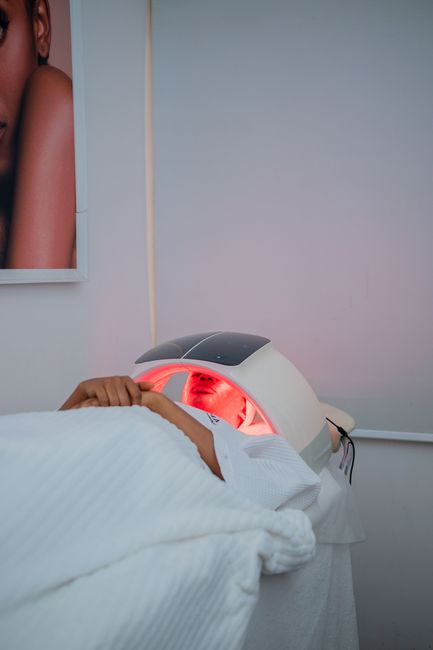
Red Light Therapy, also known as low-level light therapy (LLLT) or photobiomodulation (PBM), involves exposing the body to specific wavelengths of red and near-infrared light. This light is absorbed by the cells, triggering various metabolic processes that support healing and regeneration.
The concept of using light for therapeutic purposes dates back to ancient times, but modern RLT gained scientific interest with NASA’s research in the 1990s. They explored using LED lights to promote plant growth in space and aid in wound healing for astronauts, paving the way for its current applications.
Today, RLT is rapidly gaining traction in wellness and beauty sectors as a non-pharmacological and non-invasive treatment. Its potential to combat signs of aging and address hair restoration concerns makes it a popular choice for at-home and professional use.
2. The Science Behind Red Light Therapy
Cellular Mechanisms: How Red Light Interacts with Cells
The primary mechanism of RLT lies in its interaction with the mitochondria, often called the “powerhouses” of our cells. Red and near-infrared light penetrate the skin and are absorbed by chromophores, particularly cytochrome c oxidase within the mitochondria.
This absorption enhances mitochondrial activity, leading to increased production of adenosine triphosphate (ATP), the main energy currency of the cell. Higher ATP levels empower cells to function more efficiently, repair damage, and regenerate tissues, which is crucial for skin and hair health.
Key Wavelengths: Understanding Red and Near-Infrared Light
RLT typically utilizes wavelengths in the red spectrum (around 630-700 nanometers) and near-infrared (NIR) spectrum (around 700-1000 nanometers). Red light is more readily absorbed by the skin’s surface layers, making it ideal for treating superficial skin concerns.
Near-infrared light penetrates deeper into the tissues, reaching muscles, bones, and even hair follicles and deeper skin layers. The combined use of these wavelengths often provides a more comprehensive therapeutic effect by addressing both surface and deeper cellular processes.
Safety Profile: Potential Side Effects and Contraindications
Red Light Therapy is generally considered safe, non-invasive, and well-tolerated with minimal reported side effects. Most individuals experience no adverse reactions, with occasional mild redness or warmth in the treated area being the most common.
However, it’s always advisable to consult a healthcare professional before starting any new therapy, especially for individuals with specific medical conditions. Those who are pregnant, have epilepsy, or are taking photosensitizing medications should exercise caution or avoid RLT.
3. Red Light Therapy for Skin Aging and Rejuvenation
Reducing Wrinkles and Fine Lines
Boosting Collagen and Elastin Production
One of the most celebrated benefits of RLT for skin is its ability to boost the production of collagen and elastin. These proteins are vital for maintaining skin structure, elasticity, and firmness, and their decline contributes to the formation of wrinkles.
By stimulating fibroblasts, the cells responsible for producing collagen and elastin, RLT helps to replenish these essential components. Research consistently suggests that regular RLT treatments can lead to a noticeable reduction in the appearance of fine lines and wrinkles.
Improving Skin Firmness and Elasticity
Beyond reducing wrinkles, increased collagen and elastin levels also contribute to enhanced skin firmness and elasticity. This helps the skin regain a more youthful bounce and resilience.
Over time, consistent RLT use can improve the overall structural integrity of the skin, counteracting the sagging and loss of firmness associated with aging. This leads to a more toned and lifted appearance without invasive procedures.
Enhancing Skin Tone and Texture
Minimizing Hyperpigmentation and Sun Damage
RLT has shown promise in improving various aspects of skin tone and texture, including the reduction of hyperpigmentation. It can help fade sun spots, age spots, and other forms of discoloration by promoting cellular turnover and reducing melanin overproduction.
By encouraging healthy cell regeneration, RLT supports the replacement of damaged skin cells with new, unblemished ones. This contributes to a more even and radiant complexion, diminishing the visible signs of sun damage.
Reducing Pore Size and Promoting an Even Complexion
The regenerative effects of RLT can also contribute to a reduction in pore size and an overall smoother skin texture. Healthier, more organized skin cells lead to tighter pores and a refined surface.
An improved cellular environment fosters a more balanced and uniform skin appearance. Users often report a more luminous and revitalized complexion after consistent RLT treatments, reflecting deeper skin health.
Addressing Specific Skin Concerns
Calming Inflammation and Acne
RLT possesses anti-inflammatory properties that can be highly beneficial for various skin conditions, including acne. It helps to calm irritated skin, reduce redness, and promote healing of blemishes.
By reducing inflammation and enhancing cellular repair, RLT can mitigate the severity of acne breakouts and improve the overall clarity of the skin. This makes it a valuable adjunct therapy for managing inflammatory skin issues.
Accelerating Wound Healing and Scar Reduction
The ability of RLT to boost cellular energy and regeneration also extends to wound healing. It can accelerate the repair process of damaged skin, reduce downtime, and minimize scar formation.
Studies indicate that RLT helps in tissue repair by increasing blood flow, stimulating collagen synthesis in the wound bed, and reducing inflammation. This makes it a potential aid for post-surgical recovery or general injury healing.
4. Red Light Therapy for Hair Growth and Health
Stimulating Hair Follicles
Increasing Blood Flow to the Scalp
One key mechanism through which RLT promotes hair growth is by enhancing blood circulation to the scalp. Improved blood flow delivers essential nutrients and oxygen directly to the hair follicles, which are crucial for their health and function.
This increased nourishment invigorates dormant follicles and creates an optimal environment for robust hair growth. A well-vascularized scalp supports stronger, healthier hair strands from root to tip.
Activating Dormant Follicles for New Growth
RLT has been observed to stimulate dormant or weakened hair follicles, encouraging them to re-enter the active growth phase. This can lead to the emergence of new hair growth, particularly in areas experiencing thinning.
By energizing the cellular machinery within the follicles, RLT helps to extend the anagen (growth) phase of the hair cycle. This process can awaken follicles that have become inactive, contributing to increased hair density.
Combating Hair Loss
Efficacy for Androgenetic Alopecia (Pattern Baldness)
RLT is particularly recognized for its efficacy in treating androgenetic alopecia, commonly known as male and female pattern baldness. Clinical observations suggest that RLT can significantly improve hair density and thickness in individuals with this condition.
While the exact mechanisms are still being fully elucidated, it is believed that RLT helps by modulating cellular pathways involved in hair follicle miniaturization. This intervention offers a non-drug alternative or complementary therapy for pattern baldness.
Addressing Other Forms of Hair Thinning
Beyond androgenetic alopecia, RLT may also offer benefits for other forms of hair thinning, though more research is always ongoing. Its general regenerative effects on scalp health can support individuals experiencing diffuse thinning or stress-related hair loss.
By improving the overall health of the scalp and follicles, RLT creates a more resilient environment for hair to thrive. This holistic approach can help mitigate various factors contributing to hair thinning.
Improving Hair Quality
Enhancing Hair Thickness and Density
Consistent application of RLT has been linked to improvements in both hair thickness and overall density. As follicles become more active and produce healthier strands, the hair appears fuller and more robust.
The enhanced cellular energy and nutrient delivery support the production of thicker hair shafts. This contributes to a noticeable increase in hair volume and a healthier scalp appearance.
Promoting Stronger, Healthier Hair Strands
Beyond quantity, RLT also positively impacts hair quality, leading to stronger, more resilient hair strands. Healthier follicles produce hair that is less prone to breakage and environmental damage.
By optimizing the follicular environment, RLT helps grow hair that is not only thicker and denser but also intrinsically healthier and more vibrant. This contributes to the overall aesthetic and tactile quality of the hair.
5. Understanding Red Light Therapy Devices and Usage
Types of RLT Devices
The market offers a wide array of RLT devices tailored for various needs and budgets. These typically fall into categories such as panels, which provide broad coverage for larger body areas like the face or scalp; helmets or caps, specifically designed for targeted scalp treatment; and handheld devices, offering portability and precision for smaller areas.
Each device type is designed with different applications in mind, from comprehensive full-body treatments to focused spot treatment. Understanding your primary concern—be it extensive anti-aging for the face or specific hair regrowth—will guide your choice.
Key Features to Consider
When selecting an RLT device, several features are crucial for effectiveness and safety. Look for devices that specify both red light (e.g., 630-660nm) and near-infrared light (e.g., 810-850nm) wavelengths, as these have the most scientific backing for skin and hair benefits.
Irradiance (power density) is another critical factor, indicating the light intensity; higher irradiance generally means shorter treatment times. Also, consider the treatment area the device covers and its overall build quality and certifications.
At-Home vs. Professional Treatments
Both at-home and professional RLT treatments offer benefits, each with distinct pros and cons. Professional treatments, often found in spas or clinics, typically use higher-powered devices, offering quicker and potentially more intensive results under expert supervision.
At-home devices provide convenience, cost-effectiveness over time, and privacy, allowing for consistent use on your schedule. While generally less powerful than clinic-grade machines, consistent use of a quality home device can still yield significant results.
Optimal Treatment Protocols: Consistency and Session Duration
For optimal results with Red Light Therapy, consistency is paramount. Most protocols recommend using RLT devices regularly, typically 3-5 times per week, rather than sporadic, intensive sessions.
Session duration usually ranges from 10 to 20 minutes per targeted area, depending on the device’s power output and the specific condition being treated. Always follow the manufacturer’s guidelines for your specific device to ensure safety and maximize effectiveness.
- Step 1: Clean Skin/Scalp: Ensure the treatment area is clean and free of lotions, oils, or hair products that might block light penetration.
- Step 2: Position Device: Place the device as directed, typically a few inches from the skin or scalp, ensuring the light covers the desired area.
- Step 3: Set Duration: Begin with shorter sessions (e.g., 10 minutes) and gradually increase as tolerated, following your device’s instructions.
- Step 4: Maintain Consistency: Stick to a regular schedule (e.g., 3-5 times per week) for several weeks to months to see noticeable improvements.
- Step 5: Monitor Progress: Take before-and-after photos or keep a journal to track changes in your skin and hair over time.
6. Conclusion: The Future of Red Light Therapy in Wellness
Recap of RLT’s Diverse Benefits for Skin and Hair
Red Light Therapy stands out as a versatile and non-invasive modality, offering a spectrum of benefits for both skin rejuvenation and hair growth. From stimulating collagen and elastin to improving skin tone, and from invigorating dormant hair follicles to combating hair loss, its potential is expansive.
RLT harnesses the power of specific light wavelengths to enhance cellular function, proving to be a valuable tool in addressing common aesthetic concerns. Its gentle approach and broad applications make it an appealing option for many seeking natural enhancements.
Setting Realistic Expectations and Importance of Consistency
While RLT offers impressive potential, it is crucial to set realistic expectations. Results are typically not immediate and require consistent, long-term use to manifest and maintain. The pace of improvement varies significantly among individuals, depending on factors like age, severity of conditions, and adherence to protocols.
Patience and unwavering consistency are the cornerstones of successful RLT treatment. Integrating it as a regular part of your wellness routine will yield the best outcomes for both skin and hair health.
Ongoing Research and Emerging Applications of RLT
The field of Red Light Therapy is continually evolving, with ongoing research uncovering even more diverse applications and refining existing protocols. Scientists are exploring its potential in areas such as pain management, neurological conditions, and even athletic performance enhancement.
As our understanding of photobiomodulation deepens, RLT is poised to play an even more significant role in holistic wellness and therapeutic interventions. Its future holds promising advancements that could further revolutionize non-invasive health solutions.