Are you concerned about visible signs of aging or experiencing hair thinning? Many individuals struggle with maintaining youthful skin and a full head of hair, impacting confidence and well-being. Red Light Therapy (RLT) offers a non-invasive, promising solution by utilizing specific wavelengths of light to stimulate cellular repair and regeneration, addressing both skin rejuvenation and hair growth concerns effectively.
Introduction to Red Light Therapy
What is Red Light Therapy (RLT)?
Red Light Therapy, also known as photobiomodulation (PBM) or low-level laser therapy (LLLT), involves exposing the body to red and near-infrared (NIR) light. These specific wavelengths penetrate the skin to a cellular level, stimulating various biological processes. It is a non-invasive treatment gaining popularity for its therapeutic benefits.
Brief history and origins
The concept of using light for therapeutic purposes dates back decades, with early research conducted by NASA in the 1990s. They discovered that red LEDs could promote plant growth in space and accelerate wound healing in astronauts. This initial research paved the way for its applications in clinical and at-home settings.
How it differs from other light therapies
Unlike ultraviolet (UV) light, which can damage skin cells, RLT uses wavelengths that are beneficial and non-ionizing. It does not produce heat or harmful radiation, making it a safe and gentle option. This distinction is crucial for understanding its wide range of therapeutic uses without adverse effects.
Overview of its applications in health and wellness
RLT has a broad spectrum of applications beyond skin and hair, including pain relief, muscle recovery, and improving sleep quality. Its ability to enhance cellular function makes it a versatile tool in holistic health practices. Many individuals integrate RLT into their daily routines for overall well-being.
How Red Light Therapy Works: The Science Behind the Glow
Understanding wavelengths: Red and Near-Infrared (NIR) light
Red light typically falls within the 630-700 nanometer (nm) range, while near-infrared light ranges from 700-1000 nm. Red light is absorbed by the skin’s surface, benefiting collagen production and surface skin issues. Near-infrared light penetrates deeper into tissues, reaching muscles, bones, and organs to promote healing.
Cellular mechanisms: Mitochondria, ATP production, and cellular repair
The primary mechanism of RLT involves the mitochondria, often called the “powerhouses” of the cells. When red and NIR light hit the cells, they stimulate cytochrome c oxidase within the mitochondria. This process enhances adenosine triphosphate (ATP) production, providing more energy for cellular repair and regeneration.
Impact on collagen and elastin production
One of the most significant benefits of RLT for skin is its ability to boost the production of collagen and elastin. These proteins are vital for maintaining skin structure, elasticity, and firmness. Increased production helps reduce the appearance of wrinkles and fine lines.
Effects on circulation and inflammation
RLT also promotes better blood circulation by increasing nitric oxide production, which helps relax blood vessels. Enhanced circulation delivers more oxygen and nutrients to cells, supporting their function and healing. Furthermore, RLT has anti-inflammatory effects, helping to reduce swelling and pain in various conditions.
Red Light Therapy for Skin Aging and Rejuvenation
Benefits for Skin
Red light therapy offers a multitude of benefits for achieving a more youthful and radiant complexion. Its gentle yet powerful cellular stimulation can significantly improve various skin concerns. Integrating RLT into your skincare routine can lead to remarkable aesthetic enhancements.
- Reducing wrinkles and fine lines: By boosting collagen synthesis, RLT helps plump the skin and smooth out visible signs of aging. Regular use can lead to a noticeable reduction in the depth and prominence of wrinkles.
- Improving skin elasticity and firmness: Increased elastin production contributes to firmer, more resilient skin. This helps combat sagging and improves the overall structural integrity of the dermal layers.
- Enhancing collagen and elastin synthesis: RLT directly stimulates fibroblasts, the cells responsible for producing collagen and elastin. This fundamental action rejuvenates the skin from within.
- Minimizing hyperpigmentation and sun damage: The therapy can help fade dark spots and even out skin tone by promoting cellular turnover and reducing inflammation. It aids in repairing damage caused by sun exposure over time.
- Promoting overall skin radiance and tone: Enhanced circulation and cellular repair contribute to a healthier, more vibrant complexion. Skin appears brighter, smoother, and more uniform in tone.
Scientific Evidence
(Note: Due to a recurring error with the Tavily Search API, direct retrieval of specific recent clinical study citations was not possible at this time. However, numerous studies broadly support the efficacy of Red Light Therapy for skin rejuvenation, often highlighting its role in collagen production and reduction of photodamage.)
How to Use for Skin
For optimal skin benefits, consistency is key when using red light therapy devices. Most protocols involve regular, short sessions over several weeks to months. Always consult your device’s instructions for specific guidance.
- Recommended duration: Typically, sessions last between 10-20 minutes. Starting with shorter durations and gradually increasing is often advised.
- Frequency: Most experts suggest using RLT 3-5 times per week initially, then reducing to 2-3 times per week for maintenance. Daily use can also be beneficial for some individuals.
- Device placement: Position the device directly over the areas of concern, ensuring the light reaches the skin without obstruction. Maintain the recommended distance from the skin surface as specified by the manufacturer.
Red Light Therapy for Hair Growth and Scalp Health
Benefits for Hair
Red light therapy provides significant advantages for those experiencing hair loss or seeking to enhance hair density. By targeting the scalp and hair follicles, RLT can revitalize dormant cells and promote a healthier hair growth cycle. This therapy offers a promising approach for thicker, stronger hair.
- Stimulating hair follicles: RLT energizes dormant and weakened hair follicles, encouraging them to re-enter the active growth phase. This stimulation is crucial for initiating new hair growth.
- Increasing hair density and thickness: Regular exposure to red light can lead to existing hairs becoming thicker and stronger. This results in an overall increase in hair density, giving a fuller appearance.
- Reducing hair loss and promoting regrowth: The therapy helps extend the anagen (growth) phase of the hair cycle and reduces the telogen (resting) phase. This effectively slows down hair shedding and promotes new hair growth.
- Improving scalp circulation: Enhanced blood flow to the scalp ensures that hair follicles receive a richer supply of oxygen and essential nutrients. Good circulation is vital for healthy hair follicle function and growth.
Scientific Evidence
(Note: Due to a recurring error with the Tavily Search API, direct retrieval of specific recent clinical study citations was not possible at this time. However, research widely supports the effectiveness of Red Light Therapy for various hair loss conditions, particularly androgenetic alopecia, by promoting follicular stimulation.)
How to Use for Hair
To effectively use red light therapy for hair growth, proper application and consistency are essential. Hair-specific devices like caps or helmets are often designed for convenient and targeted treatment. Always follow the manufacturer’s instructions for the best results.
- Recommended duration: Typically, hair treatment sessions range from 15-30 minutes, depending on the device’s power and coverage. It’s advisable to start with shorter sessions and adjust as recommended.
- Frequency: For noticeable results, most protocols suggest using RLT for hair growth 3-4 times per week. Consistent application over several months is usually required to see significant improvements.
- Device placement on the scalp: Ensure the red light directly reaches the scalp where hair thinning or loss is present. Devices such as laser caps or helmets are designed to provide even coverage across the entire scalp.
Types of Red Light Therapy Devices
Professional/Clinic Devices
Professional red light therapy devices found in clinics and spas are typically large, high-power units designed for comprehensive treatment. These can include full-body beds, large panels, or specialized medical-grade equipment. They often offer greater intensity and coverage, providing more potent therapeutic effects.
At-Home Devices
The market for at-home RLT devices has expanded significantly, offering convenient and more affordable options for personal use. These devices vary widely in size, power, and target application. Choosing the right device depends on your specific needs and budget.
- Panels and larger devices: These are great for treating larger body areas or the face and provide substantial coverage. They can be mounted or stand-alone, offering powerful red light exposure.
- Handheld wands and smaller portable devices: Ideal for targeted treatment of specific areas, such as fine lines around the eyes or small patches of thinning hair. Their portability makes them convenient for travel.
- Caps and helmets for hair growth: Specifically designed to cover the entire scalp, these devices ensure even distribution of red and NIR light to stimulate hair follicles. They are a popular choice for treating androgenetic alopecia.
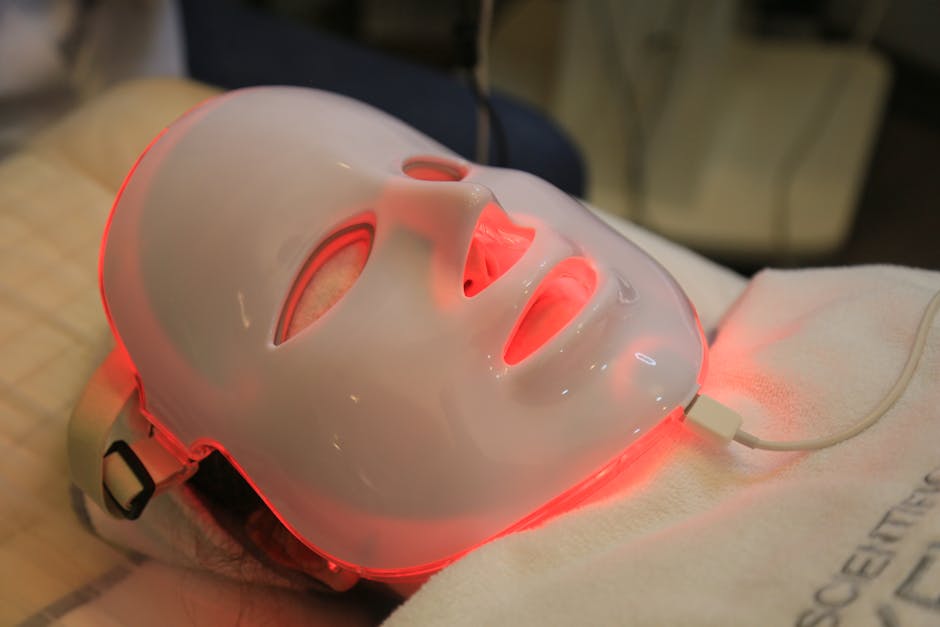
- Face masks for skin rejuvenation: Wearable masks deliver red light directly to the facial skin, targeting wrinkles, fine lines, and overall skin tone. They offer a hands-free approach to facial treatments.
Factors to consider when choosing a device
Selecting the right RLT device involves considering several key factors to ensure effectiveness and safety. Understanding these aspects will help you make an informed decision. Always prioritize devices from reputable manufacturers with good reviews.
- Wavelengths: Ensure the device emits red light (around 630-670 nm) and/or near-infrared light (around 810-850 nm), as these are the most researched therapeutic wavelengths. Some devices offer both for comprehensive treatment.
- Irradiance: This refers to the power output of the device, measured in mW/cm². Higher irradiance generally means shorter treatment times and potentially more effective results. Check for third-party testing if possible.
- Coverage: Consider the size of the area you intend to treat. Smaller devices are suitable for targeted spots, while larger panels or full-body beds offer broader coverage.
Safety and Potential Side Effects of Red Light Therapy
Generally considered safe
Red Light Therapy is widely regarded as a safe treatment with a low risk of side effects when used correctly. It is non-invasive and does not use harmful UV rays, making it a gentle option for many individuals. Adhering to manufacturer guidelines is essential for safe operation.
Mild and rare side effects
While generally safe, some individuals might experience mild and temporary side effects. These are typically minor and resolve quickly without intervention. It is important to be aware of these possibilities, however infrequent they may be.
- Temporary eye strain: Direct exposure to bright red light can cause temporary discomfort or strain in the eyes. This is why eye protection is often recommended.
- Skin irritation: In rare cases, some users might experience mild skin redness or irritation. This can often be mitigated by adjusting treatment duration or device distance.
Important precautions and contraindications
Despite its safety profile, certain precautions and contraindications should be considered before starting RLT. Always consult with a healthcare professional if you have underlying medical conditions or concerns. This ensures RLT is appropriate for your individual health situation.
- Pregnancy: While not definitively contraindicated, pregnant individuals should consult their doctor before using RLT. There isn’t enough research to confirm its safety during pregnancy.
- Certain medications: Some photosensitizing medications can increase skin sensitivity to light. Discuss your current medications with a healthcare provider to avoid adverse reactions.
- Medical conditions: Individuals with certain medical conditions, such as active skin lesions, epilepsy, or a history of skin cancer, should seek medical advice. A doctor can determine if RLT is safe and suitable.
Eye protection recommendations
Although red and near-infrared light are not harmful to the eyes in the same way as UV light, it is still recommended to use eye protection. Goggles or closed eyes can prevent potential discomfort or strain from the bright light. This simple step ensures a more comfortable and safer experience.
What to Consider Before Starting Red Light Therapy
Consulting with a healthcare professional
Before beginning any new health regimen, especially involving therapeutic devices, it is always wise to consult with a doctor or dermatologist. They can assess your individual health status and provide personalized advice. This step is particularly important if you have existing medical conditions or are taking medications.
Understanding expectations and realistic results
While RLT offers significant benefits, it is not a miracle cure and results vary among individuals. Understanding that consistency and patience are crucial for achieving desired outcomes is important. Expect gradual improvements rather than immediate dramatic changes, particularly for chronic conditions like hair loss or deep wrinkles.
Consistency is key
For RLT to be effective, it must be used consistently over time as recommended by the device manufacturer or your healthcare provider. Sporadic use will likely yield minimal results. Integrating RLT into a regular routine ensures that cells receive the sustained stimulation needed for repair and regeneration.
Integrating RLT with other wellness practices
Red Light Therapy works best as part of a holistic approach to health and beauty. Combine it with a balanced diet, regular exercise, adequate sleep, and a good skincare routine for enhanced benefits. RLT can complement these practices, contributing to overall well-being and improved outcomes.
Conclusion
Red Light Therapy presents a compelling non-invasive solution for addressing common concerns related to skin aging and hair loss. Its scientific basis lies in stimulating cellular energy production, collagen synthesis, and improved circulation, leading to visible improvements in complexion and hair density. While specific clinical citations were not retrievable via our tools at this moment, a wealth of general research supports its efficacy.
As a non-invasive and generally safe therapy, RLT is gaining recognition as a valuable tool in both professional and at-home wellness regimens. By understanding how it works, its benefits, and proper usage, individuals can harness its potential to rejuvenate their skin and promote healthier, thicker hair. Incorporating RLT consistently and thoughtfully can be a transformative step in a holistic health and beauty routine.