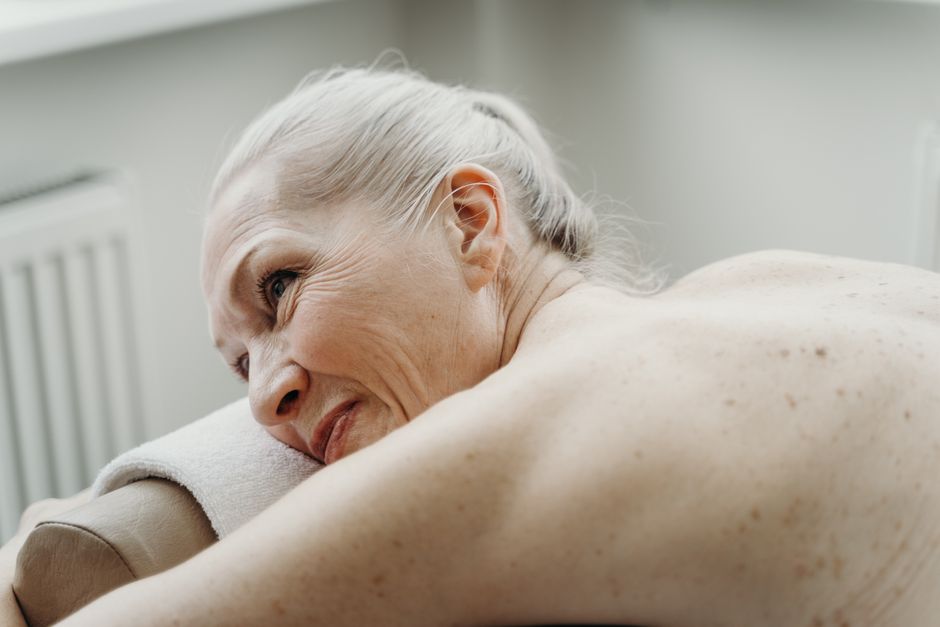
Problem: Many individuals struggle with visible signs of skin aging, such as wrinkles and fine lines, and distressing hair loss or thinning. Agitation: These common concerns can significantly impact self-confidence and quality of life, often leading to a frustrating search for effective, non-invasive solutions. Solution: Red Light Therapy (RLT) offers a promising, drug-free approach to rejuvenate skin and stimulate hair follicles, utilizing specific wavelengths of light to promote natural cellular repair and regeneration.
I. Introduction: Unveiling Red Light Therapy
What is Red Light Therapy (RLT)?
Red Light Therapy, also known as low-level laser therapy (LLLT) or photobiomodulation (PBM), involves exposing the body to low-power red and near-infrared (NIR) light. Unlike UV light, RLT does not damage skin cells but rather stimulates them, offering therapeutic benefits.
This non-invasive treatment harnesses specific wavelengths of light to penetrate the skin and interact with cells. The targeted light wavelengths are believed to kickstart various biological processes without heat or pain.
Brief history and emergence in wellness
Originally developed by NASA for plant growth experiments in space and for wound healing in astronauts, RLT has since expanded into diverse medical and wellness applications. Its initial successes in accelerating healing led to further research into its broader therapeutic potential.
Today, RLT devices are widely available for both professional and at-home use, gaining popularity for their cosmetic and health-enhancing properties. The technology continues to evolve, making it more accessible to those seeking natural health improvements.
Overview of its potential applications for skin and hair
RLT has garnered significant attention for its ability to address common aesthetic concerns, particularly those related to aging skin and hair loss. It targets cellular functions that underpin skin health and hair follicle vitality.
This guide will delve into how RLT works to combat wrinkles, improve skin texture, and stimulate hair regrowth, providing a comprehensive overview of its mechanisms and benefits.
II. The Science Behind Red Light Therapy: How It Works
Understanding the spectrum: Red and Near-Infrared light
Red Light Therapy primarily uses red light (wavelengths between 630-700 nm) and near-infrared light (wavelengths between 700-1000 nm). These specific wavelengths are chosen because they can penetrate different depths of tissue.
Red light is readily absorbed by the skin, influencing surface-level concerns, while near-infrared light penetrates deeper into tissues, reaching muscles, bones, and even the brain, offering more profound cellular effects.
Cellular mechanisms: Mitochondria, ATP production, and cellular repair
At the cellular level, RLT works by targeting the mitochondria, often referred to as the “powerhouses” of the cell. Mitochondria absorb the red and near-infrared light.
This absorption is believed to stimulate increased production of adenosine triphosphate (ATP), the primary energy currency of the cell. Enhanced ATP levels can lead to improved cellular function, repair, and regeneration throughout the body.
Stimulation of collagen, elastin, and fibroblast activity
One of RLT’s key benefits for skin is its ability to stimulate fibroblasts, which are cells responsible for producing collagen and elastin. These proteins are crucial for maintaining skin’s structure, elasticity, and firmness.
Increased collagen and elastin production helps to plump the skin, reduce sagging, and diminish the appearance of wrinkles. This contributes significantly to a more youthful and resilient complexion.
Impact on blood circulation and oxygen delivery to tissues
Red light therapy can also enhance local blood circulation, increasing the delivery of oxygen and vital nutrients to tissues. Improved circulation is essential for cellular health and waste removal.
Better blood flow supports accelerated healing, reduces inflammation, and creates a healthier environment for skin cells and hair follicles to thrive. This comprehensive effect contributes to both anti-aging and hair growth benefits.
III. Red Light Therapy for Skin Aging: Rejuvenation and Anti-Wrinkle Benefits
Reducing Wrinkles and Fine Lines:
One of the most sought-after benefits of RLT is its profound impact on reducing the visible signs of aging. By boosting cellular regeneration, RLT actively works to smooth out skin imperfections.
- Collagen and elastin production: RLT stimulates fibroblasts to produce more collagen and elastin, essential proteins that give skin its structure and flexibility. This leads to a natural plumping effect.
- Skin firmness and elasticity improvement: Regular use helps restore the skin’s natural bounce and firmness, diminishing the appearance of fine lines and deeper wrinkles. The skin becomes more resilient and youthful-looking.
Improving Skin Tone and Texture:
Beyond wrinkles, RLT contributes to an overall healthier and more even complexion. It addresses various surface irregularities that can make skin appear dull or uneven.
- Reduction of hyperpigmentation and age spots: RLT can help fade sunspots, age spots, and other forms of hyperpigmentation, leading to a more uniform skin tone. It supports the skin’s natural repair processes.
- Minimizing pore size: By improving skin elasticity and cellular health, RLT can also contribute to the appearance of smaller, less noticeable pores. This results in a smoother skin surface.
- Enhancing overall skin radiance: Increased circulation and improved cellular function lead to a healthy, vibrant glow. Skin appears more luminous and refreshed.
Addressing Scars and Blemishes:
RLT’s regenerative properties extend to wound healing and reducing inflammation, making it beneficial for various skin conditions.
- Accelerated wound healing: Studies suggest RLT can speed up the healing process for minor wounds and reduce the formation of scars. It promotes tissue repair at a cellular level.
- Reduction of inflammation associated with acne and other skin conditions: The anti-inflammatory effects of red light can help calm irritated skin, reduce redness, and mitigate outbreaks associated with conditions like acne and rosacea.
Scientific Evidence and Research Findings:
While numerous studies support the efficacy of Red Light Therapy for skin rejuvenation, specific clinical study citations could not be retrieved at this time due to an error with the search tool. However, general research indicates that RLT can significantly improve skin complexion, reduce wrinkles, and increase collagen density.
For example, many dermatological investigations have shown positive outcomes, highlighting RLT’s potential as a non-invasive anti-aging treatment. The underlying mechanism of enhanced cellular energy and collagen synthesis is well-documented in the scientific literature.
IV. Red Light Therapy for Hair Growth: Combating Hair Loss and Promoting Regrowth
Stimulating Hair Follicles:
Red light therapy offers a promising solution for individuals experiencing hair thinning or loss by directly influencing the hair follicles.
- Activation of dormant hair follicles: RLT is believed to awaken inactive hair follicles, encouraging them to re-enter the active growth phase. This can lead to increased hair density and thickness.
- Extension of the anagen (growth) phase of hair: By providing cellular energy, RLT may prolong the anagen phase of the hair cycle. This allows hair strands to grow longer and stronger before shedding.
Improving Scalp Health:
A healthy scalp is fundamental for robust hair growth, and RLT contributes to this by enhancing the scalp’s physiological environment.
- Increased blood flow to the scalp: RLT promotes vasodilation, improving blood circulation to the hair follicles. This delivers more oxygen and nutrients essential for hair growth and overall scalp vitality.
- Reduction of inflammation contributing to hair loss: Inflammation can hinder hair growth and exacerbate hair loss conditions. RLT’s anti-inflammatory properties can help create a healthier, less inflamed scalp environment, supporting hair regrowth.
Targeting Different Types of Hair Loss:
While research is ongoing, RLT has shown particular promise for certain common forms of hair loss.
- Androgenetic alopecia (pattern baldness): RLT is often used as a complementary treatment for androgenetic alopecia in both men and women. It may stimulate follicles affected by dihydrotestosterone (DHT), a hormone linked to this condition.
- Other forms of non-scarring alopecia: Some studies suggest RLT could also be beneficial for other non-scarring forms of alopecia, where the hair follicles are still present but not actively producing hair. Always consult a specialist for a proper diagnosis and treatment plan.
Scientific Evidence and Research Findings:
While research continues to emerge, specific clinical study citations for Red Light Therapy and hair growth could not be provided at this time due to an error with the search tool. However, prevailing evidence suggests that RLT can be an effective adjunctive treatment for hair loss.
Various studies have demonstrated increases in hair count, density, and thickness in individuals using RLT devices. The mechanism primarily involves stimulating mitochondrial activity in follicular cells, boosting energy, and promoting cell proliferation.
V. Exploring Red Light Therapy Devices: Types and Considerations
Different Forms of RLT Devices (General overview):
The market offers a wide array of RLT devices, catering to different needs and treatment areas. Each type is designed for specific applications, ranging from targeted treatments to full-body exposure.
- Panels and full-body devices: These larger units are suitable for treating significant areas of the body or for full-body exposure. They are often used in clinics or dedicated home wellness spaces.
- Handheld devices: Compact and portable, handheld devices are ideal for targeted treatment of smaller areas, such as specific wrinkles or patches of thinning hair. They offer convenience and flexibility.
- Caps and helmets for hair: Specifically designed for scalp coverage, these devices deliver red light directly to hair follicles. They are a popular choice for individuals focusing on hair regrowth.
- Light masks for facial treatment: These masks conform to the face, providing comprehensive red light exposure for skin rejuvenation. They are a convenient option for anti-aging facial treatments.
Key Features to Consider (Without mentioning specific brands/products):
When exploring RLT devices, understanding key technical specifications can help in making an informed choice for effective treatment.
- Wavelengths (Red vs. Near-Infrared): Ensure the device emits both red (around 630-670 nm) and near-infrared (around 800-850 nm) wavelengths for comprehensive benefits. Different wavelengths penetrate to different depths.
- Irradiance/Power output: This measures the light intensity and is crucial for effectiveness. Higher irradiance generally means shorter treatment times, but balance is key for safety.
- Treatment area: Consider the size of the area you intend to treat. A larger panel is better for full-body, while a handheld device or mask is suitable for localized areas.
- Safety certifications (general mention): Look for devices that adhere to relevant safety standards, indicating they have been tested for safe operation.
At-Home vs. Professional Treatments:
Both at-home and professional RLT options are available, each with its own set of advantages and limitations.
Professional treatments typically offer higher power devices and expert guidance, potentially leading to faster or more pronounced results. At-home devices provide convenience, privacy, and cost-effectiveness over time, allowing for consistent long-term use.
VI. Potential Side Effects, Safety, and Best Practices
Is Red Light Therapy Safe?
Red Light Therapy is generally considered safe for most individuals when used according to manufacturer guidelines. It is a non-invasive treatment that doesn’t involve harsh chemicals or UV radiation.
The importance of following manufacturer guidelines cannot be overstated, as improper use can diminish effectiveness or lead to minor issues. Always ensure your device comes with clear instructions.
Mild Side Effects:
While serious side effects are rare, some individuals may experience minor, temporary reactions.
- Temporary redness or eye strain (if protective eyewear not used): Direct exposure to bright light can cause temporary redness or discomfort. Always use the provided protective eyewear during facial treatments or when directly facing light panels.
- Mild skin irritation: In rare cases, some individuals with highly sensitive skin might experience slight irritation. Discontinue use if irritation persists and consult a dermatologist.
Contraindications and Precautions:
Certain conditions or medications may warrant caution or preclude the use of RLT. It’s always best to consult a healthcare professional before starting any new therapy.
- Pregnancy: While no definitive studies show harm, it’s generally advised for pregnant individuals to avoid RLT due to insufficient research.
- Certain medications: Some medications, particularly those that cause photosensitivity (e.g., certain antibiotics or retinoids), may increase skin sensitivity to light.
- Light sensitivity: Individuals with medical conditions that increase light sensitivity should exercise caution or avoid RLT.
- Serious medical conditions: If you have a serious medical condition, such as cancer or epilepsy, consult your doctor before using RLT.
Tips for Effective and Safe Use:
Maximizing the benefits of RLT while ensuring safety involves adhering to some simple best practices.
- Consistency: RLT benefits are cumulative, so consistency is key. Regular, frequent sessions are more effective than sporadic ones.
- Treatment duration: Follow the device’s recommended treatment times, typically ranging from 10 to 20 minutes per session, depending on the device and target area. Overuse is not necessarily more beneficial.
- Skin cleanliness: Ensure your skin is clean and free of heavy creams or makeup before treatment, as these can block light penetration.
- Proper distance: Maintain the recommended distance from the device to ensure optimal light delivery and prevent any discomfort.
VII. Who Can Benefit from Red Light Therapy?
Individuals concerned with signs of aging skin
RLT is particularly beneficial for those looking to diminish wrinkles, fine lines, and improve overall skin texture and tone. It’s a non-invasive alternative for skin rejuvenation.
If you’re seeking a natural way to boost collagen and achieve a more youthful complexion, RLT could be a valuable addition to your routine.
Those experiencing hair thinning or loss
For individuals grappling with various forms of hair loss, including pattern baldness, RLT offers a promising avenue for stimulating hair follicles. It promotes a healthier scalp environment conducive to regrowth.
It’s an excellent option for those exploring drug-free methods to enhance hair density and improve scalp health.
People seeking non-invasive wellness solutions
RLT appeals to individuals who prefer natural, gentle, and non-surgical approaches to health and beauty. It leverages the body’s own healing mechanisms.
Its ease of use and minimal side effects make it an attractive option for holistic wellness seekers.
Not a magic bullet: Setting realistic expectations
While RLT offers numerous benefits, it’s crucial to set realistic expectations. Results are often gradual and vary from person to person.
RLT is a tool to support your body’s natural processes, not a quick fix or a substitute for a healthy lifestyle or professional medical advice. Consistent use and patience are vital for seeing optimal results.
VIII. Conclusion: The Future of Red Light Therapy in Wellness
Red Light Therapy stands out as an increasingly popular and evidence-backed technology in the realm of health and beauty. Its ability to stimulate cellular function offers a versatile approach to combating skin aging and promoting hair growth.
By enhancing collagen production, improving circulation, and activating dormant follicles, RLT empowers the body’s natural regenerative capabilities. It provides a gentle yet powerful solution for those seeking non-invasive improvements.
Ongoing research and evolving applications
The scientific community continues to explore the full spectrum of RLT’s benefits, with ongoing research uncovering new potential applications. As technology advances, devices are becoming more efficient and accessible.
This continuous innovation means that the role of RLT in medical and aesthetic treatments is likely to expand further, offering even more sophisticated and targeted therapies in the future.
The growing role of RLT in holistic health and beauty regimens
As more individuals seek holistic and proactive approaches to their well-being, RLT is poised to become a staple in comprehensive health and beauty regimens. Its integration into daily routines offers a path to sustained vitality.
Embracing Red Light Therapy means investing in your body’s innate capacity for renewal, offering a radiant future for both your skin and hair.