Struggling to shed unwanted body fat without endless gym commutes? High-Intensity Interval Training (HIIT) offers a powerful solution, allowing you to torch calories and boost metabolism right from the comfort of your home. This comprehensive guide will equip you with effective, no-equipment HIIT workout plans to transform your body and accelerate fat loss efficiently.
Understanding HIIT and Its Fat-Burning Power
What Exactly is HIIT?
HIIT, or High-Intensity Interval Training, is a form of exercise that alternates between short bursts of intense anaerobic exercise and brief, less intense recovery periods. This training method pushes your body to its maximum capacity for short durations, followed by active rest.
The key components include intense effort, typically at 80-95% of your maximum heart rate, and strategically timed recovery periods. This unique structure allows for significant physiological adaptations even in shorter workout times.
How HIIT Accelerates Fat Loss
One of the primary mechanisms behind HIIT’s effectiveness for fat loss is the phenomenon known as EPOC (Excess Post-exercise Oxygen Consumption), often called the “afterburn effect.” After a HIIT session, your body continues to burn calories at an elevated rate for hours as it recovers and returns to its pre-exercise state.
This impact on metabolism means you’re burning fat even after your workout is complete, making it highly efficient for weight management. Beyond fat loss, HIIT also significantly improves cardiovascular health and boosts overall endurance, contributing to a fitter you.
The Advantages of At-Home HIIT for Fat Loss
Convenience and Time Efficiency
One of the biggest benefits of at-home HIIT is the unparalleled convenience it offers. You eliminate travel time to and from a gym, allowing you to fit a powerful workout into even the busiest schedules.
This flexibility means you can exercise whenever it suits you best, whether it’s first thing in the morning, during a lunch break, or late in the evening. Maximizing your time is crucial when aiming for consistent fat loss.
Minimal to No Equipment Needed
At-home HIIT workouts primarily focus on effective bodyweight exercises, requiring little to no special equipment. This makes it accessible to everyone, regardless of budget or access to gym facilities.
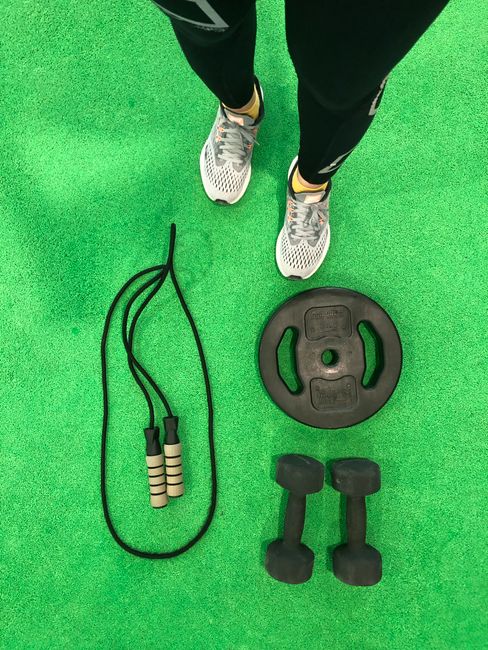
While you can certainly add inexpensive items like a yoga mat for comfort or a jump rope for variety, they are not essential. Your own body provides all the resistance needed for a challenging and effective session.
Adaptable for All Fitness Levels
HIIT is incredibly versatile and can be easily modified to suit individuals from beginners to advanced athletes. Exercises can be scaled down or up by adjusting intensity, duration, or complexity.
This adaptability allows for a clear path of progressive overload, ensuring your body continues to be challenged as your fitness improves. You can consistently push your limits without needing new equipment or a different environment.
Crafting Your At-Home HIIT Workout Plan
The Importance of Warm-Up and Cool-Down
Every effective HIIT session must begin with a proper warm-up to prepare your muscles and cardiovascular system for intense activity. Dynamic stretches like arm circles, leg swings, and torso twists are ideal for this phase.
Equally important is a cool-down period with static stretches to improve flexibility and aid in muscle recovery. Holding stretches for 20-30 seconds after your workout helps reduce muscle soreness and prevents injury.
Structuring Your HIIT Session
A typical HIIT session involves alternating between work intervals and rest intervals. Optimal work-to-rest ratios often range from 1:1 (e.g., 30 seconds work, 30 seconds rest) for beginners, progressing to 2:1 (e.g., 40 seconds work, 20 seconds rest) or even 3:1 for advanced individuals.
Determine the number of rounds based on your fitness level and the total workout duration. Aim for 4-8 exercises per circuit, repeating the circuit 3-5 times with a short break between rounds.
Frequency and Duration
For optimal fat loss results, aim to perform HIIT workouts 2-4 times per week, allowing for adequate rest days in between. Overtraining can hinder progress and increase injury risk.
Most effective HIIT sessions typically last between 20-30 minutes, including warm-up and cool-down. The intensity of these shorter workouts provides benefits comparable to longer, moderate-intensity cardio sessions.
Sample At-Home HIIT Workouts for Every Level
Here are some sample routines designed for various fitness levels, requiring no special equipment. Remember to perform a 5-minute warm-up before and a 5-minute cool-down after each workout.
Beginner-Friendly HIIT Workout (No Equipment)
This routine focuses on mastering form and building foundational endurance. Perform each exercise for 30 seconds, followed by 30 seconds of rest. Complete 3 rounds, resting 60-90 seconds between rounds.
- Jumping Jacks: A full-body cardiovascular exercise.
- High Knees: Run in place, bringing knees high towards your chest.
- Bodyweight Squats: Lower your hips as if sitting in a chair, keeping your back straight.
- Plank: Hold a straight line from head to heels, engaging your core.
Intermediate At-Home HIIT Workout
Increase your intensity and challenge with this intermediate routine. Perform each exercise for 40 seconds, followed by 20 seconds of rest. Complete 4 rounds, resting 60 seconds between rounds.
- Burpees (without push-up): A full-body movement, omitting the push-up for slightly reduced intensity.
- Mountain Climbers: In a plank position, alternate bringing knees towards your chest.
- Reverse Lunges: Step back with one leg, lowering your hips until both knees are bent at a 90-degree angle.
- Push-ups (on knees or toes): Lower your chest towards the floor, keeping your body in a straight line.
Advanced At-Home HIIT Workout
This advanced routine incorporates plyometrics for maximum calorie burn and cardiovascular challenge. Perform each exercise for 45 seconds, followed by 15 seconds of rest. Complete 5 rounds, resting 45 seconds between rounds.
- Burpees (full with push-up and jump): The complete explosive movement.
- Jump Squats: Explode upwards from a squat position.
- Plyometric Lunges (Jump Lunges): Alternate legs in a lunge position, jumping to switch.
- Sprawls (Half Burpees): Place hands on the ground, jump feet back to plank, jump feet forward, and stand up quickly.
Maximizing Your Fat Loss Journey with HIIT
Consistency is Key
The most crucial factor in achieving sustainable fat loss with HIIT is consistency. Building a regular workout habit, even if it’s just 2-3 times a week, will yield far greater results than sporadic, intense sessions.
Track your progress, whether through a journal or an app, to stay motivated and see how far you’ve come. Celebrate small victories to keep your momentum going.
The Role of Proper Nutrition
While HIIT is incredibly effective, it works best when combined with a balanced and healthy diet. Focus on whole, unprocessed foods, including lean proteins, healthy fats, and complex carbohydrates.
Ensure adequate hydration by drinking plenty of water throughout the day, and prioritize sufficient protein intake to support muscle repair and growth. Remember, nutrition fuels your workouts and recovery.
Listen to Your Body and Prioritize Recovery
High-intensity training places significant demands on your body, making recovery vital. Ensure you incorporate rest days into your weekly schedule to allow muscles to repair and grow stronger.
Adequate sleep (7-9 hours per night) is also critical for hormonal balance and overall recovery. Ignoring rest can lead to overtraining, increased injury risk, and stalled progress.
Common Mistakes to Avoid in Your At-Home HIIT Routine
- Skipping Warm-Up or Cool-Down: This can lead to injury and reduced performance.
- Sacrificing Form for Speed: Poor form reduces effectiveness and increases injury risk. Always prioritize correct technique.
- Inconsistent Schedule: Sporadic workouts won’t deliver the desired fat loss results. Stick to a plan.
- Not Pushing Hard Enough During Work Intervals: HIIT requires genuine high intensity during the work periods to be effective.
- Neglecting Nutrition and Recovery: Your diet and rest are as important as the workouts themselves for fat loss.
Conclusion
HIIT workout plans for fat loss at home offer an incredibly powerful, convenient, and efficient way to achieve your fitness goals. By consistently implementing these high-intensity routines, you can dramatically boost your metabolism, burn fat, and improve your overall health without ever needing to leave your house.
Embrace the challenge, stay consistent, and listen to your body to unlock your full potential. Start your at-home HIIT journey today and experience the transformative power of intelligent, effective exercise.