Are you struggling with persistent digestive issues, unexplained fatigue, or a weakened immune system? The problem might lie within your gut, where an imbalance in your microbiome can lead to a host of health complications. Embracing probiotic-rich foods and understanding gut health is a powerful solution to restore balance, boost immunity, and improve overall well-being.
Understanding Your Gut Microbiome
What is the Gut Microbiome?
Your gut microbiome is a complex ecosystem of trillions of microorganisms, including bacteria, fungi, viruses, and other microbes, primarily residing in your intestines. These microscopic inhabitants play a crucial role in maintaining your health, far beyond just digestion. A diverse and balanced microbiome is key to a thriving body.
Each individual’s microbiome is unique, influenced by factors like diet, lifestyle, genetics, and environment. Nurturing this internal community through proper nutrition is essential for its optimal function and your overall health.
The Importance of a Balanced Microbiome
A balanced gut microbiome is fundamental for efficient nutrient absorption and digestion. It also produces essential vitamins and compounds that our bodies cannot make on their own. Research consistently highlights its broad impact on various bodily functions.
Studies indicate a strong link between gut health and the immune system, with a healthy microbiome helping to defend against pathogens and reduce inflammation throughout the body. Furthermore, a balanced gut can influence mood, cognitive function, and even metabolism, underscoring its systemic importance.
The Power of Probiotic Foods
What are Probiotics?
Probiotics are live microorganisms, typically bacteria and yeasts, that provide health benefits when consumed in adequate amounts. They are often referred to as “good” or “friendly” bacteria because they help balance the gut’s microbial community. Incorporating them into your diet can significantly enhance your gut health.
These beneficial microbes work by competing with harmful bacteria, improving the gut barrier function, and producing substances that inhibit pathogen growth. Research has shown their effectiveness in managing various digestive ailments and supporting immune responses.
Top Probiotic-Rich Foods
Integrating a variety of probiotic-rich foods into your diet is an excellent way to support your gut health. These foods naturally contain beneficial bacteria that can help colonize your gut and promote diversity.
- Yogurt and Kefir: Fermented dairy products rich in live active cultures. Opt for plain, unsweetened varieties.
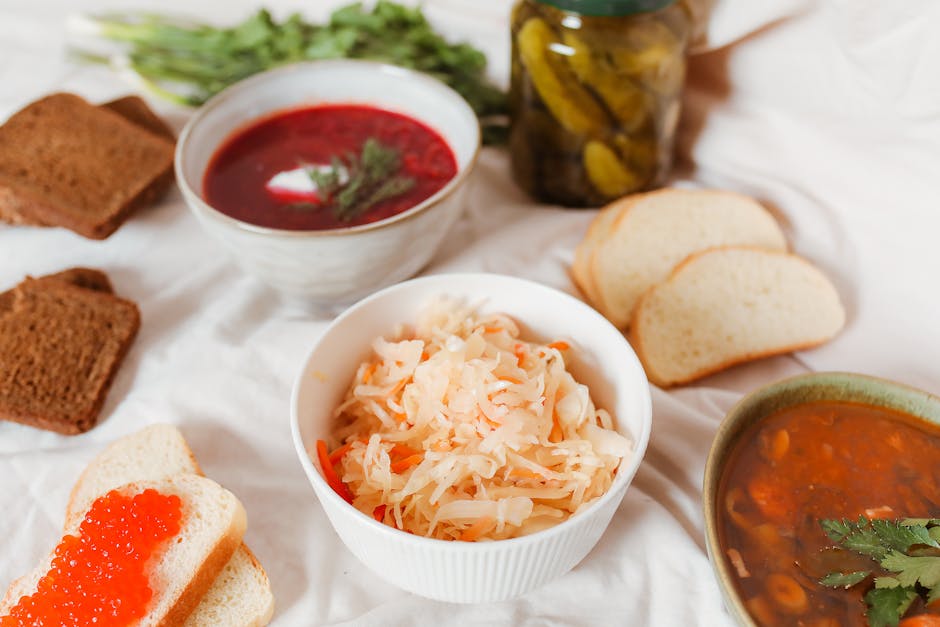
- Sauerkraut and Kimchi: Fermented cabbage dishes that offer a potent dose of probiotics. Look for unpasteurized versions.
- Miso and Tempeh: Fermented soybean products popular in Asian cuisine, excellent sources of beneficial bacteria.
- Kombucha: A fermented tea drink that contains a variety of yeast and bacteria. Choose low-sugar options.
- Pickles: Naturally fermented pickles (not those made with vinegar) can be a good source of probiotics.
Beyond Food: Probiotic Supplements
While probiotic foods are a great start, sometimes dietary intake alone isn’t enough, especially when addressing specific gut imbalances. Probiotic supplements offer a concentrated dose of beneficial strains to help restore and maintain a healthy gut flora. They can be particularly useful during periods of stress, antibiotic use, or chronic digestive issues.
👉 Get the Best Price on BioFit Probiotic Here
Actionable Steps for Optimal Gut Health
Integrating Probiotic Foods into Your Diet
Making gut-friendly foods a regular part of your meals can significantly improve your digestive and overall health. Start small and gradually increase your intake to allow your body to adjust. Consistency is key for lasting benefits.
- Daily Dose: Aim for at least one serving of a fermented food each day, such as a small bowl of yogurt or a side of sauerkraut.
- Variety is Key: Don’t stick to just one type; rotate different probiotic foods to introduce a wider range of bacterial strains to your gut.
- Mind Your Sugar: Many commercial probiotic products, like flavored yogurts and kombuchas, can be high in sugar, which can counteract their benefits. Always check labels.
- Cook Smart: Heat can kill beneficial bacteria. Enjoy fermented foods raw or add them after cooking is complete.
Lifestyle Factors for a Thriving Gut
Diet is crucial, but your gut health is also profoundly influenced by your lifestyle. Adopting healthy habits alongside dietary changes can create a more robust and resilient gut environment. These holistic approaches work synergistically to support your microbiome.
Managing stress effectively through practices like meditation or yoga can prevent its negative impact on gut bacteria. Ensuring adequate, restorative sleep allows your body to repair and maintain healthy gut function. Regular exercise also promotes a diverse microbiome and enhances gut motility, contributing to overall digestive wellness.
Conclusion
Nurturing your gut microbiome through probiotic foods and mindful lifestyle choices is a powerful investment in your health. By understanding its vital role and taking actionable steps, you can cultivate a balanced internal ecosystem. This approach can lead to improved digestion, a stronger immune system, and enhanced well-being.