Are you struggling with visible signs of aging like fine lines and wrinkles, or experiencing concerning hair thinning and loss? These common issues can significantly impact self-confidence and overall well-being. Fortunately, Red Light Therapy (RLT) offers a promising, non-invasive solution, harnessing specific wavelengths of light to naturally rejuvenate skin and stimulate hair follicles, promoting a healthier, more vibrant appearance.
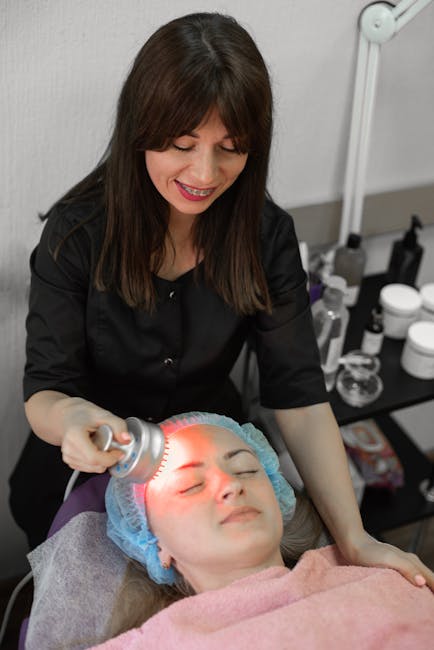
I. Introduction to Red Light Therapy
What is Red Light Therapy?
Red Light Therapy, also known as photobiomodulation (PBM), is a therapeutic technique that uses low-power red and near-infrared light to stimulate cellular function. It’s a non-invasive treatment that delivers concentrated wavelengths of natural light to your skin and cells.
This therapy is gaining widespread recognition for its wide array of potential health benefits, ranging from pain relief to enhanced cosmetic outcomes. Its gentle nature makes it a popular choice for those seeking natural wellness solutions.
Historical Context and Growing Popularity
While seemingly modern, the concept of light therapy dates back centuries, with roots in ancient practices of sun exposure for healing. Modern RLT technology evolved from NASA’s research in the 1990s, where scientists experimented with red light to grow plants in space and heal astronaut wounds.
Today, RLT has moved beyond scientific labs and into mainstream wellness, with its efficacy explored for various conditions. Its accessibility through both professional clinics and at-home devices has fueled its rapid rise in popularity.
Key Benefits for Wellness
Red Light Therapy is celebrated for its diverse therapeutic applications, impacting overall wellness positively. It is primarily recognized for its benefits related to skin health, hair growth, and muscle recovery.
Beyond cosmetic improvements, RLT also shows promise in reducing inflammation and aiding in cellular repair. These wide-ranging advantages make it a versatile tool in a holistic health regimen.
II. How Red Light Therapy Works: The Science Behind the Glow
Understanding Wavelengths: Red and Near-Infrared Light
Red Light Therapy utilizes specific wavelengths, primarily in the red (around 630-700 nanometers) and near-infrared (around 700-1100 nanometers) spectrums. These particular wavelengths are crucial because they can penetrate different depths of tissue.
Red light primarily acts on the skin surface, while near-infrared light penetrates deeper into muscles, bones, and even the brain. This allows for a broad range of therapeutic effects depending on the target tissue.
Cellular Stimulation: Mitochondria, ATP Production, and Energy Boost
At the heart of RLT’s mechanism is its interaction with the mitochondria, often called the “powerhouses” of the cell. When red and near-infrared light penetrates the body, it stimulates these cellular components.
This stimulation leads to an increase in the production of adenosine triphosphate (ATP), the primary energy currency of the cell. More ATP means cells have more energy to perform their functions, such as repair, regeneration, and growth.
Impact on Blood Flow and Circulation
Red light therapy can also improve local blood flow and circulation. By stimulating the release of nitric oxide, RLT helps to relax blood vessels, leading to increased oxygen and nutrient delivery to tissues.
Enhanced circulation is vital for healing, nutrient absorption, and the removal of waste products, further supporting cellular health and function. This improved blood supply is a key factor in many of RLT’s observed benefits.
Collagen and Elastin Production Explained
A significant benefit of RLT, especially for skin health, is its ability to boost the production of collagen and elastin. These are essential proteins that provide structure, elasticity, and firmness to the skin.
By energizing fibroblasts, the cells responsible for producing these proteins, RLT helps to rebuild the skin’s supportive matrix. This leads to a reduction in visible signs of aging and improved skin resilience.
III. Red Light Therapy for Skin Aging and Rejuvenation
Combating Fine Lines and Wrinkles
Red light therapy is a promising treatment for reducing the appearance of fine lines and wrinkles. Its ability to stimulate collagen and elastin production directly addresses the underlying causes of these age-related skin concerns.
Regular exposure to RLT can help plump the skin, making it smoother and decreasing the depth of existing lines. This natural plumping effect contributes to a more youthful complexion.
Improving Skin Tone and Texture
Beyond wrinkles, RLT can significantly enhance overall skin tone and texture. It aids in cellular turnover and repair, which can diminish the appearance of hyperpigmentation, redness, and uneven skin patches.
The result is a more uniform, radiant, and smoother skin surface. Many users report a noticeable improvement in their skin’s luminosity and a reduction in dullness.
Boosting Collagen and Elastin: The Foundation of Youthful Skin
The cornerstone of RLT’s anti-aging effects is its proven capacity to boost natural collagen and elastin synthesis. These proteins are vital for maintaining the skin’s structural integrity and elasticity.
With increased production of these fundamental components, the skin becomes firmer, more supple, and better able to resist the formation of new lines and sagging. This process helps to restore a youthful bounce to the skin.
Reducing Inflammation: Benefits for Acne and Other Skin Conditions
Red light therapy also possesses anti-inflammatory properties that can be beneficial for various skin conditions, including acne, rosacea, and eczema. It helps to calm irritated skin and reduce redness.
By modulating inflammatory pathways, RLT creates a healthier environment for skin healing and reduces breakouts. This makes it a gentle yet effective option for managing chronic skin issues.
Scientific Evidence
Clinical studies consistently support the efficacy of red light therapy for skin rejuvenation. For instance, a study published in *Photomedicine and Laser Surgery* (2014) showed that participants experienced significant improvements in fine lines, wrinkles, skin roughness, and increased intradermal collagen density after RLT treatment.
Additionally, a randomized controlled trial highlighted in *BMJ Open* (2018) investigated red and amber light-emitting diode protocols for facial rejuvenation in women aged 40-65. These findings reinforce RLT’s potential in combating various signs of skin aging.
IV. Red Light Therapy for Hair Growth and Scalp Health
Stimulating Hair Follicles: Encouraging New Growth
Red Light Therapy works by directly stimulating dormant or weakened hair follicles on the scalp. The light energy is absorbed by the cells within the follicles, increasing cellular activity and promoting the transition into the anagen (growth) phase of the hair cycle.
This stimulation can awaken follicles that have become less active, encouraging the growth of new hair strands. It offers a non-pharmacological approach to address hair thinning.
Prolonging the Anagen (Growth) Phase: Preventing Premature Hair Loss
One of the key benefits of RLT for hair is its ability to prolong the anagen phase of hair growth. This is the active growth period for hair, and by extending it, RLT helps hair strands grow longer and stronger before entering the resting or shedding phases.
By doing so, it effectively reduces premature hair loss and helps maintain overall hair density. This leads to a fuller and healthier head of hair over time.
Increasing Blood Flow to the Scalp: Nutrient Delivery for Healthier Hair
Similar to its effects on skin, RLT improves blood circulation to the scalp. Enhanced blood flow ensures that hair follicles receive a richer supply of oxygen, essential vitamins, and nutrients necessary for robust hair growth.
Improved nutrient delivery strengthens existing hair and creates an optimal environment for new hair to sprout and thrive. This vitalizes the scalp and supports overall hair health.
Addressing Hair Thinning and Androgenetic Alopecia: Potential Applications
Red light therapy has shown particular promise in addressing common forms of hair thinning, including androgenetic alopecia (pattern baldness) in both men and women. It offers a gentle alternative to traditional treatments, with minimal side effects.
The therapy’s ability to stimulate follicles and improve scalp health makes it a valuable tool in managing progressive hair loss conditions. It works to restore density and thickness to thinning areas.
Scientific Evidence
Research confirms RLT’s effectiveness in promoting hair growth. A study published in *Lasers in Surgery and Medicine* (2013) demonstrated that men with androgenetic alopecia treated with low-level laser therapy (LLLT) at 655 nm experienced a 39% increase in hair growth.
More recently, *Arch Dermatol Res* (2024) highlighted that both red and green LED therapies significantly enhanced hair growth, increasing density and thickness over six months. The red LED therapy, in particular, showed superior improvements in several measures, providing strong evidence for its use in hair regeneration.
V. Safety, Side Effects, and Considerations
Is Red Light Therapy Safe?
Red Light Therapy is generally considered safe for most individuals when used according to recommended guidelines. It is non-invasive, non-ablative, and does not use harmful UV rays, unlike tanning beds.
The low-power light sources typically used in RLT devices pose a minimal risk of burns or tissue damage. Always ensure devices meet safety standards and certifications.
Potential Mild Side Effects
While RLT is well-tolerated, some individuals might experience mild and temporary side effects. These can include transient redness or tenderness in the treated area immediately after a session.
Occasionally, some users report eye strain if appropriate eye protection isn’t used, especially with higher-intensity devices. These effects are usually short-lived and resolve quickly.
Who Should Exercise Caution or Avoid RLT?
Certain individuals should exercise caution or consult a healthcare professional before starting RLT. This includes pregnant women, individuals with a history of seizures, or those taking photosensitizing medications.
If you have skin conditions that are exacerbated by light, or if you are undergoing treatment for active cancer, medical advice is crucial before beginning RLT. Always prioritize your health and safety.
Importance of Following Device Instructions or Professional Guidance
To ensure safety and maximize effectiveness, it is paramount to follow the instructions provided with any at-home RLT device. Adhere strictly to recommended treatment times, distances, and frequency.
For professional treatments, choose certified practitioners and discuss your complete medical history. Proper usage prevents potential adverse effects and ensures you get the most out of your therapy.
VI. At-Home vs. Professional Red Light Therapy
Clinic Treatments: Advantages of Professional-Grade Devices
Professional red light therapy treatments, often administered in clinics or spas, typically use high-powered, medical-grade devices. These devices offer greater intensity and broader coverage, potentially leading to faster and more pronounced results.
The advantage of professional settings also includes expert guidance, customized treatment plans, and consistent monitoring of progress. This ensures optimal safety and efficacy tailored to individual needs.
At-Home Devices: What to Look For, Limitations, and Consistency of Use
At-home RLT devices offer convenience and flexibility, allowing for regular treatments without clinic visits. When choosing a device, look for those with specific wavelengths (630-670nm for red, 810-880nm for near-infrared), good power output, and safety certifications.
While generally less powerful than professional units, consistency is key for at-home devices to achieve noticeable results. Regular, diligent use over time can yield significant improvements, despite their lower intensity.
Factors to Consider When Choosing a Method
Deciding between at-home and professional RLT depends on several factors, including budget, desired intensity, and convenience. Professional treatments might be better for severe conditions or quicker results.
At-home devices are ideal for maintenance, mild concerns, or for those who prefer the privacy of their home. Weigh the cost, time commitment, and your specific goals to make the best choice for your lifestyle.
VII. Who Can Benefit from Red Light Therapy?
Individuals Concerned About Skin Aging
Anyone looking to naturally diminish signs of skin aging can potentially benefit from red light therapy. This includes those with fine lines, wrinkles, dull skin tone, or reduced skin elasticity.
RLT offers a gentle, non-chemical approach to promote a more youthful and radiant complexion. It’s a popular option for proactive skin maintenance and rejuvenation.
Those Experiencing Hair Thinning or Seeking to Improve Hair Density
If you are noticing hair thinning, receding hairlines, or simply wish to enhance your hair’s overall density and strength, RLT may be a suitable option. It actively stimulates hair follicles and improves scalp health.
This therapy is particularly beneficial for individuals with androgenetic alopecia or diffuse thinning. It provides a natural method to encourage fuller, healthier hair growth.
People Looking for a Non-Invasive Wellness Approach for Skin and Hair
Red Light Therapy appeals greatly to those seeking holistic and non-invasive methods for health and beauty. It avoids chemicals, injections, or surgical procedures, offering a gentler alternative.
Its natural interaction with cellular processes makes it an attractive choice for individuals committed to wellness without aggressive interventions. RLT supports the body’s innate healing and regenerative capabilities.
VIII. Conclusion: Embracing the Potential of Red Light Therapy
Recap of Key Benefits for Skin Aging and Hair Growth
Red Light Therapy stands out as a versatile and effective modality for addressing both skin aging and hair loss concerns. It works by stimulating cellular energy production, boosting collagen and elastin synthesis, and enhancing circulation.
These actions collectively lead to reduced wrinkles, improved skin tone, stimulated hair follicles, and increased hair density. RLT offers a scientifically supported path to healthier skin and hair.
The Future of RLT in Wellness and Beauty
The field of red light therapy is continually evolving, with ongoing research uncovering new applications and refining existing protocols. Its non-invasive nature and broad benefits position it as a significant player in the future of personalized wellness and beauty.
As technology advances, we can expect even more sophisticated and accessible RLT solutions. This makes it an exciting area for continuous development and personal health empowerment.
Encouragement for Further Research and Informed Decision-Making
While current evidence is highly promising, continued research will further solidify RLT’s role and optimize its applications. Always stay informed about the latest scientific findings and consult healthcare professionals for personalized advice.
Making informed decisions based on reliable information ensures you harness the full potential of red light therapy safely and effectively. Embrace this innovative technology as part of your journey towards enhanced well-being.