The growing popularity of plant-based diets often raises the crucial question of whether they can adequately supply all nine essential amino acids (EAAs) required for human health; a well-planned and varied plant-based diet can indeed easily meet these requirements through strategic food combinations and an understanding of protein complementarity. These fundamental building blocks of protein are indispensable for numerous bodily functions, ranging from muscle repair and growth to enzyme production and neurotransmitter synthesis, making their sufficient dietary intake vital for overall well-being.
Understanding Essential Amino Acids (EAAs)
Amino acids are the fundamental components that form proteins, serving as the structural and functional basis for much of our body. Of the approximately 20 different amino acids our bodies use, nine are classified as “essential” because the human body cannot synthesize them internally; therefore, they must be obtained directly through diet.
These essential nine include histidine, isoleucine, leucine, lysine, methionine, phenylalanine, threonine, tryptophan, and valine. Each plays a specific, vital role in health, supporting processes like immune function, hormone regulation, and the synthesis of tissues, underscoring why their consistent intake is non-negotiable for maintaining optimal physiological function.
The “Complete Protein” Myth and Plant-Based Realities
A prevalent misconception suggests that many plant-based proteins are “incomplete,” lacking one or more essential amino acids. However, scientific consensus confirms that all plant foods contain all essential amino acids, though some may be present in lower quantities than others, earning them the term “limiting amino acid.”
For instance, grains are often lower in lysine, while legumes tend to be lower in methionine. Several plant proteins, such as soy, quinoa, buckwheat, hemp seeds, brown rice, pea, corn, and potato protein, naturally contain all nine essential amino acids in sufficient proportions, making them nutritionally “complete” on their own.
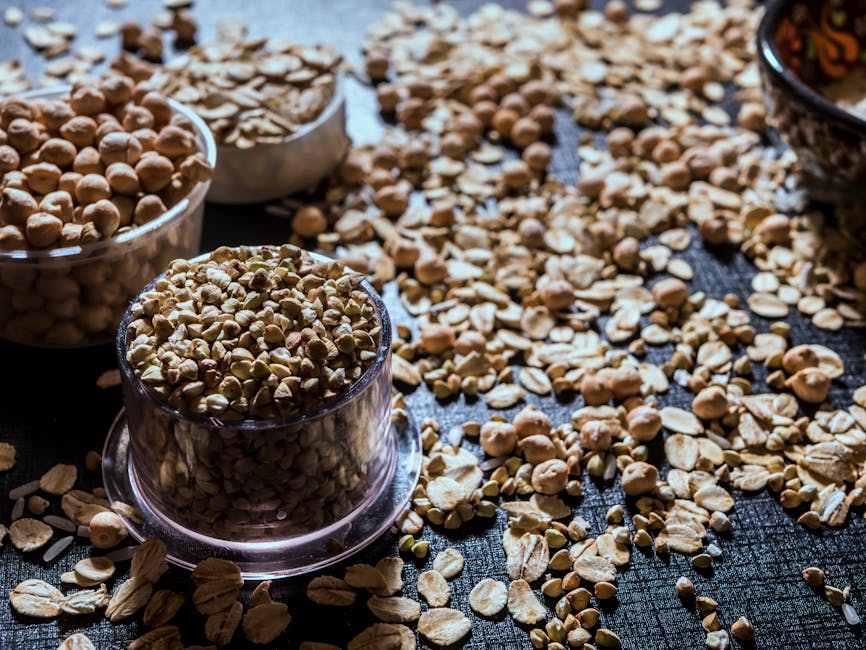
The Power of Plant Protein Combinations (Protein Complementarity)
The strategy of protein complementarity effectively addresses any potential limitations in individual plant protein sources. This involves combining different plant foods that have complementary amino acid profiles, ensuring that the deficiencies of one food are compensated by the surpluses of another within the same meal or over the course of a day.
Classic examples include combining grains with legumes, such as rice and beans, or whole wheat bread with peanut butter or hummus. Other effective pairings involve legumes with nuts or seeds. The crucial point is not necessarily that every single meal must contain all complementary proteins, but rather that a diverse intake of various plant proteins throughout the day will naturally provide all necessary essential amino acids.
Top Plant-Based Sources for Essential Amino Acids
A wide array of plant-based foods can contribute significantly to your daily essential amino acid intake. Incorporating a variety of these sources ensures a comprehensive amino acid profile.
- Legumes: Lentils, chickpeas, black beans, kidney beans, and other beans are excellent sources of lysine and leucine.
- Grains: Oats, brown rice, and wheat contribute well to methionine and tryptophan levels. Quinoa and buckwheat are notable as complete protein sources.
- Nuts & Seeds: Almonds, walnuts, chia seeds, flax seeds, and pumpkin seeds offer a broad spectrum of various essential amino acids.
- Vegetables: While containing smaller amounts, vegetables like broccoli, spinach, asparagus, and potatoes contribute to overall EAA intake, with potato protein being particularly rich in EAAs.
- Other Notable Sources: Tofu, tempeh, and edamame (all soy-based) are complete proteins. Seitan (wheat gluten) and nutritional yeast also provide valuable amino acids.
Physiological Mechanisms of Plant Proteins
The physiological effectiveness of plant proteins extends beyond their amino acid composition to include factors like digestibility and their impact on muscle protein synthesis (MPS). While some plant proteins may have lower digestibility compared to animal proteins due to fiber content or antinutrients, processing methods can improve this.
Essential amino acid content, particularly leucine, is critical for stimulating post-prandial muscle protein synthesis. Research indicates that specific plant proteins, such as soy, pea, corn, and potato protein, possess EAA profiles that can meet or even exceed the World Health Organization/Food and Agriculture Organization/United Nations University (WHO/FAO/UNU) recommendations for essential amino acids, suggesting they can robustly stimulate MPS. This demonstrates that carefully selected plant-based options can support muscle health effectively.
Practical Tips for Optimizing EAA Intake on a Plant-Based Diet
Meeting your essential amino acid needs on a plant-based diet is straightforward with thoughtful planning. The most effective strategy involves embracing dietary diversity to ensure a comprehensive intake of all necessary amino acids.
- Variety is Key: Consciously consume a wide range of different plant proteins daily, rotating through legumes, grains, nuts, seeds, and vegetables to capture various amino acid profiles.
- Prioritize Protein-Rich Plant Foods: Make legumes (beans, lentils, chickpeas), whole grains (quinoa, brown rice, oats), and soy products (tofu, tempeh) staples in your diet.
- Smart Snacking: Opt for protein-packed snacks such as hummus with whole-grain crackers, a handful of mixed nuts and seeds, or edamame.
- Meal Planning: Design meals that naturally combine complementary proteins, like a lentil and rice stew, or a stir-fry with tofu and mixed vegetables.
- Listen to Your Body: Individual protein needs can vary based on activity level, age, and health goals, so adjust your intake accordingly, especially if you are an athlete or have specific dietary requirements.
Real-World User Feedback: Practical Pros and Cons
Community discussions highlight that achieving complete protein intake on a plant-based diet is highly achievable and often simpler than perceived. Users frequently emphasize the effectiveness of combining complementary proteins, such as rice and beans or whole-grain bread with nut butter, as a foundational strategy. The general consensus points to the importance of daily dietary variety rather than meticulously ensuring every single meal is a “complete protein,” citing that a diverse intake throughout the day naturally covers all essential amino acids.
Pros: Many users report enhanced satiety, improved digestive health due to higher fiber intake, and the satisfaction of consuming a diet rich in vitamins, minerals, and antioxidants, alongside their protein. Practical routine adherence is often described as easy once familiar with suitable combinations.
Cons: Some new to plant-based eating initially find it challenging to plan meals that consciously combine different protein sources. Occasionally, individuals may experience mild gastrointestinal adjustments (e.g., increased gas) due to the higher fiber content of legumes and whole grains, though this often subsides as the body adapts.
Scientific References & Clinical Studies
- Gorissen, S.H.M., et al. (2018) Protein content and amino acid composition of commercially available plant-based protein isolates: Essential amino acid (EAA) contents are generally lower in plant-based proteins compared to animal-based, with specific plant proteins like soy, brown rice, pea, corn, and potato meeting WHO/FAO/UNU requirements.
- Gorissen, S.H.M., et al. (2021) The Anabolic Response to Plant-Based Protein Ingestion: While plant-based proteins generally have lower EAA content, certain sources like soy, brown rice, canola, pea, corn, and potato can provide sufficient EAAs for robust muscle protein synthesis, with some EAA contents comparable to animal proteins.
- Physicians Committee for Responsible Medicine (2016) New England Journal of Medicine Letter Shows Plant Protein Beats Animal Protein: All plants contain all essential amino acids, and plant-based proteins are associated with major health advantages, including reduced mortality and lower risk of chronic diseases.
- Malara, A., et al. (2024) Plant-Based Proteins, Peptides and Amino Acids in Food Products Dedicated for Sportspeople—A Narrative Review of the Literature: Most plant-based proteins may exhibit lower anabolic properties than animal-based proteins due to varying EAA deficiencies and lower digestibility, though specific plant proteins like potato and soybean have shown favorable effects on muscle strength.
Medical Disclaimer: The information provided in this article is for educational and informational purposes only and does not constitute professional medical advice, diagnosis, or treatment. Always consult a qualified healthcare provider before starting any new dietary supplement, nutrition plan, or fitness program.
Affiliate Disclosure: Some links in this article may be affiliate links. If you purchase through these links, verifiedpicks.net may earn a small commission at no additional cost to you. We only highlight products researched for scientific merit.