Struggling with visible signs of aging or thinning hair? Red Light Therapy (RLT) offers a promising, non-invasive solution by harnessing specific wavelengths of light to revitalize your cells.
This innovative treatment targets cellular mechanisms, addressing the root causes of skin aging and hair loss, leading to firmer skin, reduced wrinkles, and stimulated hair growth.
Discover how RLT can transform your wellness routine, providing a science-backed approach to enhance your natural beauty and confidence.
I. Introduction to Red Light Therapy
What is Red Light Therapy (RLT)?
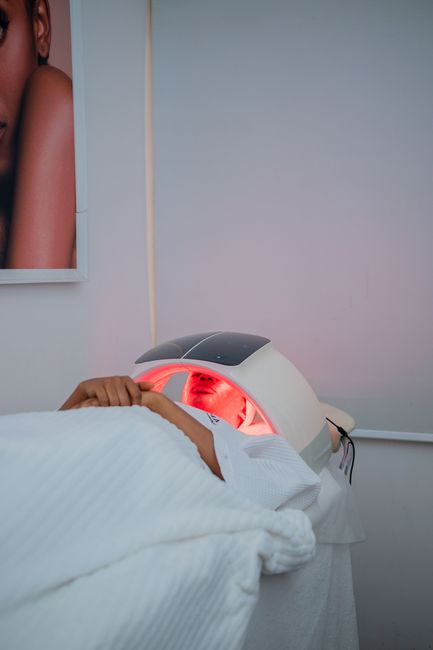
Red Light Therapy, also known as photobiomodulation (PBM), involves exposing the body to low-level red and near-infrared light wavelengths. This therapeutic light safely penetrates the skin, reaching cells without causing heat or damage.
Its primary goal is to stimulate cellular function and promote healing and regeneration across various tissues.
Brief History and Scientific Background
The concept of using light for therapeutic purposes dates back centuries, but modern RLT gained prominence through NASA’s research in the 1990s. Scientists discovered that red and near-infrared light could help grow plants in space and accelerate wound healing in astronauts.
Since then, extensive research has expanded its applications, proving its efficacy in diverse medical and aesthetic fields.
Overview of its Applications in Dermatology and Hair Care
RLT has emerged as a popular treatment in dermatology for its remarkable anti-aging and skin-healing properties. It’s also increasingly recognized for its ability to combat hair loss and promote scalp health.
Its non-invasive nature and minimal side effects make it an appealing option for those seeking natural rejuvenation.
II. How Red Light Therapy Works: The Science Behind the Glow
Mechanisms of Action:
Cellular Energy Production: How RLT stimulates mitochondria to produce ATP
At the core of RLT’s effectiveness is its interaction with the mitochondria, the “powerhouses” of our cells. Red and near-infrared light are absorbed by cytochrome c oxidase within the mitochondria.
This absorption enhances cellular respiration and significantly boosts the production of adenosine triphosphate (ATP), the primary energy currency of the cell. Increased ATP fuels various cellular processes crucial for repair and regeneration.
Improved Blood Flow and Circulation: Vasodilation effects
RLT promotes vasodilation, meaning it helps to widen blood vessels. This effect leads to improved blood flow and circulation in the treated areas.
Enhanced circulation ensures better delivery of oxygen and nutrients to cells while simultaneously aiding in the removal of waste products, which is vital for tissue health.
Anti-inflammatory Effects: Reduction of cellular inflammation
Chronic inflammation can contribute to aging and various health issues, including hair loss. Red light therapy has been shown to reduce inflammatory markers at a cellular level.
By modulating inflammatory pathways, RLT can alleviate pain and swelling, creating a more favorable environment for healing and growth.
Stimulation of Growth Factors: Role in tissue repair and regeneration
RLT also stimulates the release of various growth factors essential for tissue repair and regeneration. These growth factors signal cells to proliferate, differentiate, and synthesize new components.
This process is crucial for wound healing, collagen production, and the revitalization of hair follicles.
III. Red Light Therapy for Skin Aging and Rejuvenation
Collagen and Elastin Production:
Boosting fibroblasts for firmer, more elastic skin
Red light therapy works by activating fibroblasts, specialized cells in the skin responsible for producing collagen and elastin. These proteins are the building blocks that provide skin with its structure, firmness, and elasticity.
By boosting their activity, RLT helps to counteract the natural decline of these essential components as we age.
Reducing the appearance of fine lines and wrinkles
Increased collagen and elastin production directly translates to a smoother, more youthful complexion. A study published in the Journal of Clinical and Aesthetic Dermatology (2014) found a significant reduction in fine lines and wrinkles after consistent RLT treatment, noting improved skin texture and collagen synthesis.
Another study in Lasers in Medical Science (2016) reported that RLT could increase collagen synthesis in human skin fibroblasts by up to 400%, demonstrating its potent anti-aging potential.
Improved Skin Tone and Texture:
Minimizing pores and evening out skin complexion
Beyond wrinkles, RLT contributes to overall skin health by refining texture and tone. It can help to minimize the appearance of pores and even out skin discoloration.
The therapy supports cellular turnover, which brings fresh, healthy cells to the surface, leading to a more uniform complexion.
Enhancing overall skin radiance
With improved circulation and enhanced cellular function, the skin naturally gains a more vibrant and radiant glow. RLT helps restore the skin’s natural luminosity, making it appear healthier and more vital.
Many users report a noticeable improvement in their skin’s overall brightness and vitality after regular sessions.
Addressing Specific Skin Concerns:
Acne and scarring
The anti-inflammatory properties of red light therapy make it beneficial for managing acne. It can help reduce redness and inflammation associated with breakouts.
Additionally, by promoting cell regeneration and collagen production, RLT can aid in minimizing the appearance of acne scars over time.
Sun damage and hyperpigmentation
RLT can also be effective in mitigating the effects of sun damage, such as sunspots and hyperpigmentation. The therapy encourages the repair of damaged skin cells.
This repair process helps to fade discolored areas and restore a more even skin tone, improving the overall appearance of photodamaged skin.
Wound healing and scar reduction
Due to its ability to stimulate growth factors and increase cellular energy, red light therapy is a powerful tool for accelerating wound healing. It promotes the formation of new tissue and reduces inflammation.
This accelerated healing can lead to smaller, less noticeable scars, making it valuable for post-surgical recovery or injury repair.
IV. Red Light Therapy for Hair Growth and Scalp Health
Stimulating Hair Follicles:
Prolonging the anagen (growth) phase of hair
Red light therapy has a profound effect on hair follicles, primarily by prolonging the anagen phase, which is the active growth phase of hair. This means hair stays in its growth cycle for a longer duration, leading to increased length and density.
It works by enhancing cellular metabolism within the hair follicles, providing them with more energy to grow.
Awakening dormant follicles
Beyond extending the growth phase, RLT can also stimulate dormant or resting hair follicles. These follicles, which are no longer actively producing hair, can be re-energized by red light, prompting them to re-enter the anagen phase.
This awakening can result in the growth of new hair in areas that were previously thinning or bald.
Increasing Hair Density and Thickness:
Evidence for thicker, stronger hair strands
Consistent red light therapy treatment has been shown to improve not only hair count but also the quality of individual hair strands. The increased cellular activity and blood flow to the scalp strengthen existing hair.
This leads to hair that is noticeably thicker, more resilient, and less prone to breakage, enhancing overall hair volume.
Addressing Androgenic Alopecia (Pattern Baldness):
How RLT can be a non-invasive option for hair loss
Androgenic alopecia, commonly known as pattern baldness, is a widespread form of hair loss affecting millions. Red light therapy, particularly Low-Level Laser Therapy (LLLT), offers a non-invasive, drug-free alternative for managing this condition.
It is generally well-tolerated and can be used by both men and women experiencing hair thinning.
Mechanisms specific to genetic hair loss
RLT’s effectiveness in androgenic alopecia is linked to several mechanisms, including increased blood supply to hair follicles and stimulating the production of ATP and growth factors. A double-blind, randomized controlled trial published in Lasers in Surgery and Medicine (2013) demonstrated that LLLT at 655 nm significantly improved hair counts in males with androgenetic alopecia.
It helps counter the miniaturization of hair follicles, a hallmark of genetic hair loss, encouraging them to produce thicker, healthier hair.
Overall Scalp Health Benefits:
Reducing scalp inflammation
Inflammation on the scalp can contribute to hair loss and discomfort. Red light therapy’s anti-inflammatory properties can soothe irritated scalps.
By reducing inflammation, RLT creates a healthier environment for hair growth and can alleviate symptoms like itching and redness.
Improving nutrient delivery to hair roots
Enhanced blood circulation, a direct benefit of RLT, ensures that hair follicles receive an optimal supply of essential nutrients and oxygen. This improved delivery is crucial for robust hair growth and maintaining the overall health of the scalp.
A well-nourished scalp is the foundation for strong, healthy hair.
V. Safety and Potential Side Effects of Red Light Therapy
General safety profile of RLT
Red light therapy is widely considered safe for most individuals when used correctly. It is a non-thermal therapy, meaning it does not generate heat in a way that would damage skin tissue, unlike some other light-based treatments.
The FDA has cleared various RLT devices for different applications, attesting to their safety and efficacy.
Minimal reported side effects
Reported side effects from red light therapy are generally rare and mild. Some individuals might experience temporary redness or tenderness in the treated area, which typically subsides quickly.
Compared to more invasive treatments, RLT presents a very low risk profile, making it a popular choice for at-home use.
Important considerations (e.g., eye protection, wavelength)
While safe, it’s crucial to follow manufacturer guidelines for any RLT device. Always use appropriate eye protection, as direct exposure to bright LED light can be uncomfortable or potentially harmful to the eyes.
Additionally, understanding the specific wavelengths (typically 630-670 nm for red light and 810-880 nm for near-infrared) and irradiance of a device ensures optimal and safe treatment.
VI. Tips for Incorporating Red Light Therapy into Your Wellness Routine
Understanding different device types (panels, masks, caps, wands)
The market offers a wide array of RLT devices, each designed for specific needs. Panels are great for larger body areas, while masks and caps are tailored for facial skin and scalp/hair treatment, respectively.
Wands provide targeted treatment for smaller, specific areas. Choose a device that best suits your primary concerns and lifestyle.
Factors to consider (wavelength, irradiance, treatment duration)
When selecting a device, pay attention to its specifications. Optimal wavelengths for skin and hair typically fall within the 630-670 nm (red) and 810-880 nm (near-infrared) ranges.
Irradiance (light power output) and recommended treatment duration are crucial for effectiveness; always adhere to the device’s instructions for best results.
Consistency is key for optimal results
Like many wellness treatments, consistency is paramount for achieving noticeable results with red light therapy. Most studies suggest regular sessions, often 3-5 times per week, over several weeks or months.
Integrate RLT into your routine, perhaps while reading or watching TV, to make it a sustainable habit.
Consulting with a healthcare professional
While RLT is generally safe, it’s always wise to consult with a healthcare professional or dermatologist before starting any new treatment, especially if you have underlying health conditions or are taking medications.
They can provide personalized advice and help you determine if red light therapy is the right option for your specific needs.
VII. Conclusion
Recap of the benefits for skin aging and hair growth
Red Light Therapy stands out as a versatile and effective modality for both skin rejuvenation and hair regrowth. By stimulating cellular energy, enhancing circulation, and reducing inflammation, it provides comprehensive benefits.
From reducing wrinkles and improving skin tone to stimulating dormant hair follicles and increasing hair density, RLT offers a holistic approach to beauty and wellness.
The growing potential of RLT as a natural, non-invasive therapy
As research continues to expand, the potential of red light therapy as a natural, non-invasive treatment continues to grow. Its ability to work at a cellular level makes it a powerful tool for supporting the body’s natural healing and regenerative processes.
This makes RLT an exciting area in both dermatology and hair care, appealing to those seeking gentle yet effective solutions.
Encouragement for further research and understanding
While current evidence strongly supports RLT’s benefits, ongoing research will further refine our understanding of optimal protocols and expand its applications. Embracing RLT with informed expectations and consistent use can pave the way for remarkable improvements.
Staying updated with scientific advancements will help you make the most of this innovative therapy for a healthier, more vibrant you.