The quest for effective weight loss can be challenging, often leading individuals to seek quick fixes through dietary supplements. While many products promise rapid results, the truth about their efficacy and safety is often more complex, causing confusion and frustration for consumers. This article cuts through the marketing hype to provide a clear, science-backed understanding of weight loss supplements, helping you make informed decisions for your health and wellness journey.
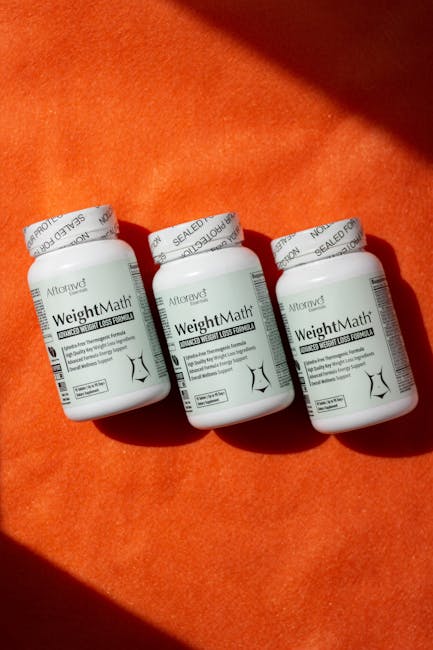
The Truth About Weight Loss Supplements: What You Need to Know Before Buying
Weight loss is a significant concern for many, fueling a multi-billion dollar supplement industry that constantly introduces new products. These supplements often appeal to our desire for faster, easier solutions to complex health challenges.
However, it’s crucial to understand that supplements are not a magic bullet. They are designed to *aid* weight loss efforts, not replace fundamental changes in diet and exercise habits. Setting realistic expectations is the first step toward a sustainable and healthy approach to weight management.
How Weight Loss Supplements Claim to Work
Weight loss supplements typically employ various mechanisms to purportedly help shed pounds. Understanding these different approaches can demystify how these products are intended to function in the body.
Appetite Suppressants
These supplements aim to reduce feelings of hunger, thereby decreasing calorie intake. They often work by increasing satiety or influencing hunger-regulating hormones.
Common ingredients in appetite suppressants include fibers that expand in the stomach or compounds that impact brain signals related to fullness. By feeling less hungry, individuals may consume fewer calories naturally throughout the day.
Fat Burners
Fat burners claim to boost metabolism and increase the body’s ability to burn fat for energy. They often contain stimulants or thermogenic compounds that elevate body temperature and energy expenditure.
The idea is to help the body utilize stored fat more efficiently, especially during exercise. However, the extent of this “burning” effect can vary significantly among individuals and products.
Carbohydrate Blockers
Carbohydrate blockers aim to prevent the digestion and absorption of dietary carbohydrates. They often contain enzymes or compounds that interfere with the breakdown of starches into sugars.
By blocking carbohydrate absorption, fewer calories from carbs are taken in, potentially contributing to weight loss. This mechanism primarily targets complex carbohydrates found in foods like pasta and bread.
Fat Blockers
Similar to carbohydrate blockers, fat blockers work by inhibiting the absorption of dietary fat. They typically contain ingredients that interfere with the enzymes responsible for breaking down fats in the digestive system.
Less absorbed fat means fewer calories are stored from dietary intake. These types of supplements can sometimes lead to uncomfortable digestive side effects.
Metabolism Boosters
Metabolism boosters aim to increase the body’s resting metabolic rate, meaning you burn more calories even at rest. Ingredients like certain vitamins, minerals, and plant extracts are often marketed for this purpose.
A higher metabolism can theoretically lead to greater overall calorie expenditure, supporting weight loss goals. However, the impact of these boosters can be subtle and may not lead to dramatic results on their own.
Common Ingredients Found in Weight Loss Supplements (and what the science says)
The effectiveness of weight loss supplements largely depends on their active ingredients and the scientific evidence supporting their claims. Here’s a look at some popular ingredients and what research indicates.
Green Tea Extract (EGCG)
Green tea extract, particularly its active compound epigallocatechin gallate (EGCG), is widely recognized for its antioxidant properties and potential role in weight management. It is often included in supplements claiming to boost metabolism and fat oxidation.
According to a 2021 systematic review, individuals taking green tea extract over 12 weeks experienced significant reductions in body mass index (BMI) and waist circumference. Another systematic review from 2017 suggested that daily doses of 100 to 460 mg of EGCG combined with 80 to 300 mg of caffeine for at least 12 weeks might lead to significant weight loss and body fat reduction. However, it’s important to note that results can vary, and more extensive research is continually underway to fully understand EGCG’s effects.
Caffeine
Caffeine is a well-known stimulant found in coffee, tea, and many weight loss supplements. It’s believed to boost metabolism, increase fat burning, and improve exercise performance.
While caffeine can temporarily increase alertness and energy expenditure, its direct long-term impact on significant weight loss is often modest. High doses can also lead to side effects like jitters and insomnia.
Garcinia Cambogia (HCA)
Garcinia Cambogia, a tropical fruit, contains hydroxycitric acid (HCA), which is promoted as an appetite suppressant and fat blocker. It’s believed to inhibit an enzyme involved in fat production.
However, studies on Garcinia Cambogia for weight loss have yielded mixed results, with some showing only minimal or no significant effect compared to placebo. Its efficacy remains a subject of debate in the scientific community.
Conjugated Linoleic Acid (CLA)
CLA is a type of fatty acid naturally found in meat and dairy products, often marketed for its ability to reduce body fat and increase lean muscle mass. It is thought to influence fat metabolism.
Research on CLA’s effectiveness for weight loss has shown inconsistent results, with some studies indicating modest reductions in body fat over long periods. More robust evidence is needed to confirm its widespread benefits.
Glucomannan (Fiber)
Glucomannan is a natural, water-soluble dietary fiber derived from the konjac plant. It’s commonly used as a dietary supplement for weight loss due to its ability to absorb large amounts of water and create a feeling of fullness.
A notable eight-week double-blind trial published in the International Journal of Obesity (1984) involving 20 obese subjects found that those taking 1-gram doses of glucomannan fiber before each of three meals daily experienced a significant mean weight loss of 5.5 pounds compared to the placebo group. The study also observed significant reductions in serum cholesterol. This effect is largely attributed to glucomannan’s ability to expand in the stomach, promoting satiety and reducing overall food intake.
Orlistat (available OTC in some forms)
Orlistat is a medication, available over-the-counter in a lower dose, that works as a fat blocker. It prevents about a quarter of the fat you eat from being absorbed by your body.
This ingredient has a more established scientific basis for weight loss compared to many other supplements. However, it can also cause significant gastrointestinal side effects, such as oily stools and urgent bowel movements.
Potential Benefits and Risks: What to Consider
While weight loss supplements offer the allure of faster results, it’s essential to weigh their potential benefits against the inherent risks. Informed decision-making requires understanding both sides.
Possible Benefits
For some individuals, weight loss supplements may offer modest benefits, such as slight reductions in body weight or improved energy levels. Certain ingredients might also help with appetite control, making it easier to stick to a calorie-restricted diet.
These benefits are often maximized when supplements are used in conjunction with a healthy diet and regular exercise routine. They are rarely effective as standalone solutions for significant and sustainable weight loss.
Potential Side Effects
The downside of weight loss supplements often includes a range of potential side effects, which can vary depending on the ingredients. Common issues include jitters, digestive problems like bloating or diarrhea, and insomnia, especially with stimulant-heavy products.
More severe risks can include increased heart rate, elevated blood pressure, and in rare cases, liver damage associated with certain ingredients or contaminated products. Always monitor your body’s reaction carefully.
Drug Interactions
Weight loss supplements can interact negatively with prescription medications, over-the-counter drugs, and even other supplements. This can either reduce the effectiveness of your medication or amplify side effects.
It is critically important to consult a healthcare professional before starting any new supplement regimen, especially if you are taking other medications or have underlying health conditions. They can assess potential interactions and advise on safety.
Regulatory Loopholes
Unlike pharmaceuticals, dietary supplements in many countries are not subject to the same rigorous testing and approval processes by regulatory bodies like the FDA. This means manufacturers are primarily responsible for ensuring their products are safe and effective before they reach the market.
This lack of strict oversight can lead to products containing undeclared ingredients, incorrect dosages, or contaminants. Therefore, consumer vigilance and thorough research are paramount when choosing supplements.
Are Weight Loss Supplements Safe and Effective?
The safety and efficacy of weight loss supplements are paramount concerns for consumers. A critical approach to evaluating these products involves looking beyond marketing claims and focusing on objective measures.
One key indicator of reliability is the presence of third-party testing and certifications. These independent evaluations verify that a product contains what its label states and is free from harmful contaminants, offering an extra layer of consumer protection.
It is also essential to remember that diet and exercise remain the primary drivers of sustainable weight loss. Supplements, at best, can only offer a marginal advantage when integrated into an already healthy lifestyle. Any product promising miraculous results without effort should be viewed with extreme skepticism.
Making an Informed Decision: What to Look For
Navigating the complex world of weight loss supplements requires a proactive and informed approach. Your health is invaluable, so making educated choices is key.
Consulting Healthcare Professionals
Before beginning any new supplement, always consult with your doctor or a registered dietitian. They can provide personalized advice based on your health history, current medications, and weight loss goals.
A professional can help identify potential risks, drug interactions, and determine if a supplement is appropriate for your specific needs. This step is crucial for preventing adverse health outcomes.
Researching Ingredients and Dosages
Take the time to thoroughly research each ingredient listed on a supplement’s label. Look for scientific studies and reputable sources to understand its purported benefits, effective dosages, and potential side effects.
Be wary of proprietary blends where individual ingredient amounts are not disclosed, as this makes it impossible to verify efficacy or safety. Transparency in labeling is a strong indicator of a trustworthy product.
Checking for Reputable Manufacturers
Opt for supplements from well-established and reputable manufacturers known for their quality control and ethical practices. Look for companies that provide batch testing results or have certifications from organizations like NSF International or USP.
These certifications indicate that the product has been voluntarily tested for purity, potency, and manufacturing quality. Avoiding brands with vague information or a history of regulatory issues is advisable.
Understanding the Difference Between Anecdotal Evidence and Scientific Proof
Distinguish clearly between personal testimonials (anecdotal evidence) and evidence backed by rigorous scientific studies. While personal stories can be compelling, they do not replace the findings of controlled clinical trials.
Scientific proof, often found in peer-reviewed journals, provides a more reliable basis for evaluating a supplement’s effectiveness and safety. Be skeptical of claims that rely solely on individual experiences or celebrity endorsements.
Conclusion: A Holistic Approach to Weight Management
Ultimately, achieving sustainable weight loss is a journey that transcends quick fixes and relies on a comprehensive strategy. While weight loss supplements might offer a minor supportive role, they are never a substitute for foundational lifestyle changes.
Focusing on a balanced diet, consistent physical activity, adequate sleep, and stress management forms the bedrock of effective weight management. Supplements should be considered only as a potential adjunct within this broader, holistic approach to wellness.