Many individuals seek natural strategies to enhance brain function and safeguard cognitive vitality as they age. Dealing with occasional forgetfulness or difficulty concentrating can be frustrating, impacting daily performance and mental sharpness. Fortunately, Lion’s Mane mushroom (*Hericium erinaceus*) offers a compelling natural solution, showing promising potential to support memory, focus, and overall brain health through its unique bioactive compounds.
Introduction: What is Lion’s Mane Mushroom?
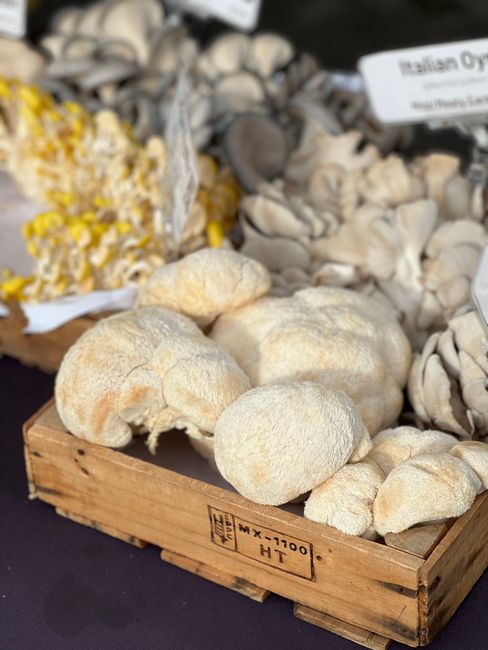
Lion’s Mane mushroom, scientifically known as *Hericium erinaceus*, is a striking edible and medicinal fungus characterized by its cascading, shaggy appearance resembling a lion’s mane. Native to North America, Europe, and Asia, it has been a staple in traditional Eastern medicine for centuries.
Traditionally revered for its restorative properties, this unique mushroom is now gaining global recognition for its wide array of potential health benefits. Modern scientific interest particularly focuses on its profound impact on cognitive function and neurological health.
The Science Behind Lion’s Mane: Key Bioactive Compounds
The cognitive-enhancing properties of Lion’s Mane are primarily attributed to two distinct classes of compounds: hericenones and erinacines. Hericenones are found in the mushroom’s fruiting body, while erinacines are predominantly present in its mycelium.
These compounds are believed to stimulate the synthesis of Nerve Growth Factor (NGF), a crucial protein that supports the growth, maintenance, and survival of nerve cells. Additionally, Lion’s Mane contains beneficial polysaccharides, which contribute to its overall health-promoting effects.
Unpacking the Cognitive Benefits of Lion’s Mane
Lion’s Mane mushroom has been investigated for various cognitive benefits, offering a holistic approach to brain health. Its unique compounds target key aspects of neurological function, potentially leading to noticeable improvements.
Memory Enhancement
Research suggests that Lion’s Mane may play a role in improving both short-term and long-term memory. By supporting neuronal health and connectivity, it could enhance the brain’s capacity for information retention and recall.
This potential impact on memory is crucial for daily tasks and learning, helping individuals maintain mental acuity. Improved neural pathways are thought to be key to these benefits.
Focus and Concentration
Many users report enhanced focus and concentration after incorporating Lion’s Mane into their routine. This could be due to its neuroprotective effects and ability to optimize neuronal signaling.
Maintaining mental clarity is essential in today’s demanding world, and Lion’s Mane may help sustain attention and reduce mental fog throughout the day.
Neurogenesis and Brain Plasticity
One of the most exciting areas of research involves Lion’s Mane’s potential to promote neurogenesis, the growth of new brain cells. This process is vital for brain plasticity, which is the brain’s ability to reorganize itself by forming new neural connections.
The mushroom’s capacity to support nerve regeneration and new cell growth highlights its potential as a powerful ally for long-term brain health and resilience.
Support for Mild Cognitive Impairment
Several studies have explored Lion’s Mane’s effects on individuals with Mild Cognitive Impairment (MCI). Findings suggest it may help improve cognitive function in this population.
While more extensive research is needed, current results offer hope for those experiencing early signs of cognitive decline, indicating a potential natural intervention.
Scientific Evidence and Research Insights
While much of the research on Lion’s Mane is still in its early stages, particularly human clinical trials, promising results have emerged. These studies lend scientific credibility to its traditional uses.
For instance, a randomized, double-blind, placebo-controlled study published in Phytotherapy Research (Mori et al., 2009) investigated the effects of Lion’s Mane on 30 Japanese patients with mild cognitive impairment. Participants who took 1,000 mg of Lion’s Mane three times a day for 16 weeks showed significantly improved scores on a cognitive function scale compared to the placebo group.
Another study in the Journal of Biomedical Science (Saitsu et al., 2019) explored cognitive function in 31 healthy adults aged 50-80. It found that 12 weeks of Lion’s Mane supplementation (3.2g per day) led to improvements in specific cognitive performance measures, although results across all tests were mixed. These findings highlight the mushroom’s potential, while also underscoring the need for larger, long-term clinical trials to confirm definitive efficacy and mechanisms.
How Lion’s Mane Works: Mechanisms of Action
The mechanisms by which Lion’s Mane exerts its cognitive benefits are multifaceted, primarily revolving around its bioactive compounds.
- Stimulation of Nerve Growth Factor (NGF): Hericenones and erinacines are well-documented for their ability to cross the blood-brain barrier and induce NGF synthesis. This stimulation is crucial for neuronal repair, growth, and overall brain health.
- Anti-inflammatory and Antioxidant Properties: Lion’s Mane contains powerful antioxidants that help combat oxidative stress in the brain, a major contributor to cognitive decline. Its anti-inflammatory effects can further protect neurons from damage.
- Potential Impact on Neurotransmitters: While research is ongoing, some studies suggest Lion’s Mane may influence neurotransmitter systems, such as dopamine and serotonin, which play vital roles in mood, focus, and memory.
Potential Side Effects and Safety Considerations
Lion’s Mane mushroom is generally considered safe for consumption, with a long history of use as both a food and medicine. Most studies report few or no significant adverse effects.
Some individuals might experience mild gastrointestinal discomfort, such as stomach upset or diarrhea, though these are typically rare and mild. If you have mushroom allergies or specific health conditions, it’s always wise to consult a healthcare professional before starting any new supplement.
Forms and General Usage (Informational)
Lion’s Mane is available in various forms, making it easy to incorporate into a wellness routine. Common options include dried mushroom powder, capsules containing extracts, and tinctures.
While there are no universally established dosages, most research-backed supplements use extracts standardized for bioactive compounds. Generally, it can be added to hot beverages, smoothies, or food. Always follow the product’s recommended serving suggestions for general health support.
Conclusion: The Future of Lion’s Mane in Cognitive Health
Lion’s Mane mushroom stands out as a compelling natural nootropic with significant potential for enhancing cognitive function. Its capacity to stimulate NGF production and its antioxidant properties offer a promising avenue for supporting memory, focus, and overall brain health.
As research continues to unfold, Lion’s Mane is poised to become an increasingly recognized and valued component in the realm of natural brain health supplements. Its traditional wisdom, coupled with emerging scientific validation, paints a bright future for this fascinating fungus.