Struggling with the visible signs of aging or experiencing frustrating hair thinning can significantly impact self-confidence. While many traditional treatments exist, they often come with invasive procedures or limited effectiveness.
Red Light Therapy (RLT) emerges as a compelling, non-invasive solution, harnessing specific wavelengths of light to stimulate natural cellular processes within the body.
This guide delves into the science behind RLT, exploring its remarkable benefits for rejuvenating your skin and fostering healthier hair growth.
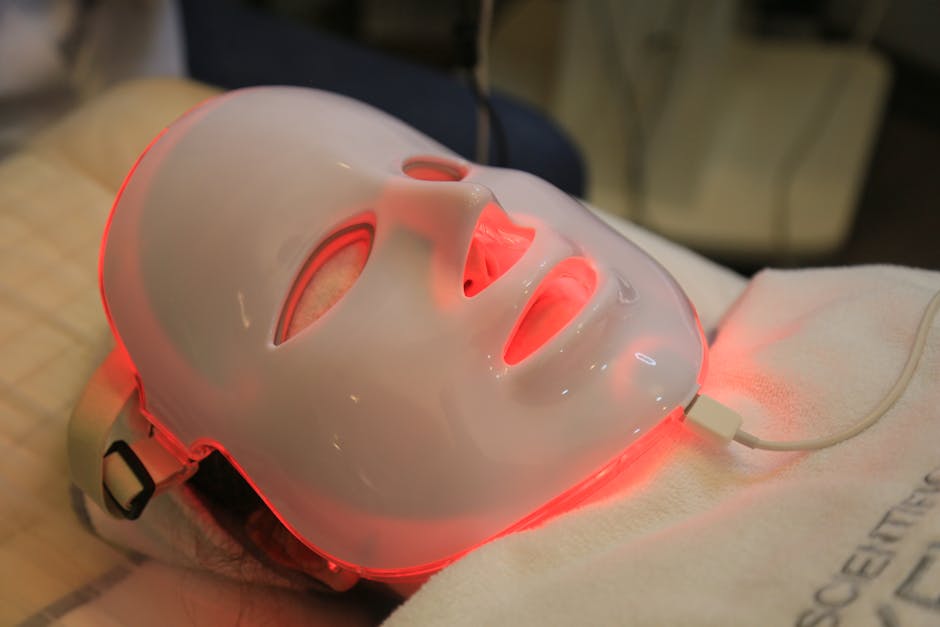
1. Introduction to Red Light Therapy
Red Light Therapy, also known as low-level laser therapy (LLLT) or photobiomodulation (PBM), involves exposing the body to red and near-infrared light. This treatment has gained immense popularity in recent years for its wide range of health and wellness applications.
Initially used in clinical settings, RLT is now widely available for at-home use, targeting concerns from muscle recovery to chronic pain, and most notably, skin rejuvenation and hair restoration.
2. How Red Light Therapy Works (The Science)
The core mechanism of Red Light Therapy lies in its ability to penetrate the skin and interact with our cells’ powerhouses: the mitochondria. Specifically, red and near-infrared light are absorbed by a mitochondrial enzyme called cytochrome c oxidase.
This absorption triggers a cascade of beneficial cellular events, including increased adenosine triphosphate (ATP) production, which is the primary energy currency of cells. Enhanced ATP production boosts cellular metabolism, promoting repair and regeneration.
Mechanism of Action
- Penetration Depth: Red light (around 600-700 nm) penetrates superficial skin layers, while near-infrared light (700-1100 nm) reaches deeper tissues, including muscles and bones.
- Mitochondrial Interaction: The absorbed light energy activates cytochrome c oxidase within mitochondria, leading to improved cellular respiration.
- Increased ATP Production: This process significantly elevates ATP levels, providing cells with more energy to perform their functions efficiently.
- Reduced Oxidative Stress: RLT helps in modulating reactive oxygen species, thereby reducing oxidative stress and inflammation at a cellular level.
- Stimulation of Blood Flow: The therapy also promotes vasodilation, increasing local blood circulation and delivering more oxygen and nutrients to treated areas.
3. Red Light Therapy for Skin Aging
Red Light Therapy offers a powerful, non-invasive approach to combating the visible signs of skin aging. By enhancing cellular function, it supports the skin’s natural ability to repair and rejuvenate itself.
Collagen and Elastin Production
RLT is highly effective in stimulating the production of collagen and elastin, two vital proteins responsible for skin elasticity, firmness, and overall youthful appearance. It activates fibroblasts, the cells that produce these structural proteins.
According to a randomized, double-blind, placebo-controlled study (Couturaud et al., 2023), participants receiving red light therapy demonstrated significant improvements, including a 32% increase in skin elasticity and a 28% reduction in fine lines, with histological analysis revealing increased collagen production and improved dermal thickness.
Reduction of Fine Lines and Wrinkles
By boosting collagen synthesis, RLT helps to plump the skin from within, effectively reducing the appearance of fine lines and wrinkles. Regular use can lead to a smoother, more youthful complexion.
Another 15-week study (Wunsch & Matuschka, 2013) found that red and near-infrared light significantly improved skin texture, firmness, and elasticity by promoting increased collagen synthesis.
Improved Skin Tone and Texture
Beyond wrinkles, RLT also works to minimize pore size and promote skin renewal and repair, leading to a more even skin tone and refined texture. It helps to diminish hyperpigmentation and overall skin imperfections.
Wound Healing and Scar Reduction
The therapy’s ability to accelerate tissue repair and reduce inflammation makes it beneficial for wound healing. It can also help to minimize the appearance of scars by promoting healthier tissue regeneration.
Anti-inflammatory Effects
RLT’s anti-inflammatory properties are valuable in managing various skin conditions, including acne and rosacea, by reducing redness and swelling. This contributes to a clearer and calmer complexion.
4. Red Light Therapy for Hair Growth
For individuals experiencing hair thinning or loss, Red Light Therapy presents a promising avenue for stimulating hair growth and improving hair density. It addresses common factors contributing to hair loss at the cellular level.
Stimulating Hair Follicles
RLT energizes dormant or weakened hair follicles, encouraging them to enter or prolong the anagen (growth) phase of the hair cycle. This process revitalizes follicles that might otherwise cease to produce hair.
Increased Blood Flow to the Scalp
The therapy enhances blood circulation in the scalp, ensuring that hair roots receive an abundant supply of essential nutrients and oxygen. This improved nourishment is crucial for healthy hair growth.
Treating Androgenetic Alopecia (AGA) and Thinning Hair
Clinical findings strongly support RLT’s effectiveness in treating androgenetic alopecia, commonly known as male or female pattern baldness. It works by counteracting the miniaturization of hair follicles.
A study published in Dermatologic Therapy (2020) demonstrated the effectiveness of a home-use LLLT device over 48 weeks. Participants with androgenetic alopecia showed a significant increase in mean hair density (from 99.2 to 124.2 hairs/cm²) and approximately a 15% increase in hair shaft thickness.
Promoting Thicker, Healthier Hair
Consistent use of Red Light Therapy can lead to thicker, stronger, and healthier hair strands over time. It helps to restore the hair’s natural growth cycle and improve its overall quality.
5. Types of Red Light Therapy
Red light therapy is accessible through various devices and professional treatments, each offering different levels of intensity and convenience. Understanding the options helps in choosing the right approach.
At-Home Devices
A wide array of at-home RLT devices are available, including panels, masks, caps, and combs. These devices offer convenience and can be integrated into a daily routine.
When selecting an at-home device, consider factors like wavelength (ideally 600-900 nm), power output, and treatment duration recommendations. While generally less powerful than clinical devices, consistent use can yield noticeable benefits.
Professional/Clinical Treatments
Professional RLT treatments offered in clinics or spas typically utilize higher-power devices and more controlled settings. These sessions can provide more intensive treatment and may be recommended for severe conditions or faster results.
A dermatologist or aesthetician can advise on the best course of professional treatment, often combining RLT with other therapies for optimal outcomes. Professional settings ensure precise wavelength delivery and appropriate safety measures.
6. Safety and Potential Side Effects
Red Light Therapy is generally considered safe when used according to manufacturer guidelines or professional advice. It is a non-invasive procedure with a low risk profile.
Minimal side effects have been reported, primarily temporary eye strain if protective eyewear is not used, or mild transient redness in the treated area. It is crucial to always use eye protection during treatments.
However, individuals with certain medical conditions, those taking photosensitizing medications, or pregnant women should consult a healthcare professional before starting RLT. Always adhere to device instructions regarding duration and frequency of use.
7. Conclusion
Red Light Therapy stands out as a scientifically backed, non-invasive method for enhancing both skin health and hair growth. Its ability to stimulate cellular energy, boost collagen production, and improve blood flow offers tangible benefits for anti-aging and hair restoration.
From reducing wrinkles to promoting thicker hair, RLT leverages natural biological processes to rejuvenate and revitalize. As research continues to uncover its full potential, Red Light Therapy remains a promising and accessible tool in the realm of health and wellness.