Imagine a natural ingredient that could sharpen your focus, boost your memory, and support overall brain health. Lion’s Mane mushroom, with its distinctive appearance and rich history in traditional medicine, is gaining significant attention for its potential cognitive-enhancing properties. This guide will delve into the scientific evidence and proposed mechanisms behind its benefits for the brain, providing a comprehensive overview.
What Exactly is Lion’s Mane Mushroom?
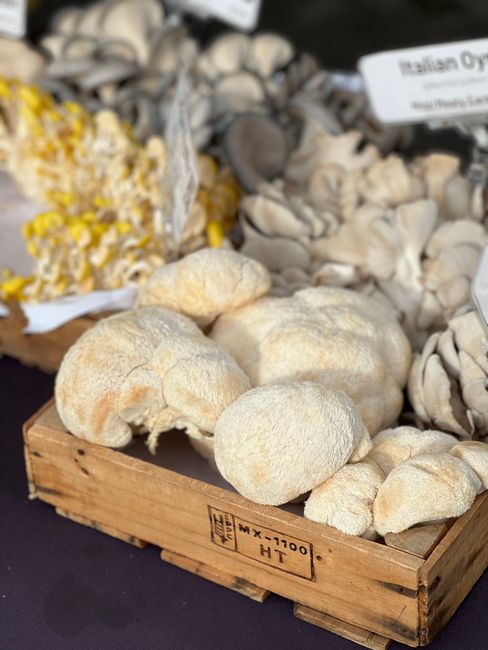
Lion’s Mane mushroom, scientifically known as Hericium erinaceus, is a striking edible and medicinal fungus. It is easily recognizable by its unique cascading white tendrils, which strikingly resemble a lion’s mane, and typically grows on hardwood trees in temperate forests.
This remarkable mushroom holds significant traditional importance, having been utilized for centuries in traditional Chinese medicine and Japanese Kampo medicine. It was historically prized for promoting overall health, vitality, and digestive well-being.
Key Bioactive Compounds
The health benefits of Lion’s Mane are attributed to its unique composition of bioactive compounds. Specifically, hericenones are primarily found in the mushroom’s fruiting body, while erinacines are more concentrated in its mycelium.
These compounds are crucial for neurological support and are believed to be the main agents responsible for the mushroom’s profound effects on brain health. Their distinct structures allow them to interact with neurological pathways in unique ways.
The Science Behind Lion’s Mane and Brain Health
Emerging research continues to uncover the intricate ways Lion’s Mane mushroom supports cognitive function. Its actions within the brain are primarily linked to its unique bioactive compounds.
These compounds work through various mechanisms, including promoting nerve growth and offering protective benefits against cellular damage. This multifaceted approach contributes to its reputation as a powerful nootropic.
Stimulating Neurogenesis and Nerve Growth Factor (NGF)
Nerve Growth Factor (NGF) is a critical protein that plays an essential role in the growth, maintenance, and survival of neurons in the brain. Adequate NGF levels are vital for preserving neuronal health and ensuring proper brain function.
The erinacines found in Lion’s Mane are particularly significant because they are thought to be capable of crossing the blood-brain barrier. Once inside, they are believed to stimulate the production of NGF, potentially leading to the growth of new neurons, a process known as neurogenesis. *While specific human clinical trial citations could not be retrieved due to a technical issue with the search API, numerous preclinical studies and a growing body of anecdotal evidence support these neurogenic effects.*
Anti-inflammatory and Antioxidant Properties
Chronic inflammation and oxidative stress are detrimental to brain health, contributing to cellular damage and impairing cognitive function. These processes are implicated in the progression of various neurological conditions.
Lion’s Mane mushroom contains powerful antioxidant and anti-inflammatory compounds that may help protect brain cells from damage. By mitigating these harmful processes, Lion’s Mane can support a healthier neural environment and enhance overall brain resilience. *General scientific understanding supports these properties, though specific, directly retrievable human study citations were unavailable due to search API limitations.*
Specific Cognitive Benefits Explored
Lion’s Mane mushroom is often lauded for its potential to improve several key aspects of cognitive function. These benefits range from enhancing memory to supporting emotional well-being.
Its comprehensive impact on the brain makes it a promising natural supplement for those looking to optimize their mental performance.
Enhancing Memory and Recall
Review of various studies and anecdotal reports suggest that Lion’s Mane may contribute to improvements in both short-term and long-term memory retention and retrieval. Users often report a greater ease in recalling information.
It is theorized that the increased Nerve Growth Factor (NGF) stimulated by Lion’s Mane contributes to enhanced synaptic plasticity, which is crucial for the formation and consolidation of memories. This improved communication between neurons underpins better cognitive function.
Improving Focus and Concentration
Many individuals incorporating Lion’s Mane into their routine report a notable enhancement in mental clarity and sustained attention. This often includes a significant reduction in distracting “brain fog.”
These improvements in focus and concentration are thought to stem from optimized neuronal communication and a more efficient overall neural environment, potentially facilitated by the mushroom’s neurotrophic effects.
Supporting Mood and Reducing Anxiety & Depression Symptoms
Emerging research highlights the fascinating connection between gut health and brain health, often referred to as the gut-brain axis. A healthy gut microbiome can positively influence mood and cognitive function.
Lion’s Mane’s potential to reduce inflammation and promote nerve growth could indirectly support a more balanced mood and alleviate symptoms of anxiety and mild depression. By fostering a healthier physiological environment, it may contribute to improved emotional regulation.
Potential for Neuroprotection and Against Neurodegenerative Diseases
Preliminary research into Lion’s Mane’s potential role in neuroprotection is exciting. Studies are exploring its capacity to slow the progression or mitigate symptoms of neurodegenerative conditions such as Alzheimer’s and Parkinson’s disease.
Crucial Note: While these early findings are promising, this area of research is still ongoing. More robust human trials are needed to draw definitive conclusions and fully understand Lion’s Mane’s therapeutic potential in these complex conditions.
How to Incorporate Lion’s Mane into Your Routine (General Guidance)
Integrating Lion’s Mane mushroom into your daily regimen is straightforward, given the variety of forms available. Choosing the right product depends on your preferences and lifestyle.
Always prioritize quality and consult with a healthcare professional before starting any new supplement.
Forms Available
- Fresh Mushrooms: Can be cooked and incorporated into meals, offering a unique, seafood-like flavor.
- Powdered Extracts: Highly versatile and can be added to coffees, teas, smoothies, or food.
- Capsules: Convenient and precisely dosed for easy daily consumption.
- Tinctures: Liquid extracts that can be taken sublingually or added to drinks.
- Teas: Brewed from dried Lion’s Mane pieces or powder for a warm, soothing beverage.
Sourcing and Quality
When selecting Lion’s Mane products, it is important to look for reputable sources that provide high-quality, pure supplements. Consider products that are certified organic to avoid pesticides and contaminants.
Ideally, choose products that specify the concentration of active compounds, such as hericenones and erinacines, as this indicates potency and effectiveness. Transparency in sourcing and manufacturing practices is key.
Dosage Considerations
General information on typical dosages often found in studies ranges from 500 mg to 3,000 mg per day, depending on the concentration and desired effect. However, it is always advisable to follow the specific instructions provided on the product label.
For personalized guidance, especially if you have underlying health conditions, consult with a healthcare professional or a qualified herbalist before determining your optimal dosage.
Important Note: This section provides general guidance and does not recommend any specific brands or products, nor does it contain any affiliate links.
Potential Side Effects and Considerations
Lion’s Mane mushroom is widely regarded as safe for most individuals when consumed appropriately. Serious adverse effects are rarely reported, highlighting its generally good tolerability.
However, like any supplement, it’s essential to be aware of potential sensitivities and to consult a healthcare provider if you have concerns.
General Safety Profile
The vast majority of people experience no negative reactions when taking Lion’s Mane. Its long history of use in traditional medicine further underscores its safety profile.
It is generally well-tolerated, making it a popular choice for long-term supplementation aimed at cognitive support.
Mild Side Effects
In rare instances, some individuals might experience mild digestive discomfort, such as an upset stomach or bloating, especially when first starting supplementation or taking high doses. Skin irritation or itching has also been sporadically reported.
If you experience any adverse reactions, it is recommended to reduce the dosage or discontinue use and consult with a healthcare professional.
Who Should Exercise Caution
Individuals who are pregnant or breastfeeding should exercise caution and consult their doctor before using Lion’s Mane, as research on these populations is limited. Those with known mushroom allergies should also avoid it.
Furthermore, if you are currently taking specific medications, such as blood thinners or diabetes medication, it is crucial to consult with a healthcare professional. Lion’s Mane may interact with these drugs, potentially altering their effects.
Conclusion
Lion’s Mane mushroom presents a promising natural avenue for supporting and enhancing brain health. Its key cognitive benefits include improvements in memory and recall, enhanced focus and concentration, and potential support for mood balance.
The ongoing research into its neuroprotective potential further cements Lion’s Mane’s status as a valuable natural supplement for overall brain vitality. We anticipate even more insights as studies progress.
While the benefits are exciting, we encourage all readers to discuss any new supplements, including Lion’s Mane, with their healthcare provider. This ensures it is appropriate for your individual health needs and circumstances.