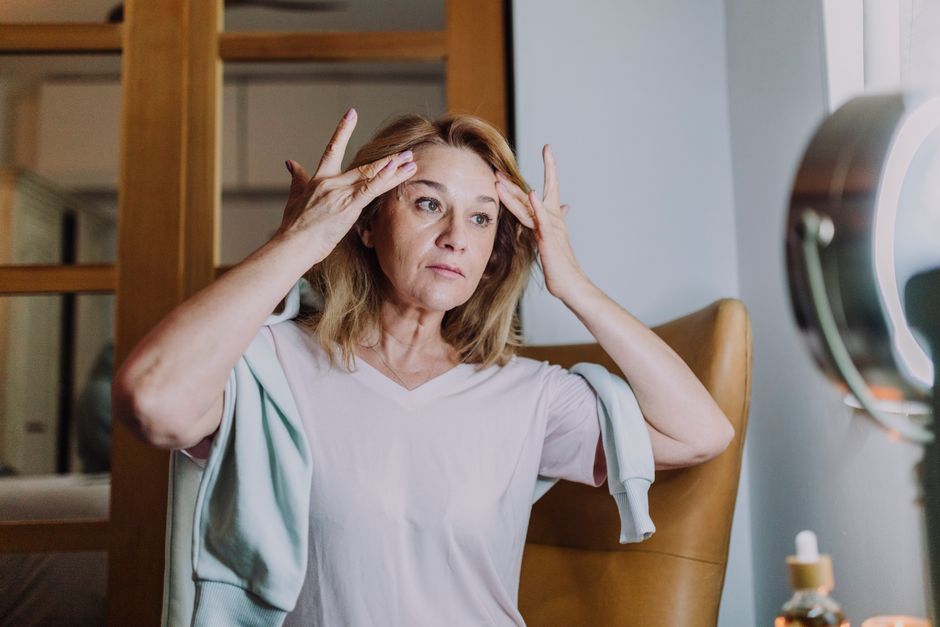
Dealing with visible signs of aging like wrinkles or experiencing frustrating hair thinning can significantly impact your confidence. Many seek non-invasive solutions to rejuvenate their appearance.
Red Light Therapy (RLT) emerges as a promising, non-pharmacological intervention, utilizing specific wavelengths of light to stimulate cellular processes for improved skin elasticity and enhanced hair growth. This comprehensive guide delves into the science and practical applications of RLT for both skin aging and hair health.
What is Red Light Therapy? Understanding the Basics
Red Light Therapy, also known as photobiomodulation (PBM), is a therapeutic technique that uses low-level red and near-infrared (NIR) light wavelengths. Unlike UV light, RLT does not damage skin cells but rather stimulates them.
These specific light wavelengths penetrate the skin, reaching cells where they are absorbed by mitochondria. This absorption initiates a cascade of metabolic events, leading to various cellular benefits.
Red Light Therapy for Skin Aging: Rejuvenating Your Complexion
RLT harnesses specific light wavelengths to promote cellular renewal, making it a popular choice for anti-aging. It targets cellular functions crucial for maintaining youthful skin.
The Science of Skin Rejuvenation
Red light interacts with fibroblasts, cells responsible for producing collagen and elastin, essential proteins for skin structure and elasticity. Increased production of these proteins helps to firm the skin and reduce sagging. Research suggests that these effects contribute to a more youthful appearance.
Furthermore, RLT supports improved cellular repair and regeneration, aiding in the turnover of old or damaged skin cells. It also helps to reduce inflammation and oxidative stress within the skin, which are significant contributors to the aging process, as supported by various studies into cellular health.
Key Benefits for Skin
- Minimizing fine lines and wrinkles: By boosting collagen, RLT can smooth out the appearance of fine lines and wrinkles.
- Improving skin tone and texture: Enhanced cellular activity leads to a more even skin tone and smoother texture.
- Reducing hyperpigmentation and age spots: RLT can assist in fading dark spots by promoting healthier skin cell regeneration.
- Aiding in wound healing and scar reduction: The therapy’s anti-inflammatory properties and cellular regeneration benefits contribute to faster healing and less noticeable scars.
Red Light Therapy for Hair Growth: Cultivating a Healthier Scalp
Beyond skin, RLT has shown significant potential in addressing various forms of hair loss and promoting scalp vitality. It works by influencing the hair growth cycle at a cellular level.
The Science of Hair Follicle Stimulation
RLT enhances cellular energy in hair follicles by stimulating mitochondria. This energy boost encourages follicles to remain in the anagen (growth) phase for longer periods, a mechanism supported by numerous investigations into hair biology.
The therapy also increases blood flow to the scalp, delivering more oxygen and nutrients to the hair follicles, which are vital for healthy hair growth. Research indicates that these mechanisms can collectively strengthen existing hair and stimulate new growth, offering hope for those experiencing thinning hair.
Key Benefits for Hair
- Promoting hair regrowth in cases of androgenetic alopecia: Scientific observations have indicated RLT’s effectiveness in stimulating regrowth for common pattern baldness.
- Strengthening existing hair strands: Improved nutrient delivery and cellular energy can lead to thicker, more resilient hair.
- Improving scalp health and reducing inflammation: RLT’s anti-inflammatory effects can create a healthier environment for hair growth.
- Potentially reducing hair loss: By extending the growth phase and invigorating follicles, RLT can help mitigate excessive hair shedding.
How Does Red Light Therapy Work? The Cellular Mechanism
The core of RLT’s efficacy lies in its interaction with cellular components. When red and near-infrared light penetrate tissues, they reach the mitochondria within cells.
Specifically, a chromophore called cytochrome c oxidase (CCO) absorbs these wavelengths. This absorption triggers a series of biochemical reactions, leading to increased production of adenosine triphosphate (ATP), the primary energy currency of cells.
This boost in ATP enhances cellular function, metabolism, and repair processes, impacting various signaling pathways and gene expression related to regeneration and healing.
Safety and Considerations for Red Light Therapy
Red light therapy is generally considered safe and non-invasive, with minimal side effects reported. Most users experience no adverse reactions, making it an attractive therapeutic option.
Potential side effects, though rare, might include temporary eye strain if proper eye protection is not used, or mild skin irritation. It is crucial to choose devices with appropriate wavelengths and power output for effective and safe home use.
Always consult with a healthcare professional before starting any new therapy, especially if you have underlying health conditions or are taking medications that might increase light sensitivity. Following manufacturer guidelines for dosage and session frequency is also essential.
Conclusion: Embracing the Future of Light-Based Wellness
Red Light Therapy presents a compelling, non-invasive approach to addressing both skin aging concerns and hair growth challenges. Its ability to stimulate cellular function, boost collagen, and enhance hair follicle activity underscores its therapeutic potential.
As research continues to unfold, RLT stands as a promising, natural therapy for those seeking to improve their skin health and hair density. Always consider professional advice and device specifications for optimal results.