Struggling with weight loss can be frustrating, often leading many to seek quick fixes through supplements.
While the market is flooded with various options promising rapid results, understanding their mechanisms, efficacy, and safety is crucial.
This comprehensive guide cuts through the hype, offering a science-backed look at weight loss supplements to help you make informed decisions for your health journey.
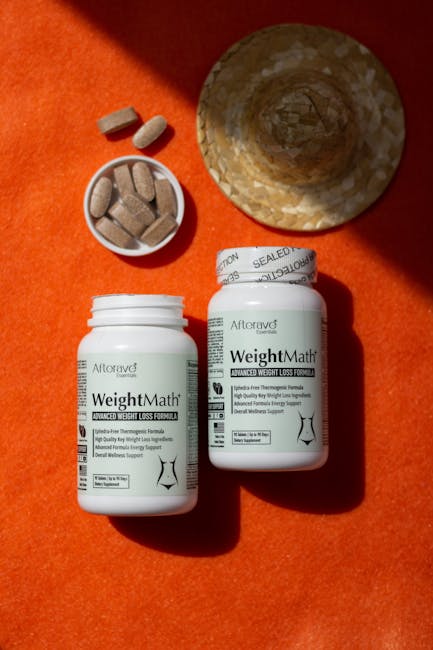
Understanding Weight Loss: Beyond the Pill
Effective weight loss fundamentally revolves around creating a calorie deficit, meaning you consume fewer calories than your body burns.
This deficit forces your body to tap into stored fat for energy, leading to a reduction in body weight.
Supplements are generally intended to support this process, not replace the foundational elements of diet and exercise.
The Role of Diet and Exercise
A balanced diet rich in whole foods, combined with regular physical activity, remains the cornerstone of sustainable weight loss.
These lifestyle changes not only promote fat loss but also improve overall health, energy levels, and metabolic function.
Categories of Weight Loss Supplements: How They Claim to Work
Weight loss supplements typically fall into several categories, each with a distinct purported mechanism of action.
Understanding these categories can help you discern how a particular supplement might fit into your weight management strategy.
Fat Burners
Fat burners aim to increase metabolism and thermogenesis, the process by which your body produces heat and burns calories.
They often contain ingredients like caffeine or green tea extract, which may slightly enhance fat oxidation.
Appetite Suppressants
These supplements are designed to reduce feelings of hunger and cravings, helping you consume fewer calories.
Ingredients such as glucomannan, a type of fiber, can expand in the stomach, promoting a feeling of fullness.
Carb Blockers/Fat Blockers
Carb blockers claim to inhibit enzymes that digest carbohydrates, reducing the absorption of dietary carbs.
Similarly, fat blockers purport to reduce the absorption of dietary fat, preventing it from being stored in the body.
Stimulant-Free Options
For individuals sensitive to caffeine or other stimulants, there are stimulant-free weight loss supplements available.
These often focus on ingredients like CLA or certain fibers that do not impact the central nervous system.
Key Ingredients in Popular Weight Loss Supplements
Many common weight loss supplements contain a blend of ingredients, each with its own proposed benefits.
It’s important to recognize these ingredients and understand their general scientific standing.
- Green Tea Extract (EGCG): Believed to boost metabolism and fat burning, particularly due to its epigallocatechin gallate (EGCG) content.
- Caffeine: A well-known stimulant that can temporarily increase metabolism and enhance fat oxidation.
- Garcinia Cambogia (Hydroxycitric Acid – HCA): Purported to block fat production and suppress appetite, though research findings are mixed.
- Conjugated Linoleic Acid (CLA): A type of fatty acid thought to reduce body fat and increase lean muscle mass.
- Glucomannan (Fiber): A soluble fiber that absorbs water and expands in the stomach, promoting satiety.
- Other notable ingredients often include L-carnitine, chromium, and raspberry ketones, each with varying levels of scientific support.
Are Weight Loss Supplements Safe and Effective?
The efficacy and safety of weight loss supplements vary widely depending on the ingredients, dosage, and individual user.
Some ingredients have more scientific backing than others, and potential side effects or interactions are always a concern.
Discussing the Science
While certain ingredients like caffeine and green tea extract have shown modest effects on metabolism and fat burning in some studies, dramatic results are rare.
Many other ingredients lack robust clinical evidence to support their claims of significant weight loss.
The U.S. Food and Drug Administration (FDA) does not approve dietary supplements for safety and effectiveness before they are marketed, unlike prescription drugs.
This means consumers must exercise caution and thoroughly research products before use.
Potential Side Effects and Contraindications
Side effects can range from mild (e.g., digestive upset, jitters from stimulants) to severe (e.g., liver damage, cardiovascular issues).
It’s crucial to consider any existing health conditions and medications you are taking, as supplements can interact adversely.
Always consult a healthcare professional before starting any new supplement regimen, especially if you have underlying health concerns.
Choosing the Right Weight Loss Supplement for You
If you decide to explore weight loss supplements, a thoughtful and informed approach is essential for safety and potential efficacy.
Consider these factors to make a choice that aligns with your health needs and goals.
Factors to Consider
- Health Conditions and Medications: Discuss with your doctor how supplements might interact with your current health status or prescribed drugs.
- Lifestyle: Remember that supplements work best when integrated into a healthy lifestyle that includes a balanced diet and regular exercise.
- Goals: Be realistic about what supplements can achieve; they are aids, not standalone solutions for significant weight loss.
Reading Labels and Understanding Dosages
Always read product labels carefully, paying attention to the ingredients, dosages, and recommended use.
Be wary of proprietary blends where individual ingredient amounts are not disclosed, making it hard to assess efficacy or safety.
Identifying Reputable Brands and Third-Party Testing
Look for brands that demonstrate transparency and ideally have their products third-party tested for purity and potency.
Certifications from organizations like NSF International or USP can indicate higher quality control and adherence to standards.
Dispelling Myths and Marketing Hype
The weight loss supplement industry is unfortunately prone to exaggerated claims and misleading marketing.
It’s vital to approach these products with a critical eye and realistic expectations.
Common Misconceptions
One prevalent myth is that supplements can offer “rapid” or “effortless” weight loss without changes to diet or exercise.
Sustainable weight loss is a gradual process that requires consistent effort and lifestyle adjustments.
Recognizing Misleading Claims
Be skeptical of products promising dramatic weight loss, “miracle” ingredients, or testimonials that seem too good to be true.
Educate yourself on common marketing tactics to avoid falling prey to ineffective or potentially harmful products.
Conclusion: A Holistic Approach to Sustainable Weight Loss
While weight loss supplements can play a supportive role for some individuals, they are not a magic bullet.
Sustainable and healthy weight loss is fundamentally achieved through a holistic approach that prioritizes a balanced diet, regular physical activity, adequate sleep, and stress management.
View supplements as potential aids to complement these core healthy habits, always under the guidance of a healthcare professional, rather than as primary solutions.