Struggling with the visible signs of aging or experiencing hair thinning can be frustrating, impacting self-confidence and overall well-being. Many seek non-invasive, effective solutions to revitalize their skin and stimulate hair growth. Red Light Therapy (RLT) offers a promising solution, utilizing specific wavelengths of light to boost cellular function, promoting natural rejuvenation and restoration for both skin and hair.
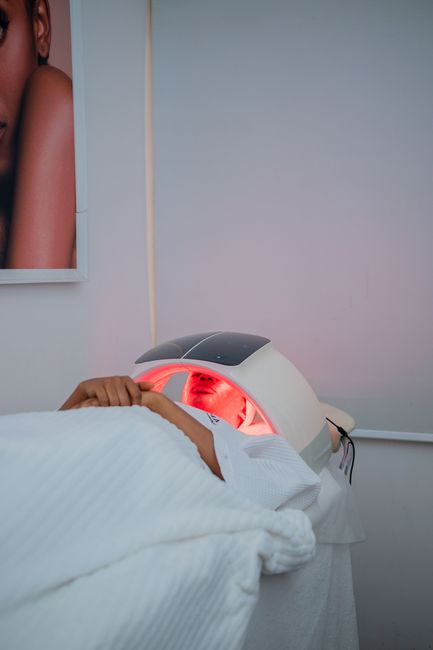
I. Introduction to Red Light Therapy (RLT)
A. What is Red Light Therapy?
Red Light Therapy, also known as low-level laser therapy (LLLT) or photobiomodulation (PBM), involves exposing the body to specific wavelengths of red and near-infrared light. This non-invasive technique aims to stimulate cellular processes and promote healing across various tissues.
B. How does Red Light Therapy work?
RLT works by penetrating the skin to reach mitochondria, the “powerhouses” of our cells. These mitochondria absorb the red and near-infrared light, which is believed to enhance cellular energy production (ATP). This boost in cellular energy can lead to improved cellular function, repair, and regeneration.
C. The science behind RLT: A brief history and key discoveries
The concept of using light for therapeutic purposes has roots dating back centuries, with modern RLT gaining traction since the 1960s. Early research primarily explored its potential in wound healing and tissue repair. Today, extensive scientific interest focuses on its diverse applications in health and wellness.
II. Red Light Therapy for Skin Aging and Rejuvenation
A. Understanding Skin Aging: Collagen, Elastin, and Cellular Turnover
Skin aging is a natural process marked by the gradual breakdown of collagen and elastin, essential proteins for skin’s structure and elasticity. Reduced cellular turnover and damage from environmental factors also contribute to visible signs like wrinkles and dullness. Maintaining healthy cellular function is key to preserving youthful skin.
B. How RLT Supports Anti-Aging
1. Boosting Collagen and Elastin Production
Red light therapy is thought to stimulate fibroblasts, the cells responsible for producing collagen and elastin. By energizing these cells, RLT helps increase the synthesis of these vital proteins. This action can lead to firmer, more resilient skin over time.
2. Reducing Fine Lines and Wrinkles
Increased collagen and elastin production helps to plump the skin and improve its structural integrity. This can visibly reduce the appearance of fine lines and wrinkles. Regular treatment contributes to a smoother, more youthful complexion.
3. Improving Skin Tone and Texture
RLT also supports improved blood circulation to the skin, which delivers more oxygen and nutrients to skin cells. This enhanced circulation can result in a more even skin tone and refined texture. Many users report a noticeable glow and softness.
4. Aiding in Scar Reduction and Wound Healing
The cellular regenerative properties of RLT extend to promoting faster wound healing and reducing the appearance of scars. By stimulating cellular repair mechanisms, it can help the skin remodel and heal more effectively. This makes it beneficial for post-inflammatory hyperpigmentation or acne scars.
C. Conditions RLT May Help With:
- Sun Damage and Age Spots: RLT’s ability to promote cellular repair can help mitigate the effects of sun damage, potentially fading age spots and improving overall skin clarity.
- Acne and Inflammation: While not its primary function, red light has anti-inflammatory properties that may help soothe inflamed acne and reduce redness. It can also support overall skin health, which benefits acne management.
D. Expected Results and Timeline for Skin Benefits
Results from RLT for skin benefits typically aren’t immediate and require consistent use over several weeks to months. Users may begin to notice improvements in skin texture and tone within 4-6 weeks, with more significant reductions in wrinkles and increased firmness appearing after 3-6 months. Individual results can vary based on skin condition and device used.
III. Red Light Therapy for Hair Growth and Scalp Health
A. Understanding Hair Loss: Follicle Health and Blood Flow
Hair loss often stems from compromised hair follicle health and inadequate blood flow to the scalp, which deprives follicles of essential nutrients. Conditions like androgenetic alopecia involve follicles shrinking and eventually ceasing to produce hair. Addressing these underlying issues is crucial for promoting hair regrowth.
B. How RLT Promotes Hair Growth
1. Stimulating Hair Follicles (Anagen Phase)
Red light therapy is believed to energize dormant or weakened hair follicles, encouraging them to enter or prolong the anagen (growth) phase of the hair cycle. This stimulation can lead to thicker, healthier hair strands. It helps to reactivate cellular activity within the follicles.
2. Increasing Blood Circulation to the Scalp
RLT promotes vasodilation, increasing blood flow to the scalp. This enhanced circulation ensures that hair follicles receive a richer supply of oxygen, vitamins, and nutrients necessary for robust hair growth. Improved blood supply is vital for maintaining follicle vitality.
3. Reducing Scalp Inflammation
Chronic inflammation on the scalp can damage hair follicles and contribute to hair loss. Red light has anti-inflammatory effects that can soothe the scalp environment. Reducing inflammation creates a healthier foundation for hair to grow. This supports overall scalp well-being.
C. Types of Hair Loss RLT Can Address:
- Androgenetic Alopecia (Male and Female Pattern Baldness): RLT has shown promise in addressing this common form of hair loss by stimulating follicles and improving scalp health. It works by targeting the underlying biological mechanisms.
- Thinning Hair: For individuals experiencing general hair thinning, RLT can help strengthen existing hair and stimulate new growth, leading to a fuller appearance. It revitalizes tired follicles to produce more robust strands.
D. Expected Results and Timeline for Hair Growth
For hair growth, consistency is paramount, with noticeable results often taking longer than for skin benefits. Users might observe reduced hair shedding within 2-3 months, with visible hair regrowth and increased density appearing after 4-6 months of regular use. Continued treatment is usually necessary to maintain benefits.
IV. Types of Red Light Therapy Devices
A. Overview of Device Categories
- Panels: Larger devices typically used for full-body or large area treatments, offering broad coverage and high irradiance. They are often stationary and require dedicated space.
- Masks: Specifically designed for facial treatment, these masks deliver red light directly to the skin on the face. They offer convenience and targeted application for anti-aging benefits.
- Caps: Helmets or caps fitted with red light diodes are designed for scalp treatment to stimulate hair growth. They provide hands-free operation and even coverage for the head.
- Handhelds: Compact and portable, these devices are suitable for targeted treatment of smaller areas or for travel. They offer flexibility but may require longer treatment times for larger areas.
B. Key Features to Consider:
- Wavelength (Red vs. Near-Infrared): Red light (around 630-700nm) is excellent for surface skin issues, while near-infrared light (around 800-850nm) penetrates deeper for muscle, joint, and deeper cellular benefits, including hair follicles. Many devices combine both for comprehensive treatment.
- Irradiance and Power Output: These metrics indicate the intensity and strength of the light delivered, directly affecting treatment effectiveness and duration. Higher irradiance usually means shorter treatment times are needed.
- Coverage Area and Treatment Zones: Consider the size of the area you wish to treat to choose a device with appropriate coverage. Larger panels are for broader areas, while smaller devices target specific spots.
V. Safety and Efficacy of Red Light Therapy
A. General Safety Profile and Non-Invasiveness
Red Light Therapy is widely considered safe and non-invasive, with minimal risks when used as directed. Unlike UV light, RLT does not damage skin cells or cause tanning. Its gentle nature makes it suitable for regular use.
B. Potential Mild Side Effects
While generally safe, some individuals might experience mild, temporary side effects, such as temporary eye strain or skin redness in the treated area. These effects are rare and usually subside shortly after treatment. Always follow manufacturer guidelines for safe use.
C. Important Considerations and Precautions
- Eye Protection: Always use eye protection, such as goggles, provided with your device, especially during facial treatments, to shield your eyes from bright light exposure.
- Skin Sensitivity: If you have particularly sensitive skin or certain skin conditions, perform a patch test before widespread use to ensure no adverse reactions.
- Consultation: It is always advisable to consult with a healthcare professional or dermatologist before starting any new therapy, especially if you have underlying health conditions or are taking medications that increase light sensitivity.
VI. Incorporating RLT into Your Routine
A. Consistency and Adherence for Optimal Results
The key to achieving meaningful results with Red Light Therapy lies in consistent and regular use. Sporadic treatments are unlikely to yield the desired benefits for skin rejuvenation or hair growth. Establish a routine and stick to it faithfully.
B. Best Practices for At-Home Use
For at-home RLT, start with a clean face or scalp, free of makeup or heavy products. Position the device according to the manufacturer’s instructions, ensuring the light reaches the target area without obstruction. Typically, sessions last between 10-20 minutes, 3-5 times per week.
- Clean Skin: Ensure the treatment area is clean and free of lotions or makeup to allow for optimal light penetration.
- Device Positioning: Follow your device’s instructions regarding the ideal distance from your skin to ensure effective irradiance.
- Session Duration: Most devices recommend 10-20 minute sessions per area. Do not exceed recommended times, as more is not always better.
- Frequency: For best results, aim for 3-5 sessions per week, maintaining consistency over several months.
C. Combining with other healthy lifestyle choices
Red Light Therapy is most effective when integrated into a holistic health and wellness regimen. Complement RLT with a balanced diet, adequate hydration, stress management, and a good skincare routine. These lifestyle choices work synergistically to enhance overall well-being and treatment outcomes.
VII. Conclusion
A. Summary of Red Light Therapy’s benefits for skin aging and hair growth
Red Light Therapy represents a promising, non-invasive approach to combating the visible signs of skin aging and promoting hair growth. By stimulating cellular energy and regeneration, RLT supports increased collagen and elastin production, reduces fine lines, and revitalizes hair follicles. Its broad appeal lies in its gentle yet effective mechanism of action.
B. The future outlook of RLT in wellness and beauty
The field of photobiomodulation continues to evolve, with ongoing research exploring even broader applications for RLT in wellness and beauty. As technology advances, devices are becoming more sophisticated, user-friendly, and accessible. This growing understanding will likely solidify RLT’s place as a staple in personal care routines.
C. Final thoughts on scientific backing and personal well-being
While the mechanisms of Red Light Therapy are well-understood in terms of cellular biology, specific clinical trials providing definitive, comprehensive, and universally accepted long-term efficacy data are continually being published. For individuals seeking to address skin aging or hair loss, RLT offers a scientifically grounded and generally safe option to consider for enhancing personal well-being. Always consult with a professional for personalized advice.