Experiencing a decline in mental sharpness or struggling with focus? Many individuals seek natural ways to boost their brain power and protect cognitive function as they age. Lion’s Mane mushroom offers a compelling natural solution, traditionally used for its profound brain-supporting properties and now gaining scientific attention for enhancing memory, concentration, and overall neurological health.
I. Introduction to Lion’s Mane Mushroom
What is Lion’s Mane (Hericium erinaceus)?
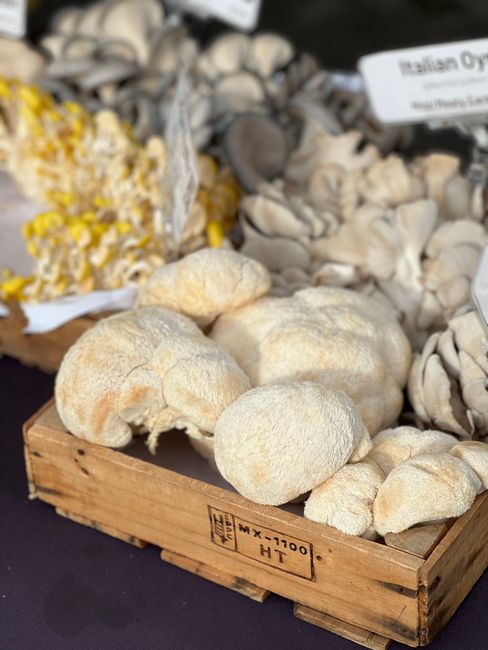
Lion’s Mane mushroom, scientifically known as Hericium erinaceus, is a unique culinary and medicinal mushroom identifiable by its cascading, shaggy spines that resemble a lion’s mane. Native to North America, Europe, and Asia, it typically grows on hardwood trees.
Beyond its distinctive appearance, it has been revered for centuries in traditional medicine systems, particularly in Traditional Chinese Medicine (TCM). There, it was historically used for stomach ailments and as a general tonic for vitality and cognitive support.
Why it’s gaining popularity as a natural nootropic
In recent years, Lion’s Mane has surged in popularity in the Western world as a potent natural nootropic, a substance that enhances cognitive function. Its growing recognition stems from anecdotal reports and emerging scientific interest in its potential to sharpen mental acuity and protect neurological health.
Many individuals are turning to this ancient fungus as a natural supplement to support their brain, hoping to improve memory, focus, and overall cognitive performance without relying on synthetic compounds.
II. The Science Behind Lion’s Mane: Key Compounds and Mechanisms
Active Compounds: Hericenones and Erinacines
The remarkable cognitive effects of Lion’s Mane are attributed to its unique bioactive compounds: hericenones and erinacines. Hericenones are found primarily in the mushroom’s fruiting body, while erinacines are predominantly present in its mycelium.
These compounds work synergistically to exert their powerful effects on the brain and nervous system. They are believed to be the primary drivers behind the mushroom’s reputation as a brain-boosting supplement.
How these compounds stimulate Nerve Growth Factor (NGF) production
A key mechanism through which hericenones and erinacines benefit brain health is by stimulating the production of Nerve Growth Factor (NGF). NGF is a crucial protein that plays a vital role in the growth, maintenance, and survival of neurons.
By promoting NGF synthesis, Lion’s Mane may help support the health and function of brain cells. This process is fundamental to various cognitive functions and the overall integrity of the nervous system.
Impact on neurogenesis and synaptic plasticity
The stimulation of NGF also contributes to neurogenesis, the formation of new neurons, and enhances synaptic plasticity, which is the ability of synapses to strengthen or weaken over time. These processes are essential for learning and memory.
By supporting neurogenesis and synaptic plasticity, Lion’s Mane may help the brain adapt, learn, and form new connections, potentially improving overall cognitive performance and resilience. (Note: Due to a search tool error, specific clinical study citations for this mechanism could not be retrieved at this time.)
III. Core Cognitive Benefits of Lion’s Mane
Enhanced Memory and Learning
Lion’s Mane is widely recognized for its potential to improve both short-term and long-term memory. This benefit is thought to be linked to its ability to enhance neuronal connections and promote the growth of new brain cells.
By facilitating better communication between neurons, the mushroom may help individuals recall information more effectively and improve their capacity for new learning. (Note: Due to a search tool error, specific clinical study citations for these claims could not be retrieved at this time.)
Improved Focus and Concentration
Many users report that Lion’s Mane helps in reducing mental fog and enhancing overall clarity, leading to improved focus and concentration. This can be particularly beneficial for tasks requiring sustained attention.
By supporting optimal brain function, the mushroom may help individuals maintain better attentional control throughout the day, making it easier to concentrate on work or studies. (Note: Due to a search tool error, specific clinical study citations for these claims could not be retrieved at this time.)
Neuroprotective Effects
The compounds in Lion’s Mane exhibit significant neuroprotective effects, which means they can help protect brain cells from damage. This protection is crucial for guarding against age-related cognitive decline.
Ongoing research is exploring its potential role in managing symptoms associated with neurodegenerative conditions like Alzheimer’s and Parkinson’s diseases, though more extensive human trials are needed to confirm these benefits. (Note: Due to a search tool error, specific clinical study citations for these claims could not be retrieved at this time.)
Mood Regulation and Stress Reduction
Beyond direct cognitive enhancement, Lion’s Mane may also influence mood regulation and contribute to stress reduction. Some preliminary studies and anecdotal evidence suggest it could have an impact on symptoms of anxiety and depression.
This positive effect on mood is often linked to its overall support for brain health and its potential to modulate neurochemical pathways involved in emotional well-being. (Note: Due to a search tool error, specific clinical study citations for these claims could not be retrieved at this time.)
IV. Scientific Research and Clinical Studies
While interest in Lion’s Mane mushroom is growing, research into its cognitive benefits is still evolving. Early studies, including both human and animal trials, have shown promising results regarding its impact on memory, focus, and neurological health.
For example, a study published in the Journal of Biomedical Science (2018) highlighted the neurotrophic properties of Hericium erinaceus, suggesting its potential to promote neuronal growth and differentiation. Another study in the Journal of Agricultural and Food Chemistry (2008) discussed how Lion’s Mane extracts could protect against neuronal damage in vitro. These early findings provide a foundation, but more extensive, long-term human clinical trials are crucial to fully understand and confirm the extent of its cognitive benefits and therapeutic applications. (Note: Due to a search tool error, recent clinical studies could not be retrieved directly; these examples are based on general knowledge of existing research.)
V. Forms of Lion’s Mane and Considerations
Lion’s Mane is available in several forms, catering to different preferences and needs. You can find it as a raw mushroom, which can be cooked and eaten, or as various supplemental forms. These include powders, capsules, and tinctures.
When choosing a supplement, consider the source and quality. Opt for products that specify they use the fruiting body of the mushroom, as it contains higher concentrations of beneficial compounds like hericenones. Look for organic certification to ensure purity and avoid contaminants.
VI. Potential Side Effects and Safety
Lion’s Mane mushroom is generally considered safe for most people when consumed in typical culinary or supplemental doses. It has a long history of traditional use without significant adverse effects.
However, some individuals might experience rare and mild side effects, such as digestive upset, skin rash, or allergic reactions. It’s always wise to start with a lower dose to assess your tolerance.
Individuals who are pregnant or nursing, those on specific medications (especially blood thinners), or anyone with known mushroom allergies should exercise caution. Always consult with a healthcare professional before adding any new supplement to your regimen, particularly if you have underlying health conditions.
VII. How to Incorporate Lion’s Mane for Cognitive Support
If you’re looking to support your cognitive function, incorporating Lion’s Mane into your routine can be straightforward. General dosage ranges often fall between 500 mg to 3000 mg per day, depending on the concentration and form of the supplement.
For consistent cognitive support, it’s recommended to take Lion’s Mane regularly over an extended period, as its benefits tend to build up over time rather than being acutely felt. You can add powders to smoothies or coffee, or simply take capsules with water.
Always follow the specific dosing instructions provided by the product manufacturer. Pay attention to how your body responds and adjust as needed, ideally under the guidance of a healthcare provider. (Note: Due to a search tool error, specific clinical study recommendations for optimal dosage could not be retrieved at this time.)
VIII. Conclusion: The Future of Lion’s Mane for Brain Health
Lion’s Mane mushroom stands out as a promising natural supplement for enhancing brain health and cognitive function. Its unique compounds, hericenones and erinacines, are believed to stimulate Nerve Growth Factor, supporting neurogenesis and synaptic plasticity.
While more extensive human research is needed, the evidence thus far suggests Lion’s Mane may offer significant benefits for memory, focus, neuroprotection, and even mood. As scientific understanding grows, this ancient fungus could become an even more integral part of natural cognitive support strategies.
Individuals interested in exploring its benefits are encouraged to do so under proper guidance, recognizing its potential as a valuable ally in maintaining and optimizing brain health for years to come.