Are you struggling with visible signs of aging like wrinkles or experiencing frustrating hair loss? Red light therapy (RLT) offers a promising, non-invasive solution to these common concerns.
By harnessing specific wavelengths of light, RLT works at a cellular level to rejuvenate your skin and stimulate hair follicles, helping you achieve a more youthful appearance and thicker, healthier hair.
This comprehensive guide will explore the science, benefits, and practical application of red light therapy for both skin and hair.
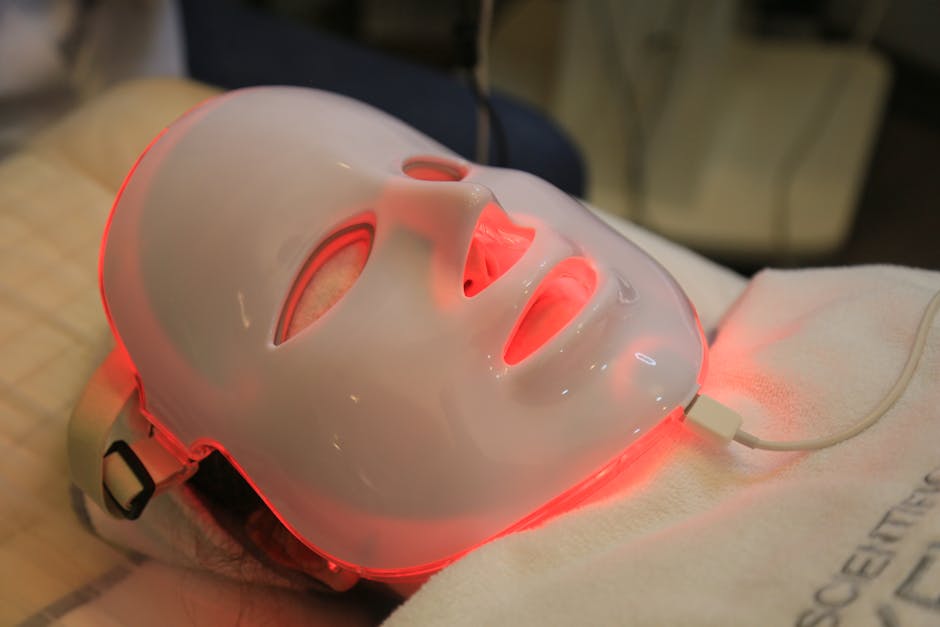
Introduction to Red Light Therapy
Red light therapy, also known as low-level laser therapy (LLLT) or photobiomodulation (PBM), involves exposing the body to specific wavelengths of red and near-infrared light. This treatment is non-invasive and utilizes light-emitting diodes (LEDs) or low-power lasers to deliver therapeutic light.
Originally developed by NASA to grow plants in space and heal astronaut wounds, RLT has evolved into a popular wellness treatment. Its applications now span various health concerns, including skin rejuvenation, pain relief, and even hair restoration.
How Red Light Therapy Works: The Science Behind the Glow
Red light therapy works by delivering targeted wavelengths of light, typically between 630-700 nanometers for red light and 800-1000 nanometers for near-infrared light, directly to the skin. These specific wavelengths are absorbed by the mitochondria within your cells.
Upon absorption, mitochondrial activity increases, leading to enhanced production of adenosine triphosphate (ATP), which is the primary energy currency of cells. This boost in cellular energy supports various regenerative processes, promoting repair and overall cellular health.
Red Light Therapy for Radiant Skin: Combating the Signs of Aging
RLT offers significant benefits for skin health, particularly in addressing the visible signs of aging. It works by stimulating natural processes within the skin to improve its appearance and resilience.
The therapy targets skin cells, encouraging them to function more efficiently and effectively, leading to a healthier, more youthful complexion.
Boosting Collagen and Elastin Production
Collagen and elastin are crucial proteins responsible for maintaining skin’s elasticity, firmness, and overall structure. As we age, their production naturally declines, leading to sagging skin and wrinkles.
Red light therapy stimulates fibroblasts, which are the cells responsible for producing collagen and elastin. This enhanced production helps to rebuild the skin’s structural integrity, making it firmer and more supple.
Reducing Wrinkles and Fine Lines
By boosting collagen and elastin, RLT directly contributes to smoothing out the skin’s surface. Regular treatments can significantly diminish the appearance of fine lines and wrinkles.
This results in improved skin texture and a more youthful look, often showing noticeable improvements in overall facial rejuvenation over time.
Improving Skin Tone and Texture
Beyond wrinkles, red light therapy can also address various complexion issues. It helps to improve overall skin tone by reducing redness, hyperpigmentation, and the appearance of sun damage.
Users often report a more even complexion and a healthy, radiant glow, enhancing the skin’s natural luminosity and smoothness.
Accelerating Wound Healing and Scar Reduction
Red light therapy’s ability to promote cellular regeneration extends to wound healing. It can accelerate the repair of damaged skin tissue, making it a valuable tool for post-procedure recovery.
Moreover, by encouraging healthy tissue formation, RLT can help minimize the appearance of scars, leading to smoother and less noticeable marks over time.
Reclaiming Your Hair: Red Light Therapy for Hair Growth
For those experiencing hair thinning or loss, red light therapy presents a promising non-invasive option. It works by targeting the scalp and hair follicles to stimulate growth and improve hair quality.
This therapy aims to revitalize dormant follicles and strengthen existing hair strands, contributing to a fuller and healthier head of hair.
Stimulating Hair Follicles
RLT increases blood circulation to the scalp, ensuring hair follicles receive a richer supply of oxygen and nutrients essential for growth. This enhanced blood flow is crucial for supporting metabolic activity in the follicles.
By reactivating dormant hair follicles and encouraging cellular proliferation, red light therapy helps to kickstart the hair growth cycle. This can lead to new hair growth in areas that were previously thinning.
Strengthening Hair Strands and Reducing Hair Loss
In addition to stimulating new growth, RLT also works to strengthen existing hair strands. It helps extend the anagen (growth) phase of the hair cycle, leading to thicker, more resilient hair.
This extended growth phase and improved hair quality contribute to a reduction in hair shedding and an increase in overall hair density. The result is a visibly fuller and healthier mane.
Addressing Various Types of Hair Loss
Red light therapy has shown promise in treating various forms of hair loss, particularly androgenetic alopecia, commonly known as male and female pattern baldness. It offers a drug-free alternative for managing this widespread condition.
It can also be beneficial for other causes of thinning hair, by generally improving scalp health and fostering an environment conducive to robust hair growth.
Safety and Considerations for Red Light Therapy
While red light therapy is generally considered safe and well-tolerated, it is important to be aware of potential considerations before beginning treatment. Understanding proper usage ensures you maximize benefits while minimizing risks.
Always prioritize your safety and consult with a healthcare professional if you have underlying medical conditions or concerns.
Potential Side Effects and Contraindications
Most individuals experience no significant side effects from RLT. Rarely, some might report mild eye strain if proper eye protection isn’t used, or temporary skin irritation such as redness or tightness.
Individuals with certain medical conditions, such as light-sensitive skin disorders, or those taking photosensitizing medications, should consult a doctor before using RLT devices. Pregnant individuals should also seek medical advice.
Proper Usage and Session Duration
The effectiveness of red light therapy depends on consistent and proper usage. Recommended exposure times typically range from 10 to 20 minutes per session, several times a week, though this can vary by device.
Always follow the specific manufacturer guidelines for your chosen device to ensure optimal results and safety. Consistency is key for observing noticeable improvements.
What to Look For in a Red Light Therapy Device (General Guidelines)
When considering a red light therapy device, focus on key features like the specific wavelengths emitted (e.g., 660nm for red light, 850nm for near-infrared). The irradiance, or power output, is also crucial for effectiveness.
Look for devices that offer a sufficient treatment area for your needs and prioritize those that are FDA-cleared, indicating they meet certain safety and efficacy standards. Researching general consumer reviews can also provide valuable insights.
Conclusion: Embracing the Potential of Red Light Therapy
Red light therapy presents an exciting and non-invasive approach to enhance both skin health and hair growth. By stimulating cellular energy and regeneration, RLT offers a scientifically supported path to a more youthful appearance and revitalized hair.
Whether you’re aiming to diminish wrinkles, improve skin tone, or combat hair loss, incorporating RLT into your wellness regimen could provide significant benefits. Embrace this powerful therapy to unlock your body’s natural regenerative potential.