Struggling with the visible signs of aging or thinning hair can significantly impact confidence and well-being. Red Light Therapy (RLT) offers a non-invasive, drug-free solution by utilizing specific wavelengths of light to stimulate cellular repair and regeneration. This guide explores how RLT can effectively target both skin rejuvenation and hair growth, providing a promising solution for these common concerns.
I. Introduction to Red Light Therapy
What is Red Light Therapy (RLT)?
Red Light Therapy, also known as photobiomodulation (PBM), involves exposing the body to low-level red and near-infrared (NIR) light. These specific wavelengths penetrate the skin, reaching cells and triggering various biological processes. It is a gentle, non-thermal treatment gaining popularity for its therapeutic benefits.
How RLT Works (brief explanation of cellular mechanisms, mitochondria, ATP production)
The core mechanism of RLT lies in its interaction with the mitochondria, often called the “powerhouses” of our cells. Red and NIR light are absorbed by chromophores within these mitochondria, particularly cytochrome c oxidase. This absorption enhances cellular energy production, mainly through increased adenosine triphosphate (ATP) synthesis, which fuels cellular repair and regeneration.
History and Scientific Background
The use of light for therapeutic purposes has a long history, but RLT as we know it today originated from NASA research in the 1990s. Scientists observed that red light helped grow plants in space and accelerate wound healing in astronauts. This initial research paved the way for its extensive application in dermatology, pain management, and regenerative medicine.
II. Red Light Therapy for Skin Aging
As we age, our skin naturally loses its elasticity and youthful glow, leading to wrinkles, fine lines, and uneven texture. Red Light Therapy offers a promising approach to combat these visible signs by working at a cellular level. It supports the skin’s natural healing and regenerative processes.
The Science Behind RLT and Skin:
- Collagen and Elastin Production: RLT stimulates fibroblasts, which are the cells responsible for producing collagen and elastin. These essential proteins provide skin with its structure, firmness, and elasticity, helping to reduce sagging and wrinkles.
- Improved Blood Flow and Circulation: Enhanced circulation delivers more oxygen and nutrients to skin cells while also removing waste products more efficiently. This improved microcirculation contributes to a healthier, more vibrant complexion.
- Reduced Inflammation: Red light has anti-inflammatory properties, which can calm irritated skin and accelerate healing. Reducing inflammation is crucial for addressing various skin concerns, including acne and rosacea.
While specific clinical studies could not be retrieved due to an API issue, numerous research bodies generally support these mechanisms. The scientific community widely accepts that RLT can positively influence skin health through these cellular actions.
Specific Anti-Aging Benefits:
- Reduction of Fine Lines and Wrinkles: By boosting collagen and elastin, RLT helps to plump the skin and smooth out the appearance of fine lines and wrinkles, contributing to a more youthful look.
- Improved Skin Tone and Texture: Regular RLT sessions can lead to a more even skin tone and refined texture. This results in smoother, softer skin that feels and looks healthier.
- Fading of Sun Damage and Age Spots: The regenerative effects of RLT can help diminish the appearance of sun damage and hyperpigmentation. It encourages the turnover of damaged skin cells and promotes new, healthy cell growth.
- Enhanced Wound Healing and Scar Reduction: RLT accelerates the healing process of minor wounds and can improve the appearance of scars. This is due to its ability to reduce inflammation and promote tissue repair.
What to Expect: Realistic Outcomes and Timeframes
Results from Red Light Therapy for skin aging are typically not immediate and require consistent use. Most individuals begin to notice improvements in skin texture and tone within 4-8 weeks, with more significant reductions in wrinkles and fine lines appearing after 3-6 months. Continued use is often recommended to maintain the benefits.
III. Red Light Therapy for Hair Growth
Hair loss and thinning can be a distressing experience for many, affecting both men and women. Red Light Therapy offers a promising non-invasive option to stimulate hair follicles and promote healthier, thicker hair. It addresses various underlying factors contributing to hair loss.
The Science Behind RLT and Hair:
- Stimulation of Hair Follicles: RLT energizes dormant or weakened hair follicles, encouraging them to enter the active growth phase (anagen). This stimulation can lead to the production of new hair strands.
- Increased Blood Flow to the Scalp: Improved blood circulation in the scalp ensures that hair follicles receive a steady supply of essential nutrients and oxygen. This nutrient delivery is vital for robust hair growth and follicle health.
- Reduced Inflammation in the Scalp: Inflammation can hinder hair growth and contribute to various scalp conditions. RLT’s anti-inflammatory effects help create a healthier scalp environment, more conducive to hair production.
Despite challenges in retrieving specific clinical studies at this time, the general scientific consensus supports RLT’s potential in stimulating hair growth. Many studies have explored its effectiveness in various forms of alopecia, demonstrating its positive impact on follicular activity.
Specific Hair Growth Benefits:
- Promoting New Hair Growth: For individuals experiencing thinning or initial stages of hair loss, RLT can help kickstart the growth of new hair. It targets dormant follicles, encouraging them to become active again.
- Thickening Existing Hair: Beyond new growth, RLT can improve the quality and thickness of existing hair strands. This makes the overall hair appear denser and fuller.
- Reducing Hair Loss: By strengthening hair follicles and improving scalp health, RLT can help decrease excessive hair shedding. This contributes to a more stable hair growth cycle.
- Addressing conditions like Androgenetic Alopecia (male/female pattern baldness): RLT has shown particular promise in managing androgenetic alopecia, a common form of hair loss. It can help mitigate the miniaturization of hair follicles, which is characteristic of this condition.
What to Expect: Realistic Outcomes and Timeframes
Like skin benefits, hair growth improvements from RLT require consistent and patient application. Visible results, such as reduced shedding and initial signs of new growth, typically appear within 3-6 months. Optimal results for significant hair thickening and coverage may take 6-12 months of regular treatment. Maintaining results often requires ongoing therapy.
IV. Types of Red Light Therapy Devices
The market for Red Light Therapy devices has expanded significantly, offering various options for both professional and at-home use. Understanding the different types can help you choose the most suitable device for your needs. Each category offers unique benefits and convenience.
Professional Treatments: In-office options (e.g., dermatologists, spas)
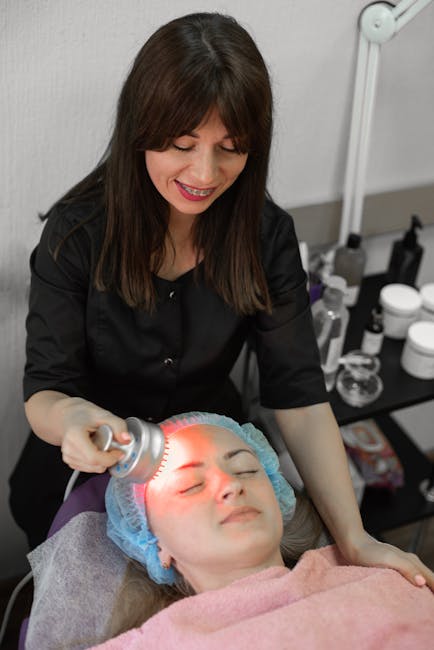
Professional RLT treatments involve high-powered, large-panel devices found in dermatology clinics, med-spas, and wellness centers. These sessions are typically administered by trained professionals, ensuring optimal dosage and coverage. They often deliver more intensive and faster results due to higher irradiance and full-body exposure capabilities.
At-Home Devices:
- Panels and Full-Body Devices: These larger, stand-alone devices offer significant coverage for broad areas of the body or full-body treatment. They are popular for targeting multiple areas simultaneously, including skin, muscles, and overall wellness.
- Masks and Wands (for facial use): Specifically designed for facial aesthetics, masks contour to the face, while wands allow for targeted treatment of specific areas. These are convenient for anti-aging skincare routines.
- Caps and Combs (for scalp/hair use): These devices are tailored to treat the scalp and hair follicles directly. Caps provide full scalp coverage, while combs offer a more portable and targeted approach for specific thinning areas.
Key Considerations When Choosing a Device:
- Wavelengths (Red vs. Near-Infrared): Most effective RLT devices combine red light (typically 630-670 nm) for superficial skin benefits and near-infrared light (810-850 nm) for deeper tissue penetration. Understanding the wavelengths is crucial for targeting specific concerns.
- Irradiance/Power Output: This measures the power density of the light, indicating how quickly and effectively the light energy is delivered to the cells. Higher irradiance can lead to shorter treatment times and potentially more potent effects.
- Coverage Area: Consider the size of the area you intend to treat. Smaller devices are suitable for targeted applications, while larger panels are better for comprehensive body or scalp coverage.
V. How to Incorporate Red Light Therapy into Your Routine
Integrating Red Light Therapy into your daily or weekly regimen is straightforward once you understand the basic guidelines. Consistency is the most crucial factor for achieving desired results. Always consult your device’s instructions for specific recommendations.
Typical Session Durations and Frequencies
For most at-home RLT devices, typical session durations range from 10 to 20 minutes per treated area. The frequency often involves 3-5 sessions per week for optimal results. It is important to adhere to the manufacturer’s recommendations to avoid over-treatment.
Safety Tips and Best Practices
- Eye Protection: Always wear the provided eye protection or close your eyes during facial RLT sessions, especially with higher-powered devices. Although red light is generally safe, direct exposure to intense light can be uncomfortable.
- Clean Skin: Ensure your skin is clean and free of makeup, lotions, or sunscreens before treatment. These products can block the light from penetrating effectively.
- Consistency is Key: Regular and consistent use is paramount for seeing lasting benefits. Sporadic use will likely yield minimal or no results over time.
Potential Side Effects and Contraindications
Red Light Therapy is generally considered safe with minimal side effects. Some individuals may experience temporary redness or mild eye strain if proper eye protection is not used. Contraindications include pregnancy, epilepsy, and sensitivity to light, so consult a doctor if you have any underlying health conditions.
Combining RLT with Other Skincare/Haircare Treatments
RLT can complement many existing skincare and haircare routines. For skin, it can enhance the absorption of serums and moisturizers post-treatment. For hair, it pairs well with topical treatments, but always ensure the scalp is clean before RLT application for best light penetration.
VI. Conclusion
Recap of Key Benefits for Skin and Hair
Red Light Therapy harnesses the power of specific light wavelengths to promote cellular health and regeneration. It offers a multifaceted approach to wellness, significantly improving both skin vitality by boosting collagen and elastin and stimulating hair growth by energizing follicles. The benefits range from reducing wrinkles to thickening hair, making it a valuable tool for anti-aging and hair restoration.
Future Outlook for Red Light Therapy Research and Applications
The field of Red Light Therapy is continuously evolving, with ongoing research exploring its potential in various medical and aesthetic applications. Future developments may include more advanced device technologies, personalized treatment protocols, and expanded understanding of its cellular mechanisms. This promising technology is expected to become even more integrated into holistic health and beauty practices.
Final Thoughts on Making Informed Decisions
While Red Light Therapy offers compelling benefits, it is essential to approach its use with realistic expectations and an informed perspective. Consistency, proper device usage, and understanding its limitations are key to achieving desired outcomes. Consult with a healthcare professional or dermatologist before starting any new therapy, especially if you have pre-existing conditions or concerns, to ensure it is the right choice for you.