Struggling with focus or seeking to enhance your mental clarity? Lion’s Mane mushroom (Hericium erinaceus) is emerging as a natural powerhouse in the realm of brain health. This unique fungus, traditionally revered in Eastern medicine, is now garnering significant scientific interest for its potential to support cognitive function and overall neurological well-being.
This guide will explore what makes Lion’s Mane so special, delve into the science behind its cognitive benefits, and provide practical advice on how to incorporate it into your daily routine for optimal brain health.
What is Lion’s Mane Mushroom?
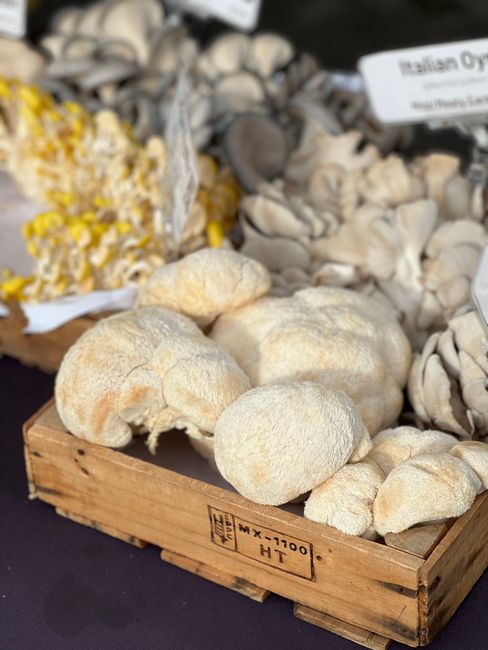
Lion’s Mane mushroom (Hericium erinaceus) is an edible and medicinal fungus known for its distinctive appearance, resembling a white, shaggy cascade of icicles or a lion’s mane as it grows. It typically thrives on the trunks of hardwood trees in temperate forests across North America, Europe, and Asia.
In traditional Eastern medicine, particularly in China and Japan, Lion’s Mane has been used for centuries to support digestive health and enhance neurological function. Modern research has focused on its unique bioactive compounds: hericenones, found in the fruiting body, and erinacines, predominantly in the mycelium, which are believed to be responsible for many of its health-promoting properties.
The Science Behind Lion’s Mane and Cognitive Function
Lion’s Mane mushroom is celebrated for its potential to support various aspects of brain health, largely attributed to its unique compounds that interact with the nervous system.
Neurogenesis and Nerve Growth Factor (NGF)
One of the most exciting areas of research involves Lion’s Mane’s ability to promote neurogenesis, the growth of new brain cells, and stimulate the production of Nerve Growth Factor (NGF). NGF is a crucial protein that maintains and organizes neurons, essential for brain plasticity and neuronal repair.
Preliminary studies suggest that the hericenones and erinacines present in Lion’s Mane may cross the blood-brain barrier and encourage the synthesis of NGF. This action could potentially lead to improved cognitive function and protection against age-related neurological decline. While more extensive human trials are ongoing, current understanding points to a promising role for Lion’s Mane in supporting brain health at a cellular level.
Memory Enhancement
Research indicates that Lion’s Mane may play a significant role in improving memory, particularly spatial and recognition memory. These benefits are thought to stem from its capacity to enhance neural pathways and protect brain cells.
Some human studies have explored its potential to alleviate symptoms of mild cognitive impairment in older adults. For instance, participants taking Lion’s Mane extracts have shown improvements in cognitive function compared to placebo groups. These findings, though preliminary, highlight its potential as a natural supplement for cognitive support.
Focus and Concentration
Many individuals report improved focus and reduced “brain fog” when incorporating Lion’s Mane into their routine. This effect is likely linked to its overall neuroprotective and neurogenerative properties.
By supporting healthy neural communication and reducing inflammation, Lion’s Mane may help maintain optimal executive functions, contributing to clearer thinking and sustained attention throughout the day.
Mood Regulation and Stress Reduction
The connection between cognitive function and emotional well-being is undeniable, and Lion’s Mane may offer benefits in this area too. Preliminary studies have investigated its potential role in alleviating symptoms of anxiety and depression.
While not a direct treatment, its supportive effects on brain health and inflammation could indirectly contribute to a more balanced mood and enhanced resilience to stress. This holistic impact on the brain can foster an environment conducive to better emotional regulation.
Antioxidant and Anti-inflammatory Properties
Beyond its impact on NGF, Lion’s Mane is rich in antioxidants and possesses potent anti-inflammatory properties. These qualities are crucial for protecting the brain from oxidative stress and chronic inflammation, both of which can impair cognitive function and accelerate neurodegenerative processes.
By combating these damaging factors, Lion’s Mane helps create a healthier brain environment, supporting long-term cognitive vitality. These protective mechanisms are fundamental to maintaining brain health as we age.
How to Incorporate Lion’s Mane into Your Routine
Adding Lion’s Mane to your daily regimen can be straightforward, given its availability in various forms. Understanding the different options and best practices can help you maximize its potential benefits.
Forms of Lion’s Mane
- Whole Mushroom: Lion’s Mane is a culinary delight, with a texture often compared to seafood like crab or lobster. It can be sautéed, roasted, or added to soups and stir-fries. Eating the whole mushroom provides a full spectrum of its beneficial compounds.
- Powdered Extracts: This is the most common supplemental form, available in tinctures, capsules, and powders for teas or smoothies. When choosing extracts, look for products made from the fruiting body, as it contains higher concentrations of hericenones.
- Quality and Sourcing: Always prioritize high-quality products from reputable sources. Ensure the product specifies whether it’s derived from the fruiting body or mycelium, as this can affect the concentration of active compounds.
Dosage and Timing
General recommendations for Lion’s Mane supplementation typically range from 500 mg to 3,000 mg per day, depending on the concentration of the extract and individual needs. It can be taken with or without food, and some prefer to split the dose throughout the day.
It is always recommended to consult a healthcare professional before starting any new supplement, especially if you have underlying health conditions or are taking other medications. They can provide personalized advice on dosage and ensure it aligns with your health profile.
Potential Side Effects and Precautions
Lion’s Mane is generally considered well-tolerated with a low risk of side effects. Most users experience no adverse reactions, but mild digestive discomfort or allergic reactions have been reported in rare cases.
Individuals with known mushroom allergies should exercise caution. Also, those on blood-thinning medications should consult their doctor before use, as some compounds in Lion’s Mane might theoretically have a mild anticoagulant effect. Pregnant or breastfeeding women should also seek medical advice prior to use.
Research and Future Directions
The current body of research on Lion’s Mane mushroom includes numerous animal studies and a growing number of human clinical trials. These studies have provided promising insights into its neuroprotective, cognitive-enhancing, and mood-regulating properties.
While existing data is encouraging, researchers emphasize the need for more large-scale, long-term human trials to fully understand its efficacy, optimal dosages, and potential applications in neurological health. The mushroom shows significant potential as a therapeutic agent for neurodegenerative diseases like Alzheimer’s and Parkinson’s, and future research will undoubtedly explore these avenues further.
Conclusion
Lion’s Mane mushroom stands out as a fascinating natural nootropic with a compelling profile of cognitive benefits. From stimulating nerve growth factor to enhancing memory, focus, and potentially mood, its versatile properties make it a valuable addition to a holistic wellness approach.
While research continues to unfold, the evidence strongly supports its role in supporting brain health and protecting against cognitive decline. As you consider incorporating Lion’s Mane into your routine, remember the importance of quality sourcing and professional guidance to make informed decisions for your personal health journey.