Are you struggling with the visible signs of skin aging or experiencing disheartening hair loss? While many solutions promise results, some can be invasive or come with unwanted side effects.
Fortunately, Red Light Therapy (RLT) offers a non-invasive, drug-free alternative that harnesses the power of specific light wavelengths to rejuvenate your skin and stimulate hair growth naturally, providing a promising solution to these common concerns.
I. Introduction to Red Light Therapy
Red Light Therapy, also known as low-level laser therapy (LLLT) or photobiomodulation (PBM), involves exposing the body to specific wavelengths of red and near-infrared light.
This innovative therapy, initially researched by NASA for plant growth in space, has rapidly gained popularity for its diverse aesthetic and therapeutic applications.
II. How Red Light Therapy Works: The Science Explained
RLT operates by delivering photons of light to the body’s cells, particularly targeting the mitochondria, which are the “powerhouses” of your cells.
When these cells absorb red and near-infrared light, it stimulates increased production of adenosine triphosphate (ATP), boosting cellular energy and promoting regeneration, collagen synthesis, and improved blood flow throughout the treated areas.
III. Red Light Therapy for Skin Aging
The anti-aging benefits of RLT are rooted in its ability to enhance cellular function and repair, leading to visibly healthier and younger-looking skin.
Research consistently indicates that RLT can significantly improve various markers of skin health and appearance, making it a powerful tool in combating the aging process.
Benefits of RLT for Skin:
- Reduces fine lines and wrinkles by boosting collagen and elastin production.
- Improves skin elasticity and firmness, leading to a more youthful complexion.
- Minimizes sun damage and hyperpigmentation, promoting a more even skin tone.
- Enhances overall skin texture and radiance through cellular regeneration.
Scientific Evidence:
Numerous studies have explored the efficacy of red light therapy for skin rejuvenation. For instance, clinical investigations often report improvements in skin complexion, tactile roughness, and collagen density after consistent RLT sessions.
These findings suggest that red and near-infrared light can penetrate the skin to stimulate fibroblasts, which are the cells responsible for producing collagen and elastin, critical proteins for maintaining skin structure and youthfulness.
Treatment Protocols for Anti-Aging:
For optimal anti-aging results, typical recommendations involve regular sessions, often 3-5 times per week, for 10-20 minutes per session.
Consistency is key, with visible improvements usually appearing after 4-12 weeks of dedicated treatment, depending on the device and individual skin response.
IV. Red Light Therapy for Hair Growth
Beyond skin aesthetics, Red Light Therapy has also emerged as a promising solution for various forms of hair loss, particularly androgenetic alopecia.
Its mechanism involves revitalizing dormant hair follicles and improving the overall scalp environment to support robust hair growth.
Benefits of RLT for Hair:
- Stimulates dormant hair follicles, encouraging new hair growth.
- Increases hair density and thickness, leading to fuller-looking hair.
- Reduces hair loss by extending the anagen (growth) phase of the hair cycle.
- Improves scalp health and circulation, creating an optimal environment for hair follicles.
Scientific Evidence:
Clinical trials investigating red light therapy for hair growth have demonstrated positive outcomes. Many studies indicate that RLT can significantly increase hair count and hair thickness in individuals experiencing hair thinning or androgenetic alopecia.
These beneficial effects are attributed to RLT’s ability to enhance cellular metabolism within the hair follicles, reduce inflammation, and improve blood flow to the scalp, thereby nourishing the follicles and promoting a longer growth phase.
Treatment Protocols for Hair Growth:
For stimulating hair growth, RLT protocols typically involve sessions 3-4 times per week, with each session lasting 15-25 minutes.
Noticeable results, such as reduced shedding and new hair growth, can often be observed within 3-6 months of consistent application.
V. Types of Red Light Therapy Devices
The availability of Red Light Therapy has expanded significantly, offering both professional in-clinic options and a wide array of at-home devices.
Choosing the right device depends on your specific needs, budget, and desired treatment area.
Professional Treatments:
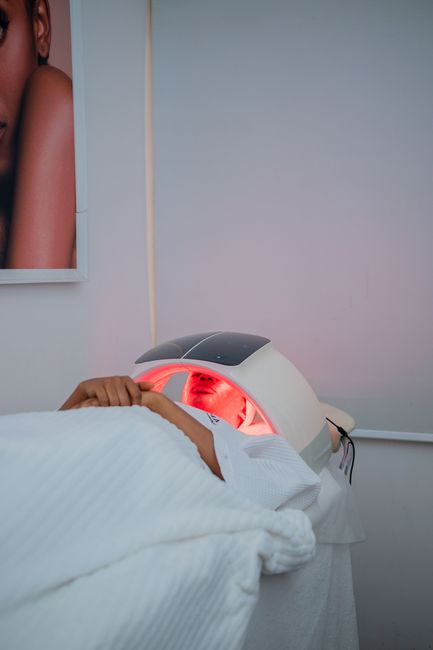
Many dermatology clinics and spas offer professional-grade RLT treatments, often using large panels or beds that cover significant body areas.
These treatments typically provide higher irradiance and precise wavelength control, overseen by trained professionals.
At-Home Devices:
For convenience and long-term use, at-home RLT devices have become increasingly popular:
- Panels and Full-Body Devices: Larger units designed for treating extensive areas of the body, including face, neck, and torso.
- Handheld Devices and Wands: Smaller, portable devices ideal for targeted treatment of specific skin concerns or small areas.
- Caps and Helmets: Specifically designed for scalp coverage to stimulate hair growth.
- Masks: Facial masks that provide comprehensive coverage for anti-aging and skin health benefits.
Key Features to Consider:
When selecting an at-home device, consider factors such as the emitted wavelengths (typically 630-670nm for red light and 810-880nm for near-infrared), irradiance (power output), the treatment area it covers, and its overall cost and ease of use.
VI. How to Use Red Light Therapy at Home
Integrating RLT into your daily or weekly routine is straightforward, but consistency is paramount for achieving the best results.
Follow these simple steps to maximize the benefits of your at-home red light therapy.
- Read Your Device Manual: Always start by thoroughly reading the instructions provided with your specific RLT device to understand its unique features and safety guidelines.
- Prepare Your Skin/Hair: Ensure the treatment area is clean and free of makeup, lotions, or hair products that could block light penetration.
- Eye Protection: While RLT is generally safe for eyes, many devices recommend wearing protective eyewear during facial treatments, especially if the device uses intense light or targets the face directly.
- Position Your Device: Place the device according to the manufacturer’s recommendations, usually 6-12 inches away from the skin or scalp for optimal light absorption.
- Set Session Duration: Begin with shorter sessions (e.g., 5-10 minutes) and gradually increase to the recommended duration (10-20 minutes for skin, 15-25 minutes for hair) as your skin and body adjust.
- Maintain Consistency: Adhere to a regular treatment schedule, typically 3-5 times per week, without skipping sessions. Consistency is the most crucial factor for long-term success.
- Combine with Routines: RLT can complement your existing skincare or haircare routines. Apply serums or hair growth treatments after your RLT session for enhanced absorption and efficacy.
VII. Potential Side Effects and Safety Considerations
Red Light Therapy is generally considered safe, with a low incidence of side effects, making it a well-tolerated treatment for most individuals.
However, it is important to be aware of minor potential reactions and when to consult a healthcare professional.
Generally Considered Safe:
The non-invasive nature of RLT contributes to its excellent safety profile, with most users experiencing no adverse reactions.
Unlike UV light, RLT does not damage skin cells or increase the risk of skin cancer, and it does not produce heat that can cause burns.
Mild Temporary Side Effects:
Some individuals may experience mild, temporary side effects, such as a slight redness or warmth in the treated area immediately after a session.
These reactions are usually transient and resolve quickly as the skin adjusts to the light exposure.
Eye Protection:
Although red and near-infrared light are not harmful to the eyes in typical usage, it is advisable to use the provided eye protection or close your eyes during facial treatments, especially when using higher-powered devices.
This precaution helps to minimize any potential discomfort from the brightness of the light.
Contraindications and When to Consult a Doctor:
While safe for most, individuals who are pregnant, taking photosensitizing medications, or have certain medical conditions (e.g., active skin cancers, epilepsy) should consult their doctor before starting RLT.
Always seek medical advice if you have any underlying health concerns or experience unusual reactions.
VIII. Conclusion
Red Light Therapy stands out as a powerful, non-invasive treatment with significant potential for improving both skin health and hair growth.
By stimulating cellular energy and regeneration, RLT offers a natural path to reducing the visible signs of aging and combating hair loss effectively.
Considering RLT as a natural, non-invasive option can be a rewarding step towards achieving your aesthetic and wellness goals. Remember that consistency and patience are key to unlocking the full transformative benefits of this innovative therapy.
With realistic expectations and dedicated use, red light therapy can be a valuable addition to your self-care regimen, helping you achieve a more radiant complexion and fuller hair.