Struggling with the visible signs of aging like wrinkles and fine lines, or experiencing frustrating hair loss? Many seek effective, non-invasive treatments to restore a youthful appearance and promote hair vitality. Red Light Therapy (RLT) presents a promising solution, utilizing specific wavelengths of light to stimulate cellular repair, boost collagen production, and energize dormant hair follicles, ultimately leading to rejuvenated skin and enhanced hair growth.
1. Introduction to Red Light Therapy
What is Red Light Therapy (RLT)?
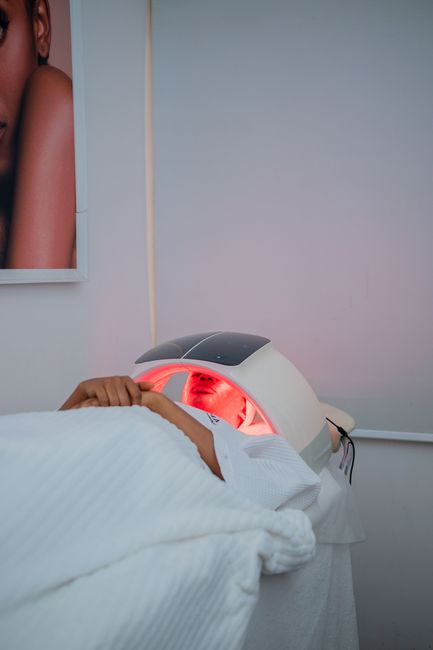
Red Light Therapy, also known as photobiomodulation (PBM), involves exposing the body to low-level red and near-infrared light. This non-invasive technique aims to deliver therapeutic benefits by stimulating cellular function and promoting healing.
It’s distinct from other light therapies like laser treatments or intense pulsed light (IPL) which use higher power and specific wavelengths for ablation or targeted destruction. RLT works by gently encouraging natural biological processes within the cells.
Brief history and scientific background
The concept of using light for therapeutic purposes dates back centuries, but modern RLT gained traction from NASA’s research in the 1990s. Scientists discovered that red and near-infrared light could accelerate plant growth and aid in wound healing for astronauts in space.
This led to extensive research into its applications for human health. The scientific community has since explored how specific light wavelengths interact with biological systems at a cellular level.
2. The Science Behind Red Light Therapy
Understanding wavelengths and their penetration depth
Red Light Therapy primarily uses wavelengths between 630-700 nanometers (nm) for red light and 800-880 nm for near-infrared (NIR) light. These specific wavelengths are crucial because they penetrate different depths of tissue.
Red light primarily affects the skin surface, making it ideal for skin rejuvenation, while NIR light penetrates deeper into tissues, reaching muscles, bones, and even the brain, offering broader therapeutic effects.
Cellular mechanisms: Mitochondria, ATP production, and cellular repair
The core mechanism of RLT involves the mitochondria, often called the “powerhouses” of our cells. When red and near-infrared light hits cells, it stimulates cytochrome c oxidase within the mitochondria.
This stimulation enhances the production of adenosine triphosphate (ATP), which is the primary energy currency of the cell. Increased ATP then fuels various cellular repair and regeneration processes throughout the body.
Impact on blood circulation and oxygen delivery
RLT also plays a significant role in improving blood circulation. Enhanced blood flow ensures that more oxygen and vital nutrients reach cells and tissues.
Better oxygen delivery is fundamental for cellular metabolism and removing waste products, which in turn supports healing and healthy tissue function across the body, from skin to hair follicles.
3. Red Light Therapy for Skin Aging and Rejuvenation
Red Light Therapy has garnered considerable attention for its ability to combat the visible signs of aging and improve overall skin health. It offers a non-invasive approach to achieve a more youthful and radiant complexion.
Combating Wrinkles and Fine Lines
Stimulating collagen and elastin production
One of the primary benefits of RLT for skin aging is its capacity to stimulate the production of collagen and elastin. These proteins are essential for maintaining skin’s structure, firmness, and elasticity.
According to a review of laboratory and clinical studies by Avci et al. (2013), red light therapy stimulates fibroblast activity, leading to increased collagen synthesis. This process helps to plump the skin and reduce the appearance of fine lines and wrinkles.
Improving skin elasticity and firmness
By boosting collagen and elastin, RLT significantly improves the skin’s overall elasticity and firmness. This leads to a smoother, more resilient skin texture.
A controlled study (Couturaud et al., 2023) demonstrated that participants using red light devices twice weekly for three months showed a significant decrease in wrinkle depth and improved skin smoothness. These improvements are gradual but cumulative with consistent use.
Enhancing Skin Tone and Texture
Reducing hyperpigmentation and redness
Red Light Therapy can also help to even out skin tone by reducing issues like hyperpigmentation, sunspots, and redness. Its anti-inflammatory properties contribute to a calmer, more uniform complexion.
This leads to a more balanced and healthy-looking skin appearance, diminishing the visible signs of sun damage and irritation.
Minimizing pore size
Through its rejuvenating effects on skin cells, RLT can also contribute to the appearance of minimized pore size. Healthier skin cells and improved elasticity can make pores appear less prominent.
This results in a smoother and more refined skin texture, enhancing the overall aesthetic appeal of the complexion.
Addressing Other Skin Concerns
Anti-inflammatory effects for conditions like acne and rosacea
The anti-inflammatory properties of red light therapy make it beneficial for managing conditions such as acne and rosacea. It helps to calm irritated skin and reduce inflammation.
This can lead to fewer breakouts, reduced redness, and a more comfortable skin experience for individuals suffering from chronic skin conditions.
Accelerated wound healing
RLT has been shown to accelerate the body’s natural wound healing process. It promotes tissue regeneration and reduces inflammation around injuries.
This makes it a valuable tool for speeding up recovery from minor cuts, burns, and other skin abrasions, improving overall skin integrity.
4. Red Light Therapy for Hair Growth and Scalp Health
Beyond skin rejuvenation, Red Light Therapy offers significant potential for addressing hair loss and promoting healthier hair growth. It works by targeting the scalp and hair follicles at a cellular level.
Stimulating Hair Follicles
How RLT energizes dormant follicles
Red Light Therapy stimulates the mitochondria within hair follicle cells, increasing cellular energy production. This surge of energy can awaken dormant hair follicles and encourage them to enter the active growth phase.
By providing this cellular boost, RLT helps to revitalize follicles that may have become inactive or miniaturized due to various factors.
Increasing blood flow to the scalp
Improved blood circulation to the scalp is another key benefit of RLT for hair growth. Enhanced blood flow delivers more oxygen and nutrients directly to the hair follicles.
This vital supply of nutrients nourishes the follicles, creating a healthier environment for robust hair growth and reducing hair shedding.
Extending the Hair Growth Cycle
Promoting the anagen (growth) phase
Hair growth occurs in cycles, with the anagen phase being the active growth period. Red light therapy can help to prolong this crucial anagen phase.
By extending the time hair spends in its growth cycle, RLT encourages hair to grow longer and thicker before entering the resting phase.
Reducing hair shedding
By strengthening hair follicles and extending the growth cycle, RLT can also contribute to a reduction in excessive hair shedding. Healthier follicles are more anchored and less prone to premature loss.
This leads to a noticeable increase in overall hair density and a fuller head of hair over time.
Addressing Hair Loss Conditions
Potential benefits for androgenetic alopecia (pattern baldness)
Red Light Therapy shows promise in treating androgenetic alopecia, commonly known as pattern baldness, in both men and women. Studies suggest it can stimulate hair regrowth in affected areas.
A study published in Lasers in Surgery and Medicine (2014) found that RLT significantly increased hair density and thickness in patients with androgenetic alopecia, demonstrating its therapeutic potential.
Improving hair density and thickness
Consistent use of RLT can lead to noticeable improvements in overall hair density and thickness. It works by stimulating individual strands to grow stronger and by encouraging new growth from previously dormant follicles.
This results in a fuller, more voluminous head of hair, enhancing confidence and appearance.
5. What to Consider Before Trying Red Light Therapy
Before incorporating Red Light Therapy into your routine, it’s essential to understand various factors to maximize benefits and ensure safety. This actionable advice will guide you through key considerations.
Understanding different device types (panels, masks, caps, handhelds)
Red light therapy devices come in various forms, each suited for different applications:
- Panels: Ideal for larger body areas, offering broad coverage for skin and scalp.
- Masks: Designed specifically for facial skin rejuvenation.
- Caps/Helmets: Targeted for scalp treatment to stimulate hair growth.
- Handhelds: Portable and versatile for spot treatment on specific areas of concern.
Choose a device that aligns with your specific goals and areas you wish to treat, ensuring it delivers appropriate wavelengths and intensity.
Importance of consistent use for visible results
Consistency is paramount when using Red Light Therapy. Unlike some treatments that offer immediate results, RLT works by stimulating natural cellular processes that take time.
Most studies and experts recommend regular sessions, often 3-5 times per week, over several weeks or months to see noticeable improvements in skin tone, wrinkle reduction, or hair growth. Patience and adherence to a protocol are key.
Safety considerations and potential side effects
Red Light Therapy is generally considered safe for most individuals, with minimal reported side effects. However, it’s important to use devices according to manufacturer instructions.
Potential, though rare, side effects can include temporary eye strain if proper eye protection isn’t used, or mild skin irritation. Always ensure the device is FDA-cleared if purchasing for home use, indicating it meets safety standards.
Consulting with a healthcare professional
While RLT is non-invasive, it’s always advisable to consult with a healthcare professional, dermatologist, or trichologist before starting any new therapy. This is especially important if you have underlying health conditions, are pregnant, or are taking medications that might make you sensitive to light.
A professional can help determine if RLT is appropriate for your specific needs and can guide you on the most effective treatment protocols for your skin or hair concerns.
Looking for a Tested Solution for Your Health Goals?
6. Conclusion
Red Light Therapy stands out as a promising, non-invasive treatment for enhancing both skin health and hair growth. By leveraging specific light wavelengths, it effectively stimulates cellular energy, boosts collagen and elastin production, and revitalizes hair follicles.
From significantly reducing wrinkles and improving skin elasticity to fostering robust hair growth and combating hair loss, RLT offers a holistic approach to anti-aging and wellness. As research continues to expand, its role in personalized health and aesthetic treatments is poised to grow, offering a natural path to rejuvenation.