Are you experiencing challenges with memory, focus, or overall mental clarity? Many individuals seek natural ways to support their brain health as they age or face daily stressors that impact cognitive performance. Lion’s Mane mushroom (Hericium erinaceus) offers a promising natural solution, traditionally revered and increasingly studied for its unique ability to potentially enhance cognitive functions and protect brain health. This guide will explore the science-backed benefits of Lion’s Mane, helping you understand how this remarkable fungus can support your mind.
I. Introduction to Lion’s Mane Mushroom
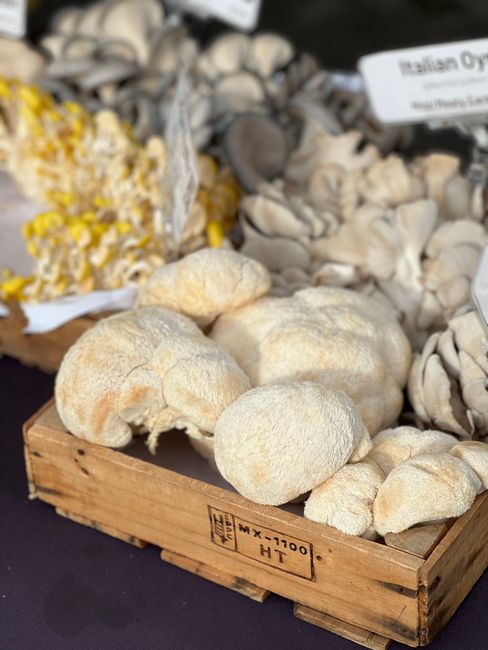
Lion’s Mane, scientifically known as Hericium erinaceus, is a unique medicinal mushroom recognizable by its long, shaggy spines that resemble a lion’s mane. It has been a staple in traditional Eastern medicine for centuries, prized for its culinary uses and purported health benefits.
Its growing popularity in modern wellness is largely due to emerging scientific research highlighting its potential neuroprotective and cognitive-enhancing properties. This powerful fungi is now widely available in various supplement forms.
II. Understanding Cognitive Function
Cognitive function encompasses a wide range of mental abilities, including memory, attention, problem-solving, and executive functions. These abilities are crucial for daily tasks, learning new information, and maintaining overall independence.
Maintaining strong cognitive health is paramount for a high quality of life, allowing individuals to stay mentally sharp and engaged as they age. Protecting and enhancing these functions can have profound positive impacts on well-being.
III. Key Cognitive Benefits of Lion’s Mane Mushroom
Lion’s Mane mushroom is gaining recognition for its potential to support several aspects of cognitive health. Research suggests it may offer benefits ranging from memory enhancement to neuroprotection.
A. Enhancing Memory and Recall
Lion’s Mane has been investigated for its potential to boost memory and recall abilities. Some studies suggest it can improve aspects of cognitive performance.
According to a study published in Phytotherapy Research (2009), 30 adults aged 50-80 with mild cognitive impairment who consumed 1,000 mg of Lion’s Mane powder three times daily for 16 weeks showed significant improvement in cognitive function tests compared to a placebo group. However, these improvements regressed after supplementation ceased, suggesting the need for consistent intake.
B. Improving Focus and Concentration
Beyond memory, Lion’s Mane may also aid in enhancing focus and mental clarity. Users often report a greater sense of alertness and sustained attention.
While direct human studies on focus are less extensive, the overall support for neural pathways implies a potential benefit for concentration. Its impact on neurogenesis could contribute to clearer thinking.
C. Neuroprotection and Brain Health
One of the most significant benefits of Lion’s Mane is its role in neuroprotection. It helps shield brain cells from damage and supports the overall health of the nervous system.
This protective quality is crucial for potentially mitigating age-related cognitive decline and supporting long-term brain vitality. Lion’s Mane provides a holistic approach to brain well-being.
D. Supporting Mood and Reducing Mild Cognitive Impairment
The connection between cognitive function and mood is well-established; improvements in one can positively impact the other. Lion’s Mane has shown promise in supporting both.
A randomized, double-blind, placebo-controlled study involving 30 people with mild cognitive impairment showed that Lion’s Mane treatment for 16 weeks led to increased scores on the Revised Hasegawa Dementia Scale (HDS-R) compared to the placebo, indicating an improvement in cognitive function (Mori et al., 2009). Another study in Biomedical Research (2010) found that menopausal women consuming Lion’s Mane cookies for four weeks reported lower anxiety and irritation scores, highlighting its potential mood-supportive effects.
IV. How Lion’s Mane Works: Mechanisms of Action
The impressive cognitive benefits of Lion’s Mane are attributed to its unique bioactive compounds and their effects on the brain. Understanding these mechanisms reveals the mushroom’s profound impact.
A. Nerve Growth Factor (NGF) Stimulation
One of the primary ways Lion’s Mane supports brain health is by stimulating Nerve Growth Factor (NGF) production. NGF is a crucial protein that promotes the growth, maintenance, and survival of nerve cells, including neurons in the brain.
Compounds unique to Lion’s Mane, specifically hericenones and erinacines, are believed to cross the blood-brain barrier and directly stimulate NGF synthesis. This stimulation can lead to enhanced neuronal plasticity and improved overall brain function.
B. Anti-inflammatory and Antioxidant Properties
Chronic inflammation and oxidative stress are known contributors to cognitive decline and neurodegenerative diseases. Lion’s Mane possesses powerful anti-inflammatory and antioxidant properties.
By reducing oxidative stress and inflammation within the brain, Lion’s Mane helps create a healthier environment for neuronal function. This protective action can safeguard brain cells from damage and support their optimal performance.
C. Other Bioactive Compounds
Beyond hericenones and erinacines, Lion’s Mane contains a rich array of other bioactive compounds. These include polysaccharides, beta-glucans, and other phytochemicals.
These compounds work synergistically to provide additional health benefits, contributing to the mushroom’s overall therapeutic profile. The complex interplay of these components underscores its potent effects.
V. Scientific Evidence and Research
While traditional use of Lion’s Mane is extensive, modern science is increasingly investigating its efficacy. Research provides a clearer picture of its potential benefits.
A. Human Clinical Trials
Several human clinical trials have explored the cognitive effects of Lion’s Mane, particularly in areas of memory and mild cognitive impairment (MCI). These studies offer direct insights into its potential for human brain health.
- A notable randomized, double-blind, placebo-controlled study on 30 Japanese adults aged 50-80 with MCI demonstrated that 16 weeks of Lion’s Mane supplementation significantly improved cognitive performance (Mori et al., 2009).
- Another small trial involving 31 healthy adults over 50 showed some improvements in cognitive function on specific tests after 12 weeks, though results were mixed across different assessments.
- It’s important to note that larger, longer-duration, and well-controlled clinical trials are still needed to fully validate the long-term efficacy and safety of Lion’s Mane for cognitive enhancement.
B. Animal and In Vitro Studies
Prior to human trials, extensive research has been conducted in laboratory (in vitro) and animal models. These studies provide foundational evidence for the mechanisms of action.
In vitro studies have shown that erinacines can boost NGF synthesis by up to 200%, aiding neuron growth and repair. Animal studies, particularly in rodents, have indicated improved spatial memory and learning ability following Lion’s Mane extract administration.
C. Limitations and Future Research
Despite promising results, current human research on Lion’s Mane has limitations, including small sample sizes and relatively short study durations. More robust, large-scale clinical trials are necessary.
Future research should focus on standardized extracts, longer intervention periods, and diverse populations to definitively establish the full scope of Lion’s Mane’s cognitive benefits and optimal dosages. This will provide clearer guidelines for its use.
VI. How to Incorporate Lion’s Mane into Your Routine
If you’re considering adding Lion’s Mane to your wellness regimen, understanding its forms and general usage guidelines is helpful. This can help you make informed choices.
A. Forms of Lion’s Mane
Lion’s Mane is available in several forms to suit different preferences. These include powders, capsules, tinctures, and even fresh or dried mushrooms for culinary use.
- Powders: Can be mixed into smoothies, coffee, or food.
- Capsules: Offer a convenient, pre-measured dosage.
- Tinctures: Liquid extracts that can be taken sublingually or added to drinks.
- Fresh/Dried Mushroom: Can be cooked and eaten, offering a unique seafood-like flavor.
B. General Dosage Considerations
General dosage recommendations can vary widely based on the form and concentration of the supplement. Always refer to the product’s label for specific instructions.
Typical dosages in studies range from 1,000 mg to 3,000 mg of extract or powder daily. It is always best to start with a lower dose and gradually increase to assess your tolerance and desired effects.
C. Quality and Sourcing Tips
When choosing a Lion’s Mane supplement, quality and sourcing are paramount. Look for reputable brands that prioritize purity and potency.
Consider products that are organic, non-GMO, and third-party tested for contaminants and active compounds. Ensure the product specifies whether it contains both fruiting body and mycelium, as both contain beneficial compounds.
VII. Potential Side Effects and Precautions
Lion’s Mane mushroom is generally considered safe for most individuals, with a low incidence of adverse effects. However, it’s important to be aware of potential precautions.
Mild digestive issues such as stomach discomfort or diarrhea have been reported in some individuals, particularly at higher doses. Allergic reactions, though rare, are also possible.
Individuals on medications, especially blood thinners, should exercise caution, as Lion’s Mane might have mild anticoagulant properties. Always consult a healthcare professional before starting any new supplement, particularly if you have underlying health conditions or are taking other medications, to ensure it is appropriate for you.
Looking for a Tested Solution for Your Health Goals?
VIII. Conclusion
Lion’s Mane mushroom stands out as a promising natural nootropic, offering a range of potential cognitive benefits from enhancing memory and focus to providing neuroprotection. Its ability to stimulate Nerve Growth Factor and its anti-inflammatory properties underscore its significant role in supporting brain health.
While more extensive human research is ongoing, existing studies and traditional use paint a compelling picture of its potential. Incorporating Lion’s Mane into your routine could be a valuable step towards bolstering your cognitive function and overall well-being.