Are you struggling with the visible signs of aging, like fine lines and thinning hair? Many individuals face these common concerns, leading to decreased confidence and a desire for effective solutions. Red Light Therapy (RLT) offers a non-invasive, scientifically-backed approach that utilizes specific wavelengths of light to revitalize skin and stimulate hair follicles at a cellular level, providing a promising solution for a more youthful appearance and healthier hair.
I. Introduction to Red Light Therapy (RLT)
What is Red Light Therapy?
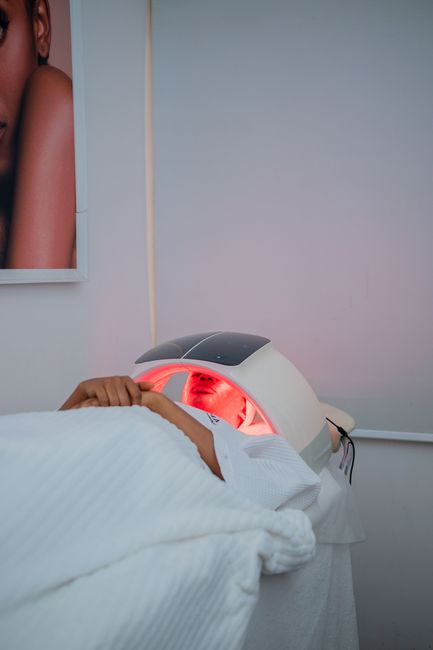
Red Light Therapy (RLT), also known as photobiomodulation (PBM), is a therapeutic technique that uses low-level red and near-infrared (NIR) light wavelengths to penetrate the skin. This light interacts with cells to stimulate various biological processes without heat or discomfort. Unlike harmful UV rays, RLT focuses on beneficial wavelengths that promote cellular health and regeneration.
Brief History and Evolution of RLT
Originally developed by NASA for plant growth experiments in space, RLT’s potential for human health quickly became apparent. Scientists observed its ability to promote wound healing and tissue regeneration. Over decades, research has expanded, leading to its widespread use in dermatology, pain management, and aesthetic treatments.
Understanding the Spectrum: Red vs. Near-Infrared Light
RLT typically uses wavelengths ranging from 620 to 850 nanometers. Red light (around 620-700 nm) is visible and primarily targets the skin’s surface, making it effective for collagen production and complexion issues. Near-infrared light (around 700-850 nm) is invisible and penetrates deeper into tissues, reaching muscles, bones, and hair follicles for more profound cellular benefits.
Key Benefits Explored in This Guide
This guide delves into the primary applications of RLT for enhancing personal wellness. We will specifically focus on its remarkable ability to rejuvenate aging skin and promote robust hair growth. Understanding these dual benefits can help you make informed decisions about incorporating RLT into your health regimen.
II. How Red Light Therapy Works at a Cellular Level
A. Mitochondrial Stimulation and ATP Production
At the core of RLT’s effectiveness is its interaction with the mitochondria, often called the “powerhouses” of your cells. When red and near-infrared light are absorbed by specific chromophores within these mitochondria, it significantly boosts cellular energy production. This process primarily involves the activation of cytochrome c oxidase (Complex IV), a key enzyme in the electron transport chain, which leads to increased ATP (adenosine triphosphate) synthesis.
According to research highlighted by Mito Red Light, the absorption of photons by cytochrome c oxidase photodissociates inhibitory nitric oxide, restoring electron flow and consequently increasing ATP production by 50–150% in cell culture models within 30–90 minutes. This surge in ATP provides more energy for cellular repair, regeneration, and overall function, allowing your body to heal and perform more efficiently.
B. Enhancing Blood Flow and Circulation
RLT has been shown to improve localized blood circulation significantly. The increased production and release of nitric oxide (NO), stimulated by red and near-infrared light, plays a crucial role in this process. Nitric oxide is a potent vasodilator, meaning it relaxes and widens blood vessels.
This enhanced blood flow ensures that tissues receive a more abundant supply of oxygen, nutrients, and vital growth factors. Simultaneously, improved circulation aids in the efficient removal of metabolic waste products, contributing to healthier and more vibrant tissues, whether in the skin or scalp.
C. Anti-Inflammatory and Antioxidant Effects
Beyond energy production and circulation, RLT also exhibits powerful anti-inflammatory and antioxidant properties. It helps reduce cellular stress by modulating various signaling pathways involved in inflammation. This calming effect is beneficial for conditions characterized by chronic inflammation.
The therapy also supports the body’s natural antioxidant defenses, protecting cells from oxidative damage caused by free radicals. By reducing inflammation and oxidative stress, RLT creates a more optimal environment for cellular repair and regeneration, contributing to both skin health and hair follicle vitality.
III. Red Light Therapy for Skin Rejuvenation and Anti-Aging
A. Boosting Collagen and Elastin Production
One of the most sought-after benefits of RLT for skin is its ability to significantly increase the production of collagen and elastin. These essential proteins are responsible for the skin’s structural integrity, firmness, and elasticity. As we age, their production naturally declines, leading to wrinkles and sagging skin.
A study published in the Journal of Photomedicine and Laser Surgery (2014) observed that participants using RLT for several weeks showed a significant increase in collagen production and improved skin tone. Similarly, a 2013 study in Dermatologic Surgery noted that consistent RLT led to a visible reduction in fine lines and wrinkles, with skin appearing firmer and more youthful, confirming RLT’s role in stimulating fibroblasts to synthesize new collagen and elastin.
B. Enhancing Skin Tone and Texture
RLT’s regenerative effects extend to improving overall skin tone and texture. By stimulating cellular turnover and reducing inflammation, it can help minimize various skin imperfections. This includes the appearance of hyperpigmentation, sun spots, and age spots, leading to a more even complexion.
Regular use of red light therapy promotes a smoother, more radiant complexion by refining skin texture and reducing roughness. The enhanced cellular activity also contributes to a healthier glow, making the skin look revitalized and refreshed.
C. Addressing Specific Skin Concerns
Beyond general anti-aging, RLT shows promise in addressing several specific skin concerns. Its anti-inflammatory properties can be beneficial for reducing the redness and irritation associated with conditions like acne and rosacea. Furthermore, RLT has been studied for its ability to accelerate wound healing.
By promoting cellular regeneration and reducing inflammation, RLT can aid in faster recovery from minor skin injuries and improve the appearance of scars. This makes it a versatile tool for comprehensive skin health management.
IV. Red Light Therapy for Hair Growth and Scalp Health
A. Stimulating Hair Follicles and Prolonging Growth Phase
Red Light Therapy has emerged as a significant aid in combating hair loss by directly impacting hair follicles. It works by stimulating dormant follicles and extending the anagen (active growth) phase of the hair cycle. This encourages existing hairs to grow longer and stronger, and can prompt inactive follicles to re-enter the growth phase.
A randomized controlled trial published in Lasers in Surgery and Medicine (2013) found that Low-Level Laser Therapy (LLLT), a form of RLT, significantly improved hair counts in males with androgenetic alopecia, showing a 39% increase in hair density in the active group. This indicates RLT’s potential to reverse the miniaturization of hair follicles, a hallmark of pattern baldness.
B. Increasing Hair Density and Thickness
Beyond stimulating growth, RLT also contributes to an increase in overall hair density and thickness. Clinical evidence suggests that consistent application can lead to thicker, more robust hair strands. This is particularly valuable for individuals experiencing general hair thinning or a reduction in hair volume.
The enhanced cellular energy and improved circulation created by RLT nourish the hair follicles more effectively. This optimal environment supports the growth of stronger, healthier hair, leading to a fuller appearance over time.
C. Improving Scalp Circulation and Nutrient Delivery
A healthy scalp is fundamental for healthy hair growth, and RLT plays a crucial role in achieving this. By enhancing blood flow to the scalp, RLT ensures that hair follicles receive a consistent and abundant supply of vital oxygen and nutrients. This improved microcirculation is essential for sustaining active hair growth and follicle health.
Adequate nutrient delivery strengthens hair from the root, reducing breakage and promoting overall hair vitality. A well-nourished scalp environment is better equipped to support dense, vibrant hair growth.
D. Addressing Common Hair Loss Conditions
RLT has shown particular promise in addressing common forms of hair loss, especially androgenetic alopecia (male and female pattern baldness). This condition is characterized by progressive hair thinning due to genetic and hormonal factors. RLT’s ability to stimulate follicles and extend the anagen phase directly counteracts the effects of androgenetic alopecia.
It can also be beneficial for other forms of hair thinning, such as stress-induced shedding or postpartum hair loss, by creating a more supportive environment for hair regrowth. It is most effective in early to moderate stages of hair loss where follicles are still viable.
E. The Rise of “Scalp Skinification” with RLT
The concept of “scalp skinification” emphasizes treating the scalp with the same meticulous care as facial skin. RLT aligns perfectly with this trend by offering a targeted treatment for scalp health. Its benefits for circulation, inflammation, and cellular regeneration directly translate to a healthier scalp environment.
By integrating RLT into a scalp care routine, individuals can address issues like dryness, inflammation, and poor circulation, which can impede healthy hair growth. This holistic approach views the scalp as an extension of skin, requiring dedicated attention for optimal hair vitality.
V. Safety Considerations and Potential Side Effects of RLT
General Safety Profile: Is RLT safe?
Red Light Therapy is widely considered a safe and non-invasive treatment with a generally excellent safety profile. Unlike UV light, RLT does not damage DNA or cause sunburn. The wavelengths used are specifically chosen to be therapeutic without causing thermal damage to tissues.
Most individuals experience no adverse effects, making it a popular choice for at-home and clinical use. However, like any treatment, understanding proper usage is key to maximizing benefits and ensuring safety.
Understanding FDA Clearance for RLT Devices
Many red light therapy devices, particularly those for hair growth and certain skin conditions, have received FDA clearance. It’s important to understand what this means: FDA clearance indicates that a device is substantially equivalent to another legally marketed device and is safe for its intended use. It does not necessarily mean the FDA has ‘approved’ the device for efficacy in all its claims, but rather that it meets safety standards for marketing.
FDA-cleared devices undergo rigorous testing to ensure they are safe for public use when operated as directed. Always look for devices that have proper certifications for peace of mind.
Who Should Exercise Caution or Consult a Professional?
While generally safe, certain individuals should exercise caution or consult a healthcare professional before starting RLT. This includes pregnant women, individuals with certain medical conditions (e.g., active cancer, epilepsy), or those taking photosensitizing medications. People with highly photosensitive skin conditions should also seek medical advice.
It’s always best to discuss any underlying health concerns with a doctor to ensure RLT is appropriate for your specific situation. This ensures that the therapy complements your health needs safely.
Proper Usage Guidelines and Device Recommendations
To ensure safe and effective RLT, always follow the manufacturer’s instructions for your specific device. Key guidelines often include:
- Eye Protection: Always use appropriate eye protection (goggles) during facial treatments, as intense light can be irritating to the eyes.
- Treatment Duration: Adhere to recommended treatment times, typically ranging from 10-20 minutes per session, to avoid over-exposure.
- Consistency: Regular, consistent use is more effective than infrequent, long sessions.
For at-home devices, ensure they are from reputable brands with documented safety and efficacy. Start with shorter sessions and gradually increase as your skin adapts, always prioritizing comfort and safety.
VI. At-Home Red Light Therapy vs. Professional Clinic Treatments
A. Differences in Device Power and Wavelength Delivery
A primary distinction between at-home RLT devices and professional clinic treatments lies in their power output and wavelength delivery. Clinic-grade devices typically boast higher irradiance (light intensity) and a more precise control over specific wavelengths and joule output. This allows for deeper penetration and potentially more intensive cellular stimulation.
At-home devices, while convenient, generally have lower power, which means they might require longer or more frequent sessions to achieve comparable results. Understanding these differences is crucial for setting realistic expectations for treatment outcomes.
B. Cost, Convenience, and Accessibility Factors
Cost, convenience, and accessibility are significant factors in choosing between at-home and professional RLT. Professional clinic treatments often involve higher per-session costs but offer expert guidance and more powerful equipment. They require scheduling appointments and travel, which can be less convenient for some.
At-home devices represent a one-time investment, offering unlimited treatments from the comfort of your home. While the initial outlay can be significant, they provide unparalleled convenience and accessibility, making consistent long-term use much easier.
C. Expectations for Results
Given the differences in device power, expectations for results should be tailored to the chosen treatment method. Professional clinic treatments, with their higher intensity, may offer faster or more intensive results for certain conditions. They can be particularly beneficial for kickstarting significant improvements.
At-home devices, while effective, often require greater consistency and patience to see noticeable results. Improvements tend to be more gradual, accumulating over several weeks or months of regular use. Both methods can deliver benefits, but the timeline and intensity of those benefits may vary.
VII. Maximizing Your Red Light Therapy Results
A. Consistency is Key
To truly harness the power of Red Light Therapy, consistency is paramount. Irregular or infrequent sessions will yield minimal results, as the cellular benefits of RLT are cumulative. Establishing a regular treatment routine is essential for long-term success.
Aim for daily or every-other-day sessions, adhering to the manufacturer’s recommended duration for your device. Treat RLT like a daily vitamin or exercise — a consistent commitment that gradually builds toward your desired skin and hair health goals.
B. Complementary Lifestyle Practices
While RLT is powerful, its benefits can be significantly amplified when combined with complementary lifestyle practices. Good nutrition, adequate hydration, and effective stress management all contribute to overall cellular health, which in turn supports the effects of light therapy. A diet rich in antioxidants and essential nutrients provides the building blocks for healthy skin and hair.
Drinking plenty of water maintains skin hydration and cellular function. Reducing stress levels can prevent hair loss and skin issues that are often stress-related. Integrating these practices creates a holistic approach to wellness.
C. Combining RLT with Other Treatments (where appropriate)
RLT can often be safely and effectively combined with other skincare or hair care regimens for synergistic effects. For skin, consider pairing RLT with topical antioxidants, hyaluronic acid, or peptides. For hair, it can complement minoxidil, finasteride, or nutrient-rich scalp serums.
Always consult with a dermatologist or healthcare professional before combining treatments, especially if you have sensitive skin or specific medical conditions. This ensures that the combination is safe and will enhance, rather than hinder, your progress.
Looking for a Tested Solution for Your Health Goals?
👉 See Our Verified Pick & Get Special Discount on BioFit Probiotic
VIII. Conclusion: The Future of Red Light Therapy in Health and Wellness
Red Light Therapy has unequivocally emerged as a significant player in the realms of skin anti-aging and hair growth, offering a non-invasive and scientifically supported path to enhanced wellness. Its ability to stimulate cellular energy, boost collagen, improve circulation, and reduce inflammation provides a robust foundation for its diverse benefits. From smoothing fine lines to promoting thicker hair, RLT empowers individuals to reclaim a more youthful appearance and healthier vitality.
The outlook for RLT is bright, with ongoing research continually uncovering new applications and refining existing protocols. As technology advances, devices are becoming more sophisticated, accessible, and integrated into daily routines. Incorporating RLT into a holistic wellness approach, alongside healthy lifestyle choices, positions it as a cornerstone for future health and beauty regimens. Embrace the power of light for a healthier, more radiant you.