In our increasingly demanding world, stress and anxiety have become prevalent issues, prompting many to seek natural remedies. Ashwagandha, an ancient adaptogenic herb, offers a promising solution to help the body cope with these daily pressures. This guide explores Ashwagandha’s role in stress relief, its mechanisms of action, and provides clear dosage recommendations to optimize its benefits.
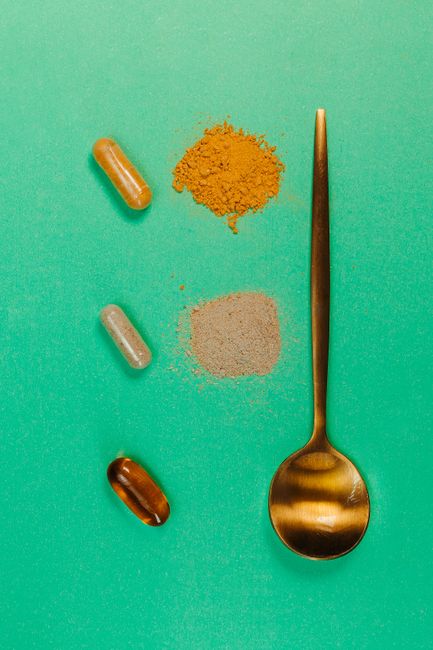
What is Ashwagandha?
Ashwagandha (Withania somnifera) is a revered herb in Ayurvedic medicine, India’s traditional system of healing, used for thousands of years. It is particularly valued for its restorative properties and its ability to promote balance within the body.
Classified as an adaptogen, Ashwagandha helps the body adapt to various stressors, both physical and psychological. This unique characteristic allows it to normalize physiological functions disrupted by stress, supporting overall well-being.
The primary active compounds responsible for Ashwagandha’s therapeutic effects are withanolides. These natural steroids are believed to contribute to its anti-inflammatory, antioxidant, and stress-reducing properties.
Ashwagandha and Stress Relief: How it Works
Chronic stress often leads to elevated levels of the stress hormone cortisol, which can negatively impact various bodily functions. Ashwagandha has been shown to help modulate the body’s stress response system.
Its primary mechanism involves influencing the hypothalamic-pituitary-adrenal (HPA) axis, which regulates hormone production, including cortisol. By modulating this axis, Ashwagandha helps reduce excessive cortisol secretion during stressful periods.
According to a randomized, double-blind, placebo-controlled study published in 2019, daily supplementation with 240 mg of standardized ashwagandha extract significantly reduced morning cortisol levels and improved anxiety ratings in healthy adults. This highlights its potential to regulate stress hormones effectively.
Recommended Ashwagandha Dosages for Stress and Anxiety
Finding the right dosage is crucial for experiencing Ashwagandha’s stress-relieving benefits. While individual needs may vary, research provides general guidelines for effective use.
For significant stress and anxiety relief, studies often point to daily dosages ranging from 250 mg to 600 mg of a standardized extract. Many protocols recommend splitting the daily dose into two, taken in the morning and evening.
Consistency is key; beneficial effects typically emerge after several weeks of continuous supplementation. A 2021 systematic review of seven clinical trials indicated that doses between 240 mg and 1,250 mg per day consistently reduced stress and anxiety, with optimal results often seen at 500-600 mg daily.
When choosing a supplement, consider whether it’s a root powder or a standardized extract (like KSM-66 or Sensoril). Extracts are concentrated forms, ensuring a consistent amount of active withanolides. It is always wise to start with a lower dose and gradually increase it, observing how your body responds.
Other Potential Benefits of Ashwagandha
Beyond stress relief, Ashwagandha offers a spectrum of other potential health advantages, contributing to overall well-being.
- Improved Sleep Quality: Its calming properties can aid in falling asleep faster and experiencing more restful sleep.
- Enhanced Cognitive Function: Some research suggests Ashwagandha may support memory, focus, and overall cognitive performance.
- Physical Performance and Stamina: It has been studied for its potential to improve strength and endurance.
- Immune System Support: Ashwagandha may help modulate immune function, supporting the body’s natural defenses.
Potential Side Effects and Precautions
While generally well-tolerated, Ashwagandha can cause mild side effects in some individuals. These may include stomach upset, diarrhea, or drowsiness, especially at higher doses.
Certain groups should exercise caution or avoid Ashwagandha altogether. Pregnant and breastfeeding women, individuals with autoimmune diseases (e.g., rheumatoid arthritis, lupus, Hashimoto’s thyroiditis), and those on certain medications (like thyroid hormones, sedatives, or immunosuppressants) should consult a healthcare professional before use.
It is always imperative to speak with your doctor or a qualified healthcare provider before starting any new supplement regimen, especially if you have underlying health conditions or are taking other medications.
How to Choose an Ashwagandha Supplement
Selecting a high-quality Ashwagandha supplement is important for safety and efficacy. Not all products are created equal, and some may contain fillers or insufficient active ingredients.
Look for products that specify standardized extracts, ideally stating the percentage of withanolides. This ensures you are getting a consistent and potent dose of the active compounds. Additionally, opt for brands that conduct third-party testing for purity and potency, verifying the absence of contaminants like heavy metals.
Looking for a Tested Solution for Your Health Goals?
👉 See Our Verified Pick & Get Special Discount on BioFit Probiotic
Conclusion
Ashwagandha stands out as a powerful adaptogenic herb, offering significant promise for managing stress and anxiety by modulating the body’s stress response. Adhering to proper dosages, typically 250-600 mg of a standardized extract daily, can unlock its profound benefits for mental and physical well-being.
As with any supplement, understanding its mechanisms, potential benefits, and precautions is crucial. Always consult with a healthcare professional to ensure Ashwagandha is appropriate for your individual health needs and to determine the optimal dosage for your journey toward natural wellness.