Weight loss supplements often promise quick fixes, leaving many individuals confused and frustrated about their effectiveness and safety. Navigating the vast market of these products requires a critical eye to separate genuine solutions from misleading claims. This guide aims to equip you with the knowledge to evaluate weight loss supplements wisely, ensuring you make informed choices for your health and well-being.
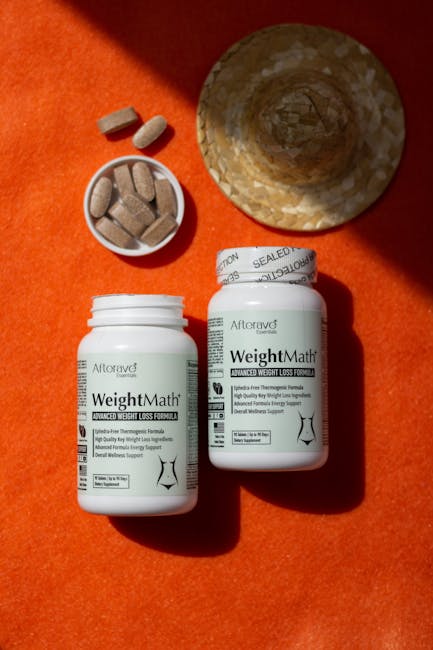
Deciphering Weight Loss Supplement Claims
Common Marketing Language: “Miracle Pills,” “Fat Burners,” and “Metabolism Boosters”
The weight loss supplement industry is rife with captivating, often exaggerated, marketing claims. Terms like “miracle pills,” “fat burners,” and “metabolism boosters” are designed to attract attention and promise rapid, effortless results.
These phrases can create unrealistic expectations, diverting consumers from proven, sustainable weight management strategies.
Separating Hype from Science: Identifying Evidence-Based vs. Anecdotal Claims
It’s crucial to distinguish between scientific evidence and anecdotal testimonials when evaluating supplements. While personal stories can be compelling, they rarely provide sufficient proof of efficacy or safety for a broader population.
Always look for claims backed by peer-reviewed clinical studies and reputable scientific organizations, rather than relying solely on individual experiences.
Setting Realistic Expectations for Weight Loss and Supplementation
No supplement is a magic bullet for weight loss. True weight management involves a holistic approach encompassing diet, exercise, and lifestyle changes.
Supplements, at best, can play a supportive role and should never be seen as a replacement for these fundamental healthy habits.
Understanding Key Ingredients in Weight Loss Formulas
Popular Categories: Thermogenics, Appetite Suppressants, Carb Blockers, and Fat Inhibitors
Weight loss supplements typically fall into several categories based on their purported mechanisms of action. These include thermogenics, which aim to increase calorie burning; appetite suppressants, which reduce hunger; carb blockers, which interfere with carbohydrate absorption; and fat inhibitors, which may reduce fat absorption.
Each category targets a different aspect of weight management, though their efficacy can vary widely.
Scientifically Researched Ingredients: What Does the Evidence Say?
Certain ingredients have undergone more scientific scrutiny than others. For example, Green Tea Extract, particularly its EGCG content, has been studied for its potential role in weight loss.
A randomized, double-blind, placebo-controlled clinical trial published in Clinical Nutrition (2016) found that 12 weeks of high-dose green tea extract treatment led to significant weight loss, reduced BMI, and decreased waist circumference in women with central obesity. However, it’s important to note that other reviews have shown mixed or statistically insignificant results, suggesting efficacy can depend on dosage, individual factors, and study design.
Other commonly studied ingredients include caffeine, known for its metabolism-boosting effects, and various forms of fiber, which can promote satiety.
Always seek out specific studies and understand their limitations before accepting claims about any ingredient’s effectiveness.
Ingredients to Approach with Caution: Proprietary Blends and Unverified Compounds
Be wary of supplements that list “proprietary blends” without disclosing the specific amounts of each ingredient. This lack of transparency makes it impossible to assess efficacy or potential risks.
Furthermore, many supplements contain unverified compounds with little to no scientific backing for their weight loss claims, and some may even pose health risks.
The Importance of Dosage and Quality
Even for ingredients with some scientific support, dosage and product quality are paramount. An insufficient dose may render an ingredient ineffective, while an excessively high dose could lead to adverse effects.
Always prioritize supplements from reputable manufacturers that adhere to strict quality control standards and ideally offer third-party testing.
How Weight Loss Supplements Are Supposed to Work (and Potential Mechanisms)
Exploring Different Modes of Action: Boosting Metabolism, Reducing Absorption, Increasing Satiety
Weight loss supplements are designed to influence the body through various mechanisms. These can include boosting metabolic rate to burn more calories, reducing the absorption of fats or carbohydrates from the digestive tract, or increasing feelings of fullness to decrease overall food intake.
Understanding these different modes of action can help in evaluating whether a particular supplement aligns with your individual weight loss goals.
The Role of Brown Adipose Tissue (BAT) and Other Metabolic Pathways
Some supplements claim to target Brown Adipose Tissue (BAT), also known as brown fat, which is specialized in burning calories to generate heat (thermogenesis). While BAT plays a significant role in energy expenditure, particularly in rodents, its contribution to overall energy expenditure and sustained weight loss in adult humans appears to be relatively small and highly variable.
A systematic review in Frontiers in Endocrinology (2022) found that many interventions targeting BAT activation have shown little effect on sustainable weight loss in humans, despite promising theoretical potential. Current research suggests BAT activation alone is not a viable standalone mechanism for significant weight loss in humans.
The Synergy of Supplements with Diet and Exercise
The effectiveness of any weight loss supplement is often greatly enhanced when combined with a balanced diet and regular exercise. Supplements are not intended to compensate for poor lifestyle choices but rather to support existing healthy habits.
A synergistic approach ensures that you are addressing weight management from multiple angles for the best possible outcomes.
Potential Side Effects, Risks, and Safety Concerns
Common Adverse Reactions: Digestive Issues, Jitters, Sleep Disturbances
Weight loss supplements can carry a range of side effects, from mild to severe. Common mild reactions include digestive issues like nausea, diarrhea, or constipation, as well as jitters, anxiety, and sleep disturbances, often due to stimulant ingredients like caffeine.
It is important to monitor your body’s response and discontinue use if adverse effects occur.
Serious Health Risks and Interactions with Medications
More serious risks can involve significant cardiovascular problems, liver damage, or interactions with prescription medications. For instance, the U.S. Food and Drug Administration (FDA) has issued warnings about weight loss products containing hidden or unlisted ingredients that are found in prescription drugs, posing serious health risks.
These unapproved ingredients can lead to increased blood pressure, heart palpitations, stroke, or liver injury, especially when combined with other medications.
The Importance of Consulting a Healthcare Professional Before Use
Given the potential risks, it is critically important to consult a healthcare professional, such as your doctor or a registered dietitian, before starting any new weight loss supplement. They can assess your individual health status, potential interactions with existing medications, and help determine if a supplement is appropriate and safe for you.
This personalized advice is invaluable for preventing adverse health outcomes.
Regulatory Landscape: FDA Oversight and Supplement Safety
In the United States, dietary supplements, including most weight loss supplements, are regulated differently from drugs. The FDA does not approve dietary supplements before they are marketed; instead, manufacturers are responsible for ensuring the product’s safety and accurate labeling.
This post-market regulation means that unsafe products might remain on shelves until the FDA identifies and takes action against them, highlighting the need for consumer vigilance.
A Critical Approach to Choosing a Weight Loss Supplement
Researching Manufacturers: Transparency, Reputation, and Certifications
When considering a weight loss supplement, thoroughly research the manufacturer. Look for companies with a reputation for transparency, who openly disclose their ingredients, sourcing, and manufacturing processes.
Certifications from independent third-party organizations can also indicate a commitment to quality and safety.
Looking for Third-Party Testing and Quality Assurance
Third-party testing is a crucial indicator of a supplement’s quality and purity. These independent tests verify that the product contains what it claims, in the amounts specified, and is free from harmful contaminants.
Always seek out products that provide readily accessible third-party testing results or certifications from organizations like NSF International or USP.
How to Interpret Customer Reviews and Testimonials Objectively
Customer reviews can offer insights but should be interpreted objectively. Look for recurring themes in reviews, both positive and negative, rather than focusing on extreme outliers.
Be skeptical of reviews that sound overly enthusiastic or promise unrealistic results, as these can sometimes be fabricated or influenced by marketing.
Cost-Benefit Analysis: Is the Investment Worth the Potential Outcome?
Consider the financial investment required for a supplement versus its potential benefits. High-priced supplements do not automatically equate to higher efficacy or safety.
Evaluate whether the cost is justified by credible scientific evidence and a transparent product profile, especially when compared to the proven long-term benefits of lifestyle changes.
Beyond the Pill: Holistic Strategies for Sustainable Weight Management
The Foundation: Balanced Nutrition and Dietary Habits
Sustainable weight management is built upon the foundation of balanced nutrition. Focus on a diet rich in whole foods, including plenty of fruits, vegetables, lean proteins, and whole grains.
Adopting consistent, healthy dietary habits is far more impactful than any short-term supplement use.
The Power of Physical Activity: Exercise for Health and Weight Loss
Regular physical activity is indispensable for both weight loss and overall health. Exercise helps burn calories, build muscle mass (which boosts metabolism), and improves cardiovascular health.
Aim for a combination of cardiovascular workouts and strength training activities tailored to your fitness level and preferences.
Lifestyle Factors: Sleep, Stress Management, and Hydration
Beyond diet and exercise, crucial lifestyle factors significantly influence weight. Adequate sleep helps regulate hormones that control appetite and metabolism, while effective stress management can prevent stress-induced eating.
Staying well-hydrated is also essential, supporting metabolic functions and sometimes helping to manage hunger cues.
When to Seek Professional Guidance: Doctors, Dietitians, and Nutritionists
For personalized and effective weight management strategies, consider seeking professional guidance. Doctors can rule out underlying medical conditions, while registered dietitians and certified nutritionists can provide tailored dietary plans and support.
These professionals offer evidence-based advice that can lead to sustainable results and improve overall well-being.
Conclusion
Key Takeaways for Informed Decision-Decision
Evaluating weight loss supplements requires diligence and a critical perspective. Remember to scrutinize marketing claims, prioritize ingredients backed by scientific research, and be aware of potential risks and side effects.
Always consult with a healthcare professional before incorporating any new supplement into your regimen.
Empowering Consumers in the Quest for Healthy Weight
By empowering yourself with accurate information, you can navigate the complex world of weight loss supplements more confidently. Your health is a priority, and making informed decisions is key to achieving your wellness goals safely and effectively.
Final Thoughts on Long-Term Wellness and Body Positivity
Ultimately, true health and sustainable weight management stem from a holistic approach that embraces balanced nutrition, regular physical activity, and a healthy lifestyle. Focus on long-term wellness and fostering a positive body image, recognizing that supplements are merely a small part of a much larger health journey.