Are you struggling to shed stubborn fat and boost your metabolism without expensive gym memberships or bulky equipment? Many find traditional, long cardio sessions time-consuming and often less effective for rapid fat loss. High-Intensity Interval Training (HIIT) offers a powerful, time-efficient solution, allowing you to torch calories, ignite your metabolism, and achieve significant fat loss right from the comfort of your home.
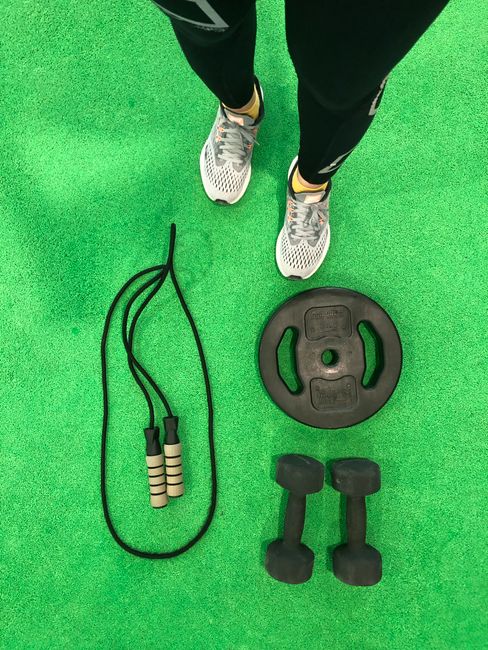
Unlocking Fat Loss with At-Home HIIT
High-Intensity Interval Training, or HIIT, involves short bursts of intense exercise followed by brief periods of active recovery. This dynamic approach significantly elevates your heart rate and challenges your body in ways traditional workouts often don’t.
HIIT is particularly ideal for at-home fat loss because it requires minimal to no equipment, relying heavily on bodyweight exercises. This guide will delve into the science behind HIIT, provide effective exercises, and outline sample workout plans to help you achieve your fat loss goals.
The Science-Backed Benefits of HIIT for Fat Loss
HIIT is a powerhouse for fat loss due not only to its high caloric burn during the workout but also to its lasting physiological effects. Understanding these benefits can motivate and help you optimize your training.
Metabolism Boost & Afterburn Effect (EPOC)
One of the most significant advantages of HIIT is the phenomenon known as Excess Post-exercise Oxygen Consumption (EPOC), often called the “afterburn effect.” This means your body continues to burn calories at an elevated rate for hours after your workout. According to a study published in Scientific Reports (2024), acute interval running (HIIT) resulted in significantly greater EPOC and lipid oxidation compared to isocaloric continuous running, leading to higher total energy expenditure in a shorter time.
Efficient Calorie Expenditure
HIIT allows you to burn a substantial number of calories in a shorter timeframe compared to steady-state cardio. Research by Falcone PH et al. (2015) suggests that HIIT can result in 25-30% more calories burned than other exercise forms. This makes it incredibly time-efficient for those with busy schedules.
Body Composition Improvement
Beyond fat loss, HIIT helps improve your overall body composition by preserving and even building lean muscle mass while simultaneously shedding fat. This combination is crucial for a toned physique and a healthy metabolism.
Cardiovascular Health
Regular HIIT sessions are excellent for enhancing your cardiovascular fitness and endurance. By consistently pushing your heart rate into target zones, you strengthen your heart and improve its efficiency, contributing to overall health.
Key Principles of an Effective At-Home HIIT Workout
To maximize your fat loss results and ensure safety, adhere to these fundamental principles when performing at-home HIIT workouts. These guidelines form the backbone of a successful and sustainable training regimen.
Work-to-Rest Ratios
Optimal work-to-rest ratios are critical for HIIT’s effectiveness. Common ratios include 2:1 (e.g., 40 seconds work, 20 seconds rest) for intermediate to advanced individuals, or 1:1 (e.g., 30 seconds work, 30 seconds rest) for beginners. Experiment to find what allows you to maintain high intensity.
Intensity Matters
During the work intervals, you should be pushing yourself to near-maximal effort. This means feeling breathless and unable to hold a conversation. The high intensity is what triggers the beneficial physiological adaptations, including the afterburn effect.
Consistency is Key
Like any fitness program, consistency is paramount for achieving fat loss. Aim for 3-4 HIIT sessions per week, allowing for rest days in between. Regularity will yield the best and most lasting results.
Proper Form
Always prioritize proper exercise technique over speed or the number of repetitions. Incorrect form can lead to injuries and reduce the effectiveness of your workout. If you’re unsure, watch instructional videos or use a mirror to check your posture.
Essential Bodyweight HIIT Exercises for Home
You don’t need fancy equipment to get an incredibly effective HIIT workout. These bodyweight exercises can be combined in countless ways to challenge your entire body.
- Full Body:
- Burpees: A full-body explosive movement.
- Mountain Climbers: Engages core and cardio.
- Jumping Jacks: Classic cardio and warm-up.
- Squat Jumps: Builds explosive lower body power.
- Upper Body Focused:
- Push-ups (variations): Targets chest, shoulders, triceps.
- Plank Shoulder Taps: Works core stability and shoulders.
- Lower Body Focused:
- Lunges (forward, reverse, lateral): Strengthens legs and glutes.
- High Knees: Excellent for cardio and leg drive.
- Glute Bridges: Activates glutes and hamstrings.
- Core Engagement:
- Crunches: Targets the rectus abdominis.
- Russian Twists: Works obliques.
- Leg Raises: Focuses on lower abs.
Sample At-Home HIIT Workout Plans
Here are structured workout plans to get you started, ranging from beginner-friendly to more advanced challenges. Remember to always listen to your body and modify as needed.
Beginner HIIT Plan (20-25 minutes)
This plan is perfect for those new to HIIT, focusing on foundational movements and adequate rest. Perform each exercise for 30 seconds, followed by 30 seconds of rest. Complete 2-3 rounds with a 60-second rest between rounds.
- Warm-up (5 minutes): Light cardio like marching in place, arm circles, leg swings.
- Workout (30 seconds work, 30 seconds rest):
- Jumping Jacks
- Bodyweight Squats
- Mountain Climbers (slow tempo)
- Incline Push-ups (against a wall or furniture)
- Cool-down (5 minutes): Gentle stretching for major muscle groups.
Intermediate HIIT Plan (30-35 minutes)
For those with some fitness experience, this plan increases the work interval and complexity. Perform each exercise for 40 seconds, followed by 20 seconds of rest. Complete 3-4 rounds with a 90-second rest between rounds.
- Warm-up (5 minutes): Dynamic stretches such as leg swings, torso twists, high knees, butt kicks.
- Workout (40 seconds work, 20 seconds rest):
- Burpees (modified if needed)
- Squat Jumps
- Plank Shoulder Taps
- High Knees
- Alternating Reverse Lunges
- Cool-down (5 minutes): Static stretches, holding each for 20-30 seconds.
Advanced HIIT Challenges
To further increase intensity, you can shorten rest periods (e.g., 45 seconds on, 15 seconds off), add more rounds, or incorporate more complex plyometric movements. Consider using a weighted vest or resistance bands for added challenge.
Structuring Your HIIT Sessions for Success
Every effective workout session, especially HIIT, should be thoughtfully structured to prevent injury and maximize results. This includes specific phases that prepare and recover your body.
The Importance of a Dynamic Warm-up
Always begin your workout with a 5-minute dynamic warm-up. This prepares your muscles and joints for the intense activity ahead, increasing blood flow and reducing the risk of injury. Light cardio and dynamic stretches are perfect.
The Main Workout
During the main workout, focus intently on maintaining high intensity during work periods and good form throughout. Use a timer to accurately follow your work-to-rest intervals, ensuring you get the most out of every minute.
Cool-down and Stretching
Conclude every session with a 5-minute cool-down and static stretching. This helps lower your heart rate gradually, improve flexibility, and aid in muscle recovery. Hold each stretch for at least 20-30 seconds.
Maximizing Your Fat Loss Journey: Beyond the Workout
While HIIT is a powerful tool, holistic health practices significantly amplify your fat loss results. Your lifestyle choices outside of your workout greatly influence your body’s ability to burn fat and recover.
- Nutrition for Fat Loss: Fuel your body with whole, unprocessed foods, focusing on lean protein, healthy fats, and complex carbohydrates. A calorie deficit is crucial for fat loss, but nutrient density is key for sustained energy and health.
- Hydration: Drink plenty of water throughout the day. Staying well-hydrated supports metabolism, aids in nutrient transport, and helps with satiety.
- Adequate Sleep: Prioritize 7-9 hours of quality sleep each night. Sleep is essential for muscle recovery, hormone regulation (including those that affect hunger and fat storage), and overall well-being.
- Stress Management: Chronic stress can elevate cortisol levels, potentially leading to increased fat storage, especially around the belly. Incorporate stress-reducing activities like meditation, yoga, or spending time in nature.
Safety Tips for At-Home HIIT Workouts
To ensure a safe and effective at-home HIIT experience, keep these important tips in mind. Your safety and well-being should always be your top priority.
- Listen to your body: If you feel sharp pain, stop immediately. It’s okay to modify exercises or take extra rest when needed.
- Stay hydrated: Drink water before, during, and after your workout.
- Consult a doctor: If you have any pre-existing health conditions or concerns, consult with a healthcare professional before starting any new exercise regimen.
- Ensure a clear and safe workout space: Make sure you have enough room to move freely without bumping into furniture or objects. A non-slip surface is also recommended.
Conclusion: Your Path to a Fitter You at Home
Embracing an at-home HIIT workout plan is a fantastic, accessible way to achieve significant fat loss, boost your metabolism, and improve your overall fitness. By combining intense effort with brief recovery periods, you can unlock your body’s full potential for burning fat and building endurance. Start your journey today, stay consistent, and enjoy the transformative power of HIIT from the convenience of your own home.