Are you experiencing “brain fog” or a decline in memory, feeling frustrated by a lack of mental sharpness? The ancient medicinal mushroom, Lion’s Mane (Hericium erinaceus), offers a promising natural solution for enhancing cognitive function.
This comprehensive guide delves into the scientific evidence behind its ability to support memory, focus, and overall brain health.
I. Introduction
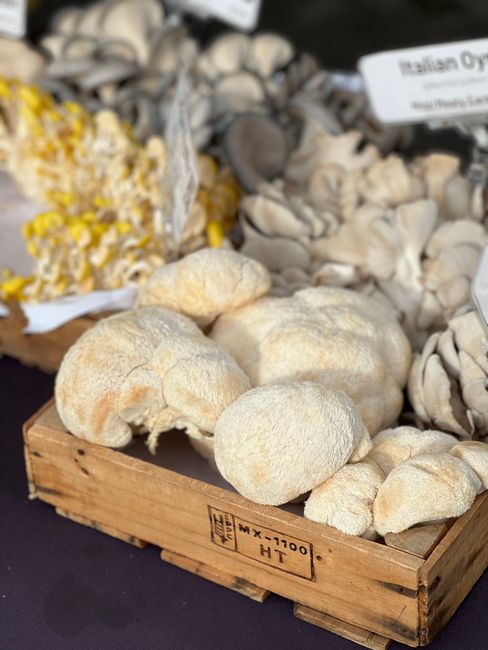
Lion’s Mane mushroom, scientifically known as Hericium erinaceus, is a unique edible and medicinal fungus recognized by its long, shaggy spines that resemble a lion’s mane. For centuries, it has been a staple in traditional East Asian medicine, particularly for its perceived benefits on digestion and nerve health.
In recent years, there has been a significant surge of interest in Lion’s Mane for its potential to boost brain health and enhance cognitive function. This guide will explore the fascinating science underpinning these claims, offering a deep dive into how this mushroom supports our most vital organ.
II. Understanding Lion’s Mane: Key Bioactive Compounds
The remarkable cognitive benefits of Lion’s Mane are attributed to its distinct bioactive compounds. These molecules work in synergy to promote neural health and function.
Hericenones
Found primarily in the fruiting body of the Lion’s Mane mushroom, hericenones are a group of compounds associated with stimulating the production of Nerve Growth Factor (NGF). NGF is crucial for the growth, maintenance, and survival of neurons in the brain.
Erinacines
Conversely, erinacines are predominantly located in the mycelium, the root-like structure of the mushroom. These potent compounds are particularly noteworthy because they are small enough to cross the blood-brain barrier, directly influencing brain cells.
Both hericenones and erinacines distinguish Lion’s Mane from many other medicinal mushrooms, making it a unique contender in the realm of natural cognitive enhancers.
III. The Role of Nerve Growth Factor (NGF) in Brain Health
Nerve Growth Factor (NGF) is a vital protein that plays a crucial role in the brain. It is essential for the growth, differentiation, and survival of neurons, ensuring our brain cells remain healthy and functional.
Lion’s Mane mushroom compounds, specifically hericenones and erinacines, are known to stimulate the brain’s own production of NGF. This increased NGF has profound implications for brain plasticity, enabling neurons to adapt and repair, and for overall cognitive function.
IV. Specific Cognitive Benefits of Lion’s Mane Mushroom
Research into Lion’s Mane mushroom highlights several key areas where it may support and enhance cognitive abilities. These benefits stem from its ability to stimulate NGF and provide neuroprotective effects.
A. Memory Enhancement and Recall
Lion’s Mane has garnered attention for its potential to improve both short-term and long-term memory. It may also enhance spatial memory and recognition.
A notable double-blind, randomized, placebo-controlled study published in Phytotherapy Research (Mori et al., 2009) involved 30 Japanese adults aged 50-80 with mild cognitive impairment. Participants who consumed 3 grams of Lion’s Mane daily for 16 weeks showed significantly improved scores on cognitive function scales compared to the placebo group. This suggests a potential for neurogenesis—the creation of new neurons—and enhanced synaptic connections.
B. Improved Focus, Concentration, and Mental Clarity
Many individuals seek Lion’s Mane to alleviate “brain fog” and sharpen their mental acuity. The mushroom may help improve attention span, enabling better focus on tasks.
By enhancing neuronal communication and reducing inflammation, Lion’s Mane supports improved processing speed and executive functions, contributing to greater mental clarity throughout the day.
C. Neuroprotection and Support Against Cognitive Decline
Beyond acute cognitive improvements, Lion’s Mane possesses antioxidant and anti-inflammatory properties crucial for protecting brain cells from damage. This neuroprotective action is vital for long-term brain health.
A 2020 study on individuals with mild Alzheimer’s disease revealed that daily supplementation with 1 gram of Lion’s Mane mushroom for 49 weeks significantly improved cognitive test scores compared to a placebo group. While research is ongoing, these findings suggest its role in supporting brain health against age-related cognitive decline and potentially mitigating symptoms of mild cognitive impairment.
D. Mood Regulation and Stress Reduction
Lion’s Mane is also recognized for its adaptogenic qualities, meaning it helps the body adapt to stress. It may contribute to reducing symptoms of anxiety and depression, which in turn can indirectly support cognitive function by creating a more optimal mental state for processing information.
V. Beyond Cognition: Other Potential Health Benefits
While celebrated for its cognitive impact, Lion’s Mane mushroom offers a spectrum of other potential health benefits, making it a truly versatile natural compound.
- Gut Health Support: Its anti-inflammatory properties may benefit the digestive tract, potentially supporting conditions like gastritis and inflammatory bowel disease.
- Immune System Modulation: Lion’s Mane contains polysaccharides that can help balance and strengthen the immune system, enhancing the body’s natural defenses.
- Nervous System Repair: Research suggests its potential for nerve regeneration following injury, extending its benefits beyond just brain health to the broader nervous system.
VI. How to Incorporate Lion’s Mane (General Information)
Lion’s Mane is available in various forms, making it easy to integrate into your daily routine. Common options include powders, capsules, tinctures, and even fresh or dried culinary mushrooms.
For potential benefits, consistency over time is generally recommended, with noticeable effects often appearing after several weeks or months of regular use. Always follow the specific dosage instructions on your chosen product.
Disclaimer: This information is for educational purposes only and does not constitute medical advice. Consult a healthcare professional before starting any new supplement regimen, especially if you have underlying health conditions or are taking medications.
VII. Safety, Potential Side Effects, and Precautions
Lion’s Mane mushroom is generally considered safe for most people, with few reported side effects. However, like any supplement, some individuals may experience mild reactions.
Possible mild side effects can include digestive upset such as nausea or stomach discomfort, particularly when first introducing it. It’s always advisable to start with a lower dose to assess tolerance.
Individuals on blood-thinning medications should exercise caution, as Lion’s Mane may have mild anti-platelet effects—always consult a doctor before use. Pregnant or nursing individuals and those with specific health conditions should also seek medical advice before taking Lion’s Mane.
VIII. Conclusion
Lion’s Mane mushroom represents a fascinating natural compound with significant potential for enhancing cognitive function, improving memory, and providing vital neuroprotection. Its unique bioactive compounds, hericenones and erinacines, play a crucial role in stimulating Nerve Growth Factor, which is fundamental for brain health.
As research continues to unfold, the importance of quality and consistent intake for maximizing potential benefits becomes clear. Exploring natural ways to support brain health is a valuable endeavor, and Lion’s Mane stands out as a promising ally—always remember to do so with professional medical guidance.